






Kīngi Tuheitia: Proceedings confirmed for tomorrow's funeral, Te Whakawahinga
As Kīngi Tuheitia Pootatau Te Wherowhero VII is laid to rest tomorrow, his funeral service promises to be a historic, poignant event.
A ceremony to anoint his successor will also be held in the hours before Kīngi Tuheitia is laid to rest.
Here is what to expect from the occasion.
==================================
Te Whakawahinga – the raising up ceremony for the new Māori monarch
The anointment of a Māori monarch is steeped in ritual and ceremony. Known as Te Whakawahinga, or ‘the raising up’, this ceremony will take place ahead of the final funeral service for Kīngi Tuheitia.
The Kiingitanga has revealed the ceremony will start tomorrow at 10am where the Tekau-mā-rua (King’s advisory council) will “usher the new Maaori monarch to the throne”.
Karakia is heavily involved and includes traditional Māori takutaku and Christian prayers. Parts of the ceremony are shielded from those present due to the sacredness of the proceedings.
The Māori monarch does not wear a crown. Instead, the placing of a Bible over their head by Te Tumuaki o Te Kiingitanga [the Kingmaker] is seen as the moment of 'crowning'.
Hone Taamihana holds the role of Te Tumuaki and he will be using the same Bible that his ancestor, Wiremu Taamihana, used to raise up the first Māori King, Pootatau Te Wherowhero, in 1858.
The Anglican Archbishop Don Tamihere will then bless the new monarch with sacred oils.
From marae to maunga – final funeral service and tangi procession
=======================================================
The final funeral service for Kīngi Tuheitia will take place immediately after Te Whakawahinga.
He will then be taken from the marae to the banks of the Waikato River, guided by a guard of honour made up of haukāinga Ngāti Māhanga and the New Zealand Defence Force.
The King will be placed on the waka Tātahi Ora, and three other waka – Waikura, Tākitumu and Te Tīmatanga - will accompany him in a river procession to Taupiri Maunga.
The journey on the river from the marae to Taupiri is around 10km and is expected to take up to two hours.
Burial
=====
Once the fleet of waka arrive at Taupiri Maunga, the King will be handed over into the care of members of the Taniwharau and Tūrangawaewae Rugby League Clubs, and rope handlers from the Raungaiti Rugby Club who will carry him to his final resting place at the summit of the mountain.
Return to Tūrangawaewae Marae
===========================
Following the burial, the Tekau-mā-rua will lead the Whare Ariki (Members of the Royal House) back on to Tūrangawaewae Marae. A hākari will then take place to conclude the tangihanga of Kīngi Tuheitia Pootatau Te Wherowhero VII.
==================================================
TVNZ1, 1News.co.nz and TVNZ+ will have live coverage of proceedings from 9.30am tomorrow.
==================================================
Note: The use of double vowels in this article reflects the dialect used by the Kiingitanga/Kīngitanga which uses double vowels (aa, ee, ii, oo, uu) in place of macronised vowels (ā, ē, ī, ō, ū).
Glossary
========
Te Whakawahinga – ceremony to “raise up” the new Māori monarch
takutaku – reciting of traditional Māori karakia, incantations
Tekau-mā-rua – King’s advisory council
Te Tumuaki o Te Kiingitanga – known as the Kingmaker role, the person who holds the hereditary title is tasked with placing the Bible over the head of the new monarch during Te Whakawahinga
maunga – mountain
haukāinga – local people
waka – canoe
Whare Ariki – Royal House
hākari – feast
tangihanga – funeral
=====================================================
www.1news.co.nz...
====================================================

Chapter Book and Tea Shop Jan-Feb 2026 Book Catalogue
📚 JAN-FEB 2026 BOOK CATALOGUE 📚
Welcome back and best wishes for 2026! The new year sees the arrival of lots of goodies including Ilona Andrews’ BEAST BUSINESS (Hidden Legacy Series—Novella), Mary Balogh’s REMEMBER THAT DAY (Ravenswood Series), Christine Feehan’s DARK JOY (Dark Carpathian Series), Jayne Ann Krentz’s THE SHOP ON HIDDEN LANE (Set in Fogg Lake), Lauren Palphreyman’s THE NIGHT PRINCE (Wolf King Series), Leigh Rivers’ INSATIABLE (Edge of Darkness Series), J.D. Robb’s STOLEN IN DEATH (In Death Series), Nalini Singh’s SUCH A PERFECT FAMILY and more. Enjoy your reading!
NB. We have temporarily sold out of Mary Balogh’s “REMEMBER THAT DAY” and we expect it to be back in stock in around two weeks’ time.
Check out the catalogue at
chapter.co.nz...
Please see p.2 for the:
• Order link for signed copies of Nalini Singh’s SUCH A PERFECT FAMILY
• Pre-order link for signed copies of Nalini Singh’s ARCHANGEL’S ETERNITY
• Details of the Romance Writers of New Zealand Short Story Contest sponsored by Chapter (in April 2026).
• Details of the Auckland Romance Readers Book Club Monthly Meetings and Auckland Romance Readers Book Club Facebook Group.
For Orders, Enquiries or to check instore dates:
✉️ info@chapter.co.nz ☎️ 09-6232319 📱 021-635027
NB. Chapter’s trading hours are Tue–Sun 10–4. We are CLOSED on Mondays.
#ChapterBookandTeaShop #Tea #TeaShop #Books #Bookshop #RomanceBookshop #RomanceFictionSpecialist #BiMonthlyBookCatalogue


Poll: 🤖 What skills do you think give a CV the ultimate edge in a robot-filled workplace?
The Reserve Bank has shared some pretty blunt advice: there’s no such thing as a “safe” job anymore 🛟😑
Robots are stepping into repetitive roles in factories, plants and warehouses. AI is taking care of the admin tasks that once filled many mid-level office jobs.
We want to know: As the world evolves, what skills do you think give a CV the ultimate edge in a robot-filled workplace?
Want to read more? The Press has you covered!

-
52.8% Human-centred experience and communication
-
14.7% Critical thinking
-
29.6% Resilience and adaptability
-
2.9% Other - I will share below!
Room for rent
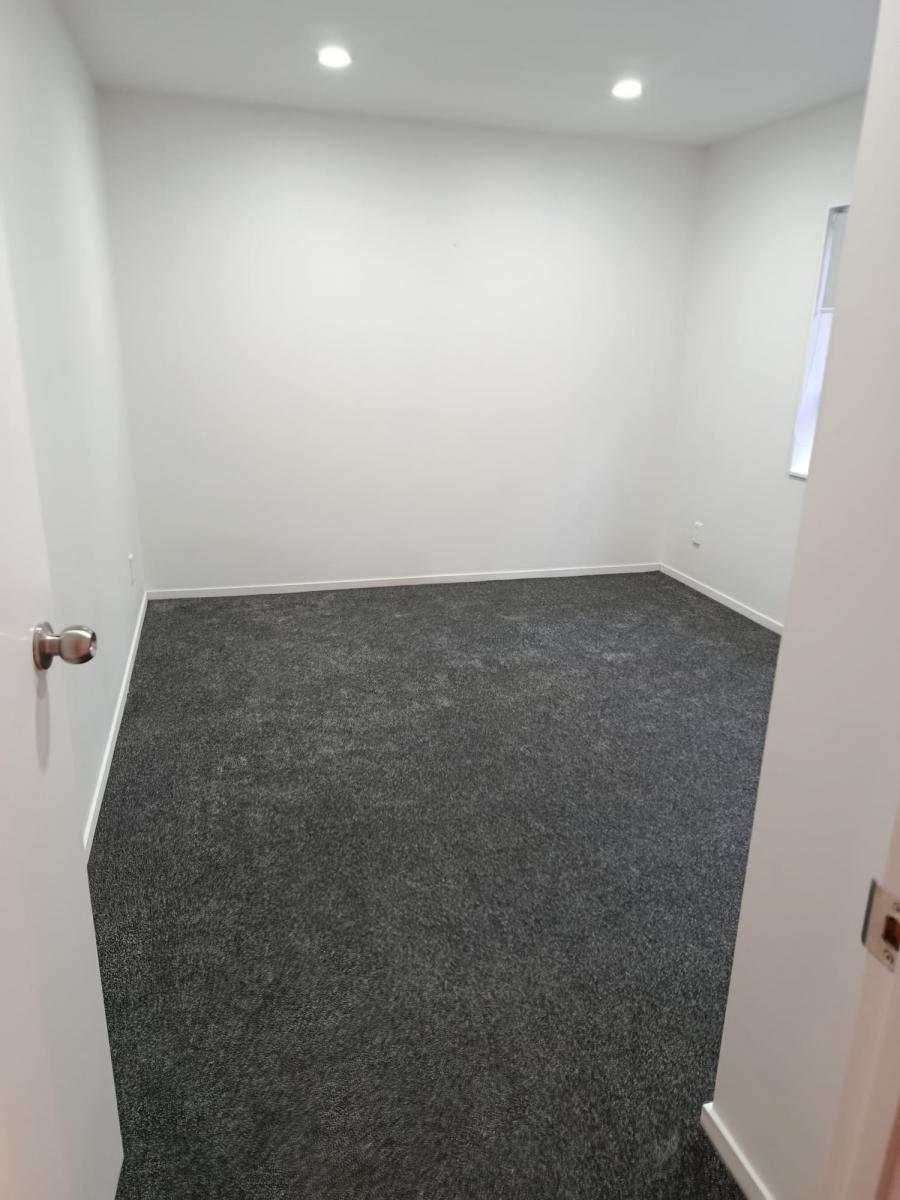
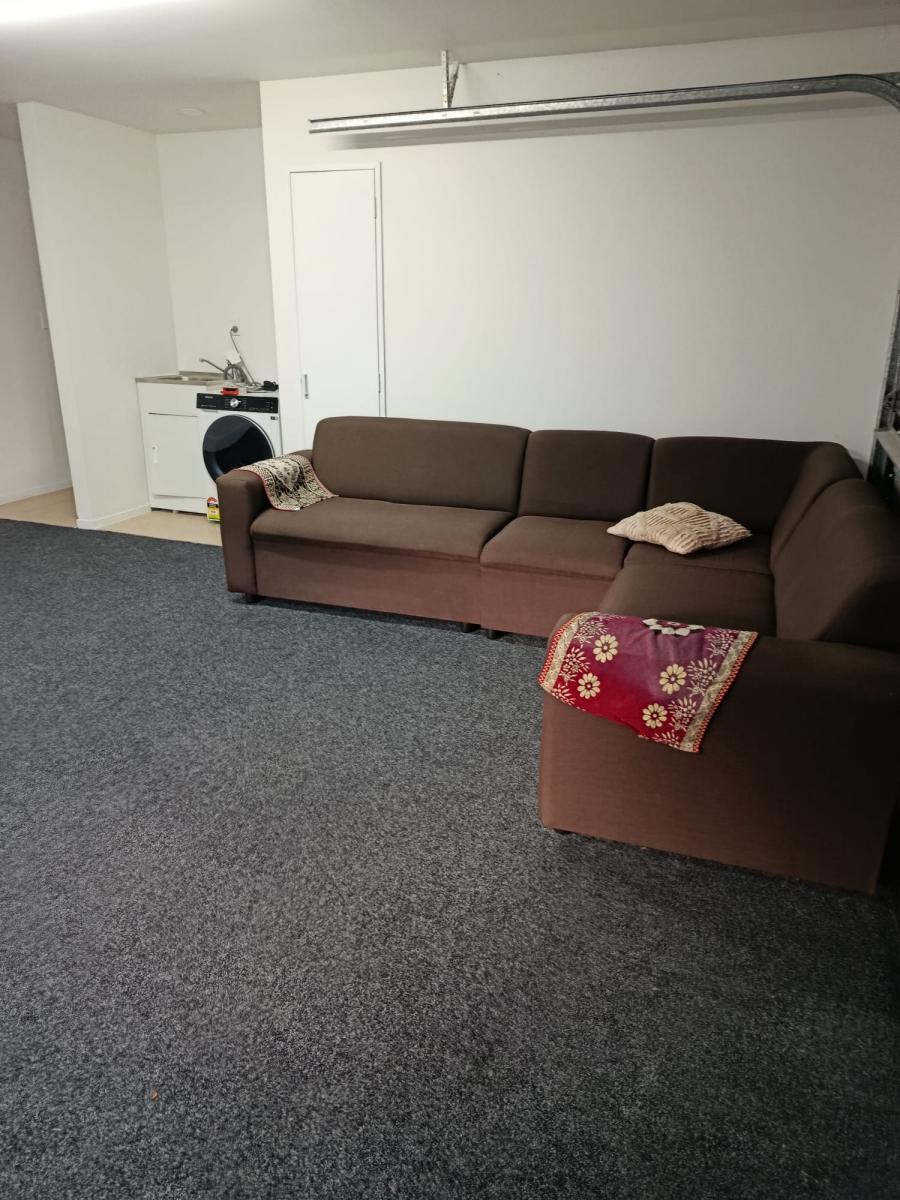
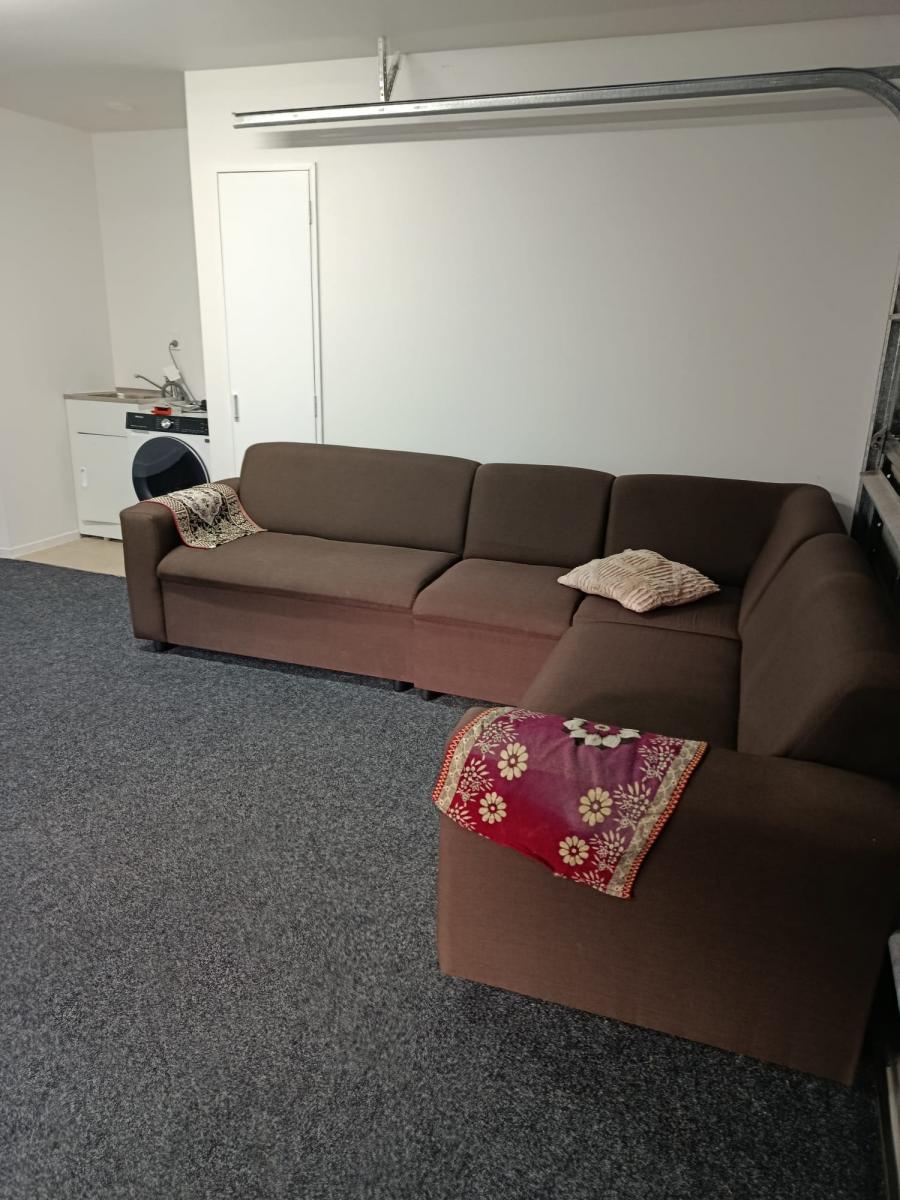
🌿 Beautiful Private Space Available for Rent – Perfect for 2 Girls or a Couple 🌿
Located in the peaceful and family-friendly suburb of Lynfield, this warm and welcoming home offers a comfortable living space in a highly sought-after top school zone.
✨ What’s Included:
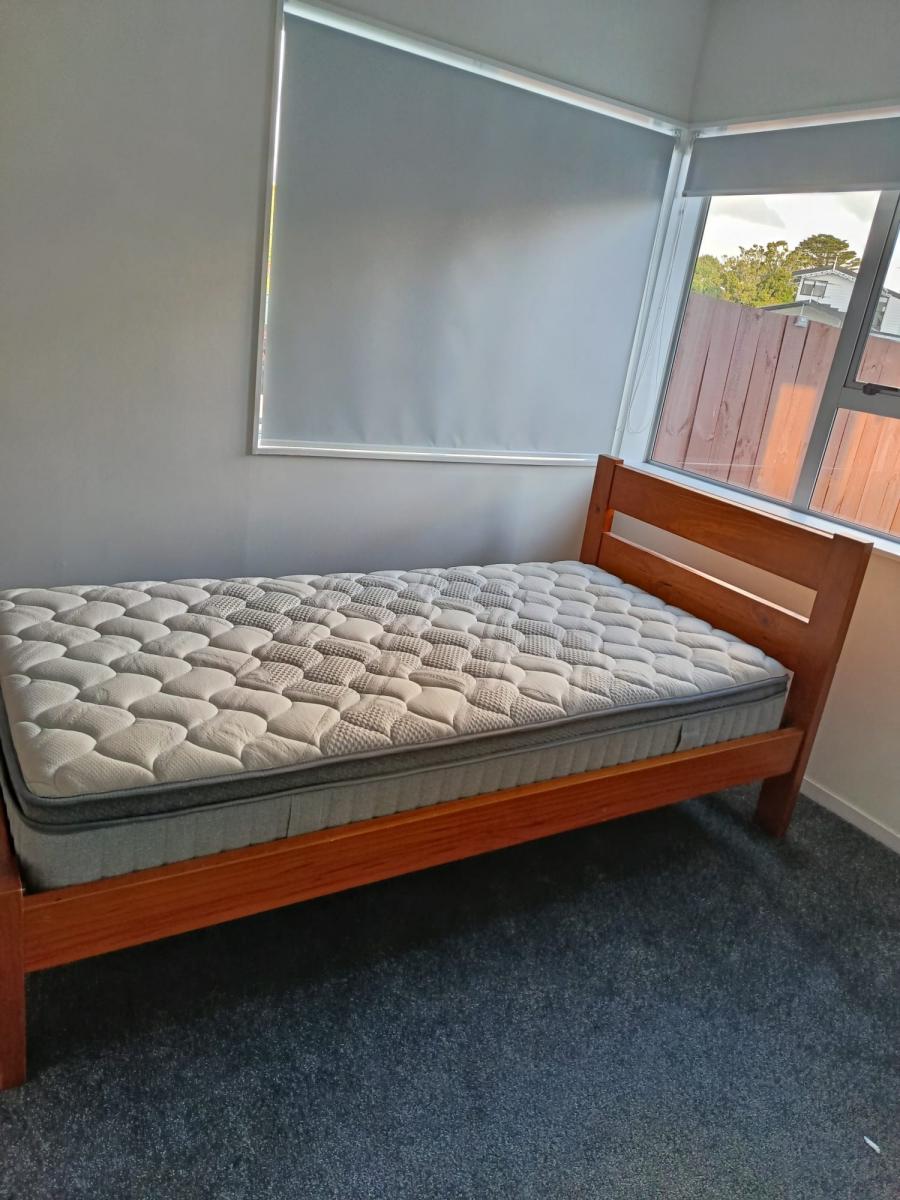
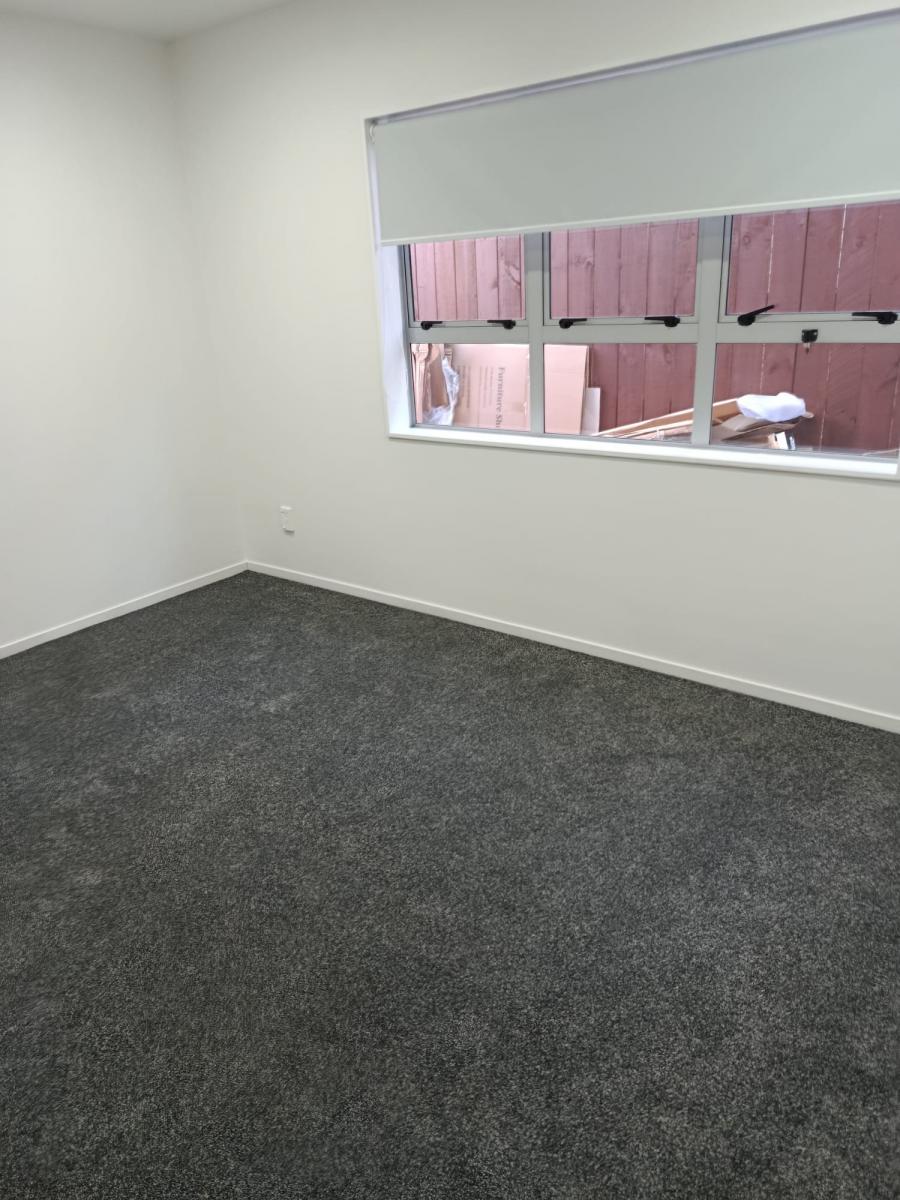
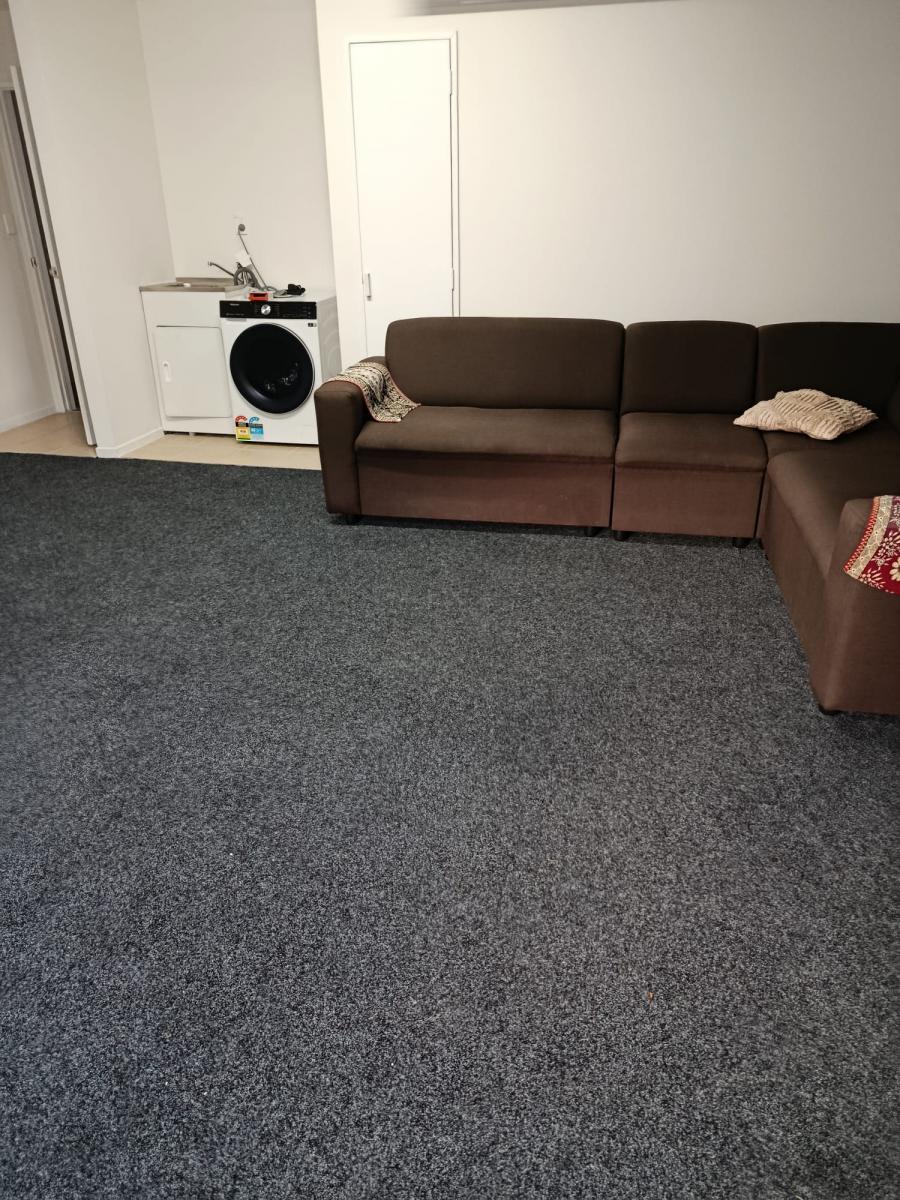
🏡 2 Spacious Bedrooms
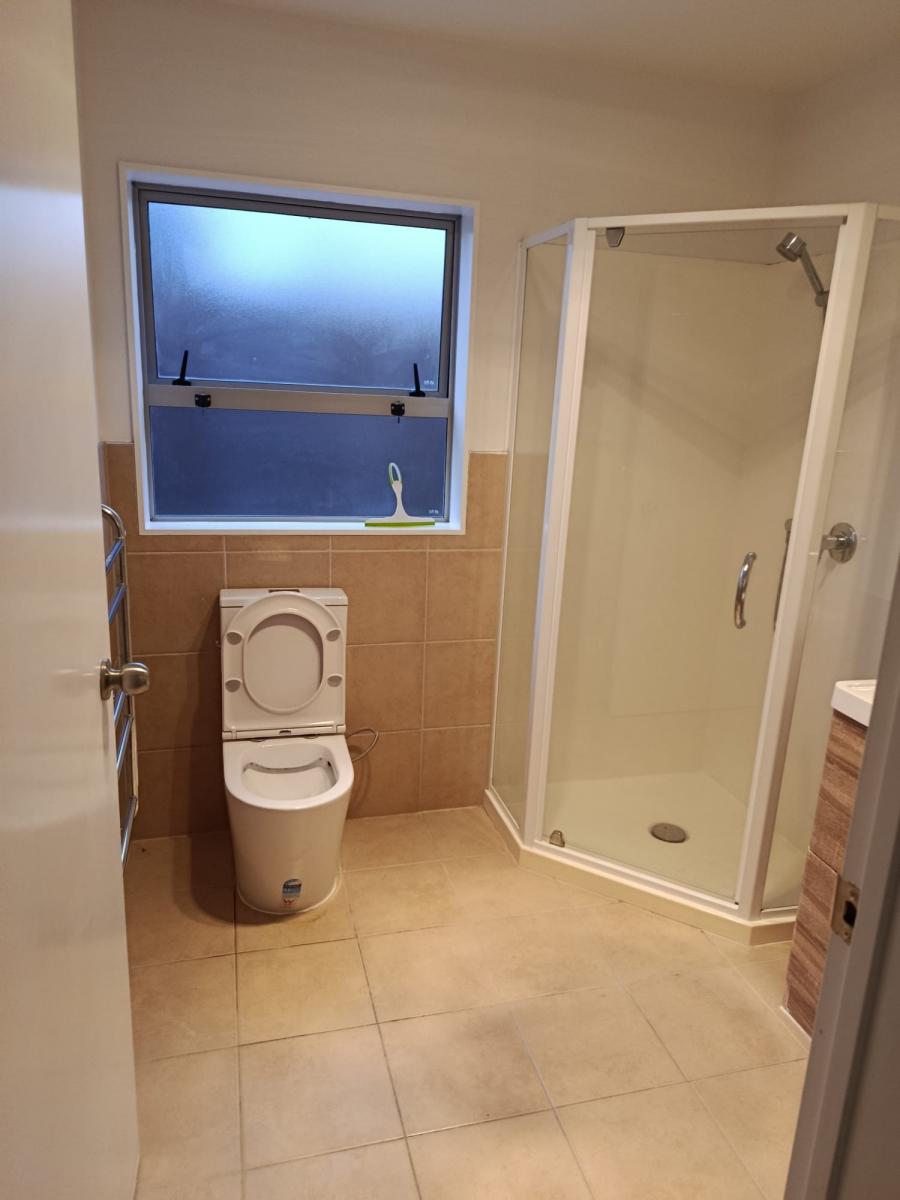
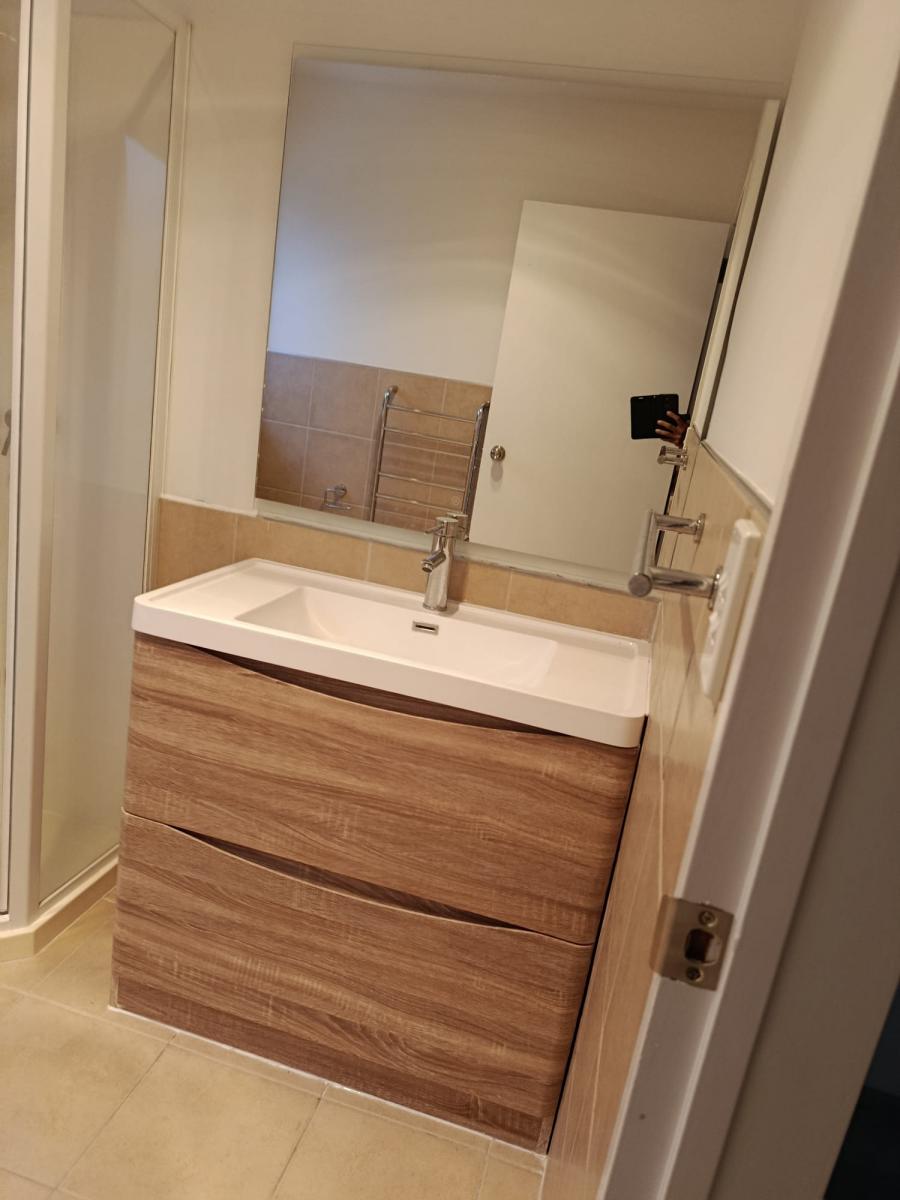
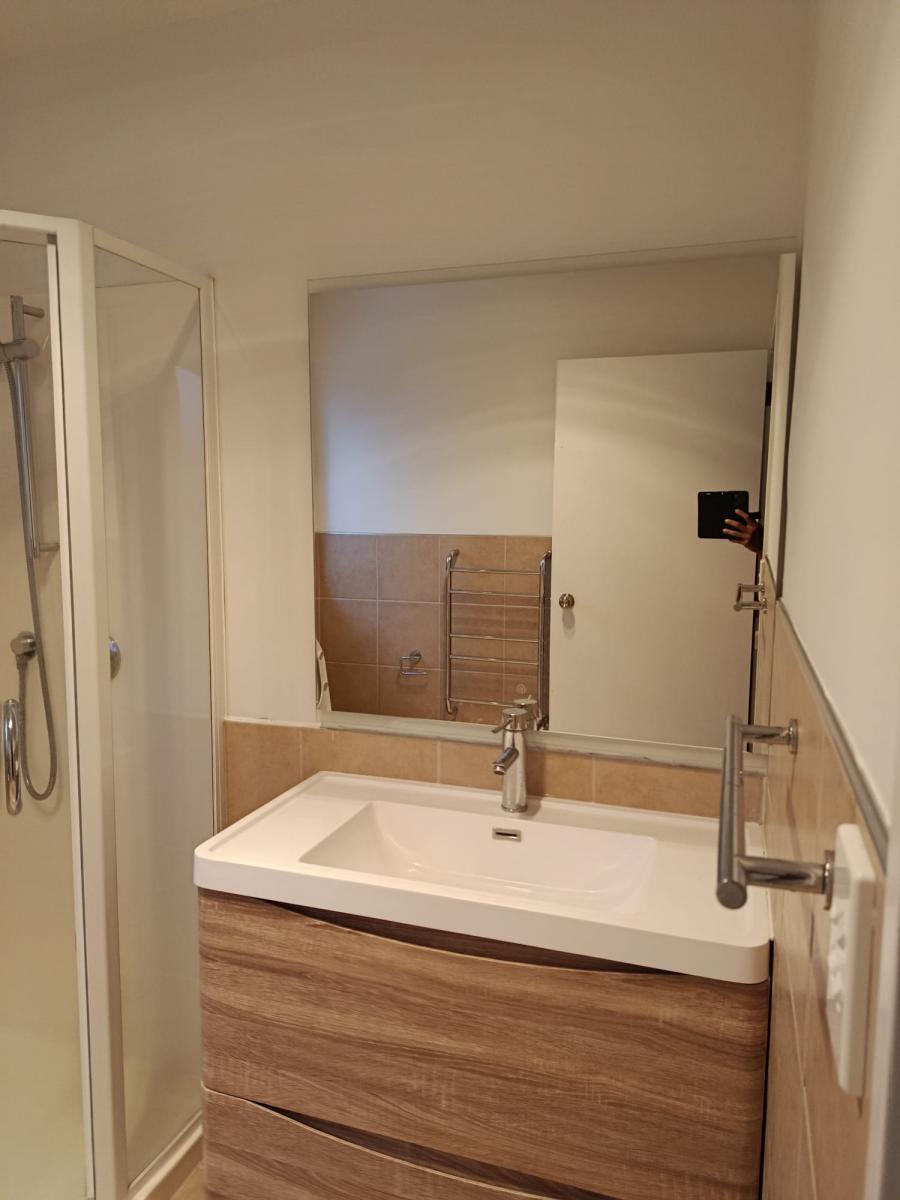
🛁 Private Bathroom
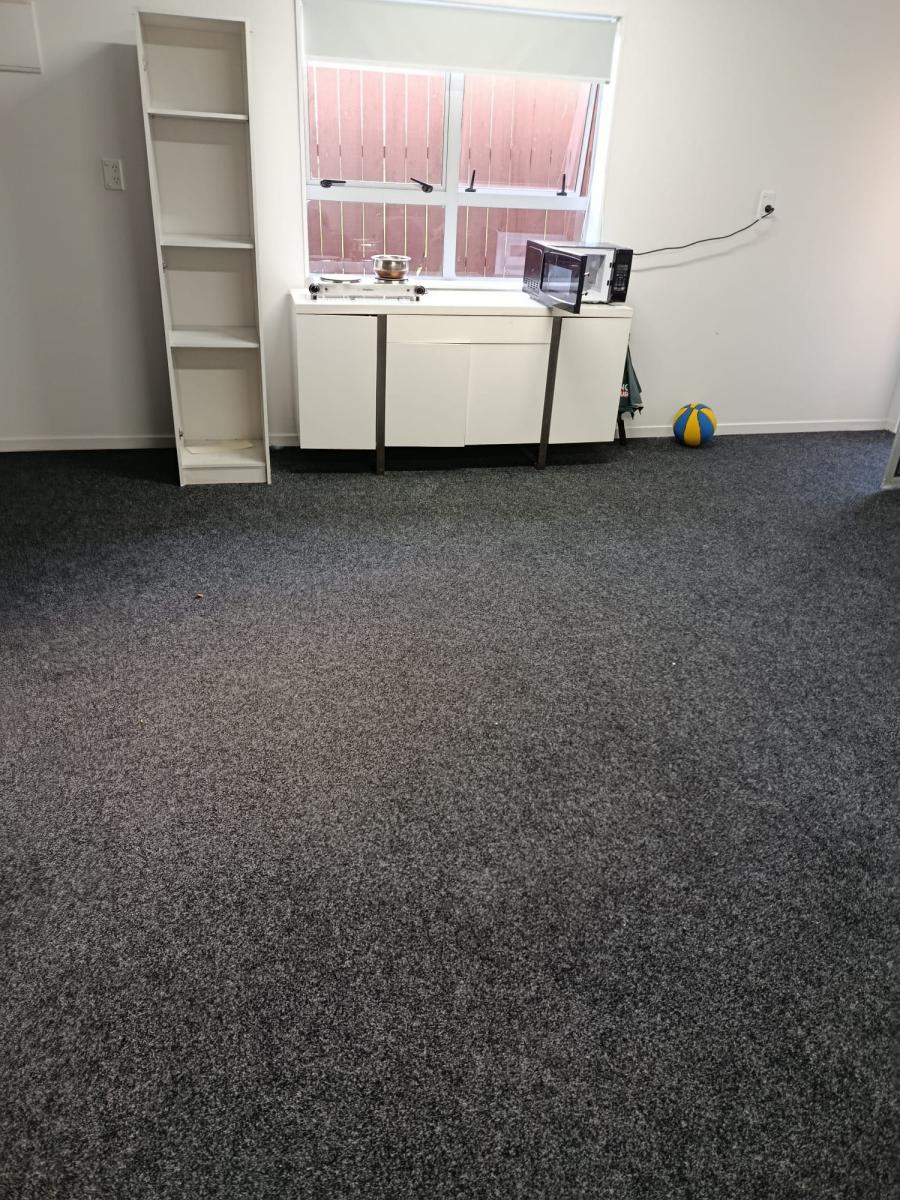
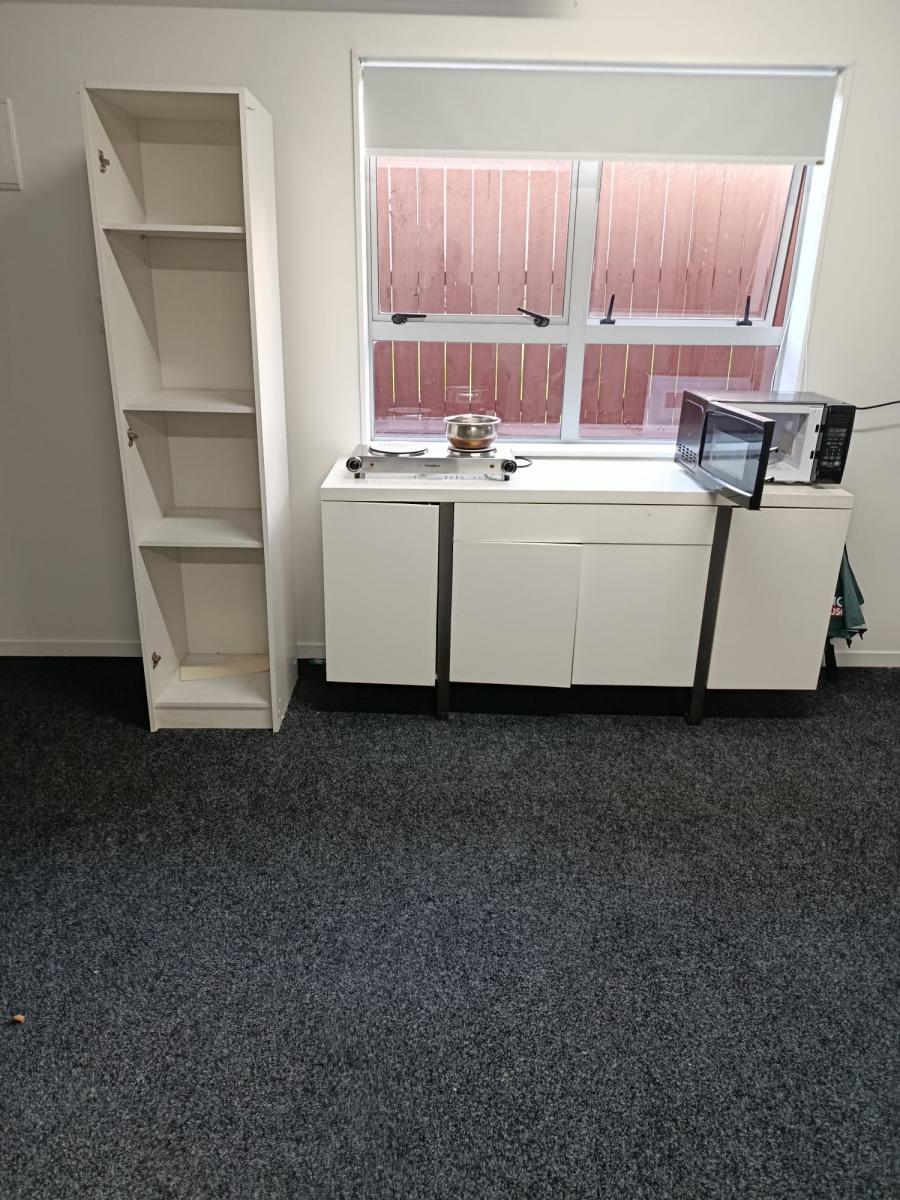
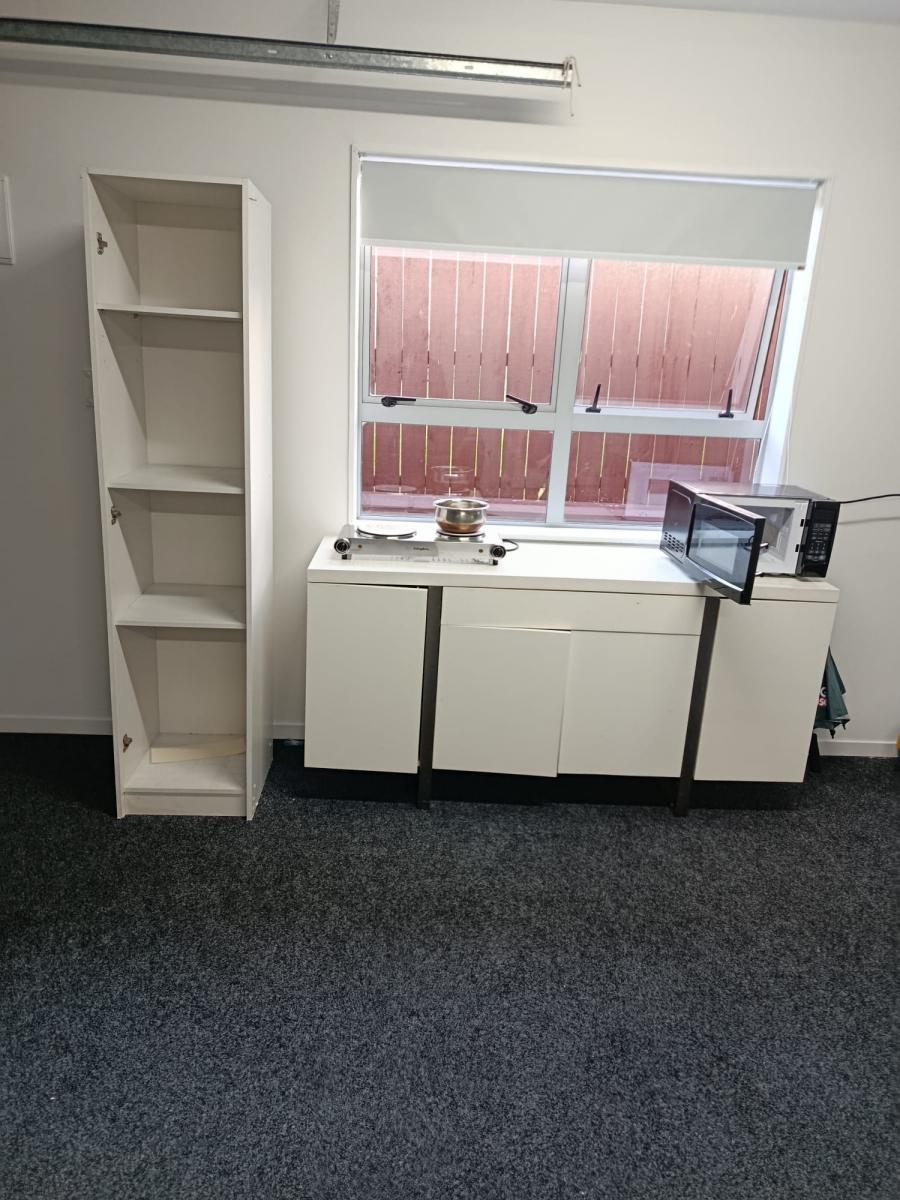
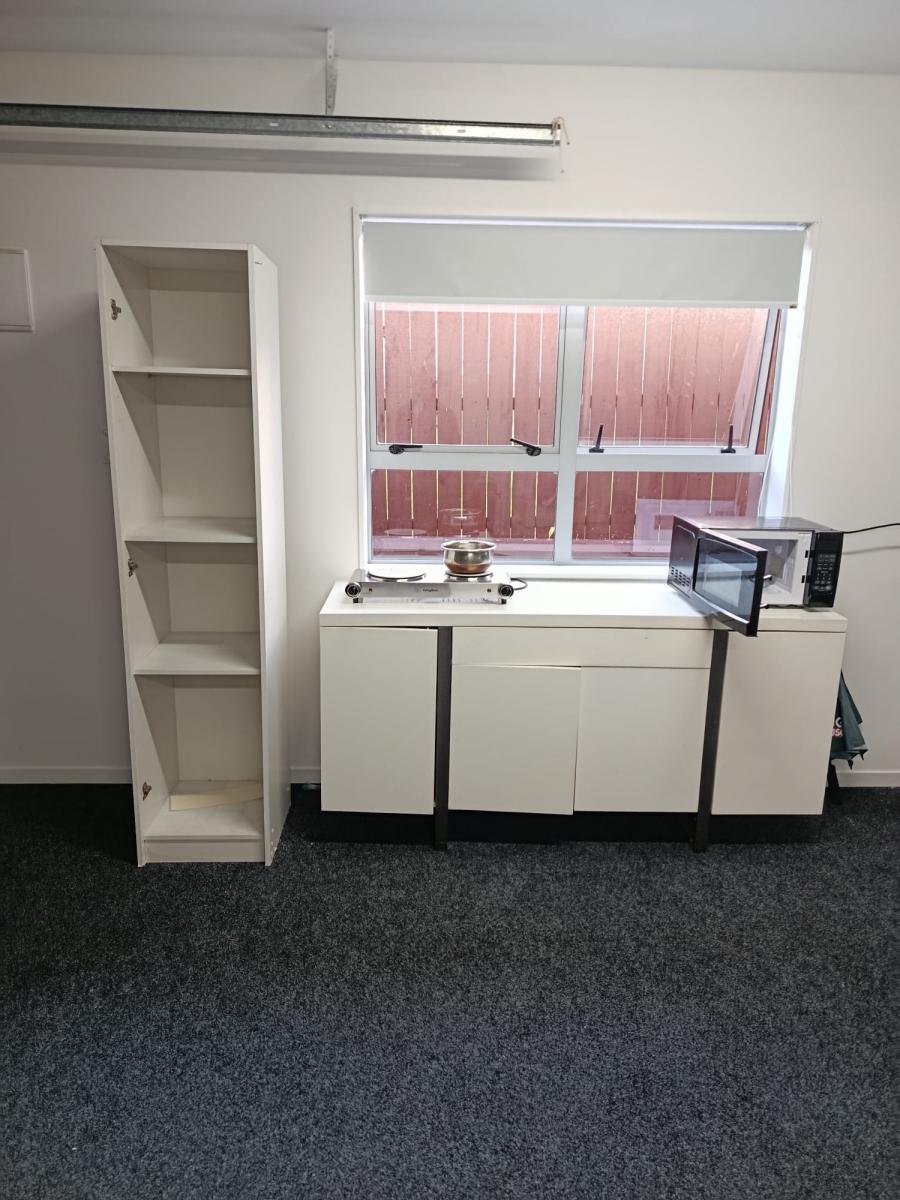
🍳 Separate Kitchen
🛏️ 1 Bed with Mattress
🔥 Stove
📟 Microwave
Unlimited WiFi included
✔ Power & water included
✔ Bus stop in front of the house
✔ Nearby shops and supermarkets
This setup is ideal for two girls or a couple looking for a quiet, safe, and relaxed place to call home.
🌸 Enjoy living in a serene neighbourhood with a friendly community atmosphere, while still being conveniently close to schools, shops, and transport.
If you're looking for comfort, privacy, and a peaceful lifestyle — this could be your perfect new home 💛
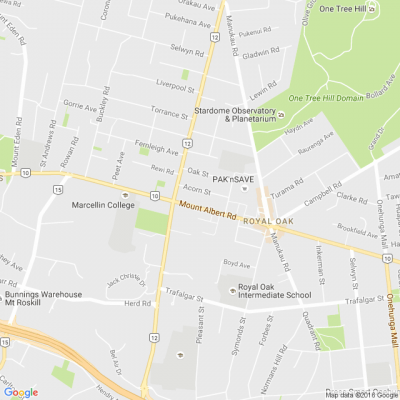
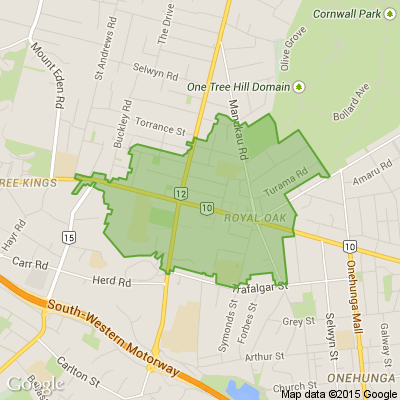
📍 Location: Lynfield, Auckland
📩 Message for more details or to arrange a viewing. For couple $450 for one bedroom. $600 for the 2 bedroom and kitchen and bathroom. Feel free to contact me on 022-422-0145 for any other details
 Loading…