







Top tips for a hassle-free holiday
Are you planning your next getaway? Organising a holiday is exciting, but the journey itself can sometimes be a little overwhelming. To ensure your trip is smooth from start to finish, here are some top tips from the travel experts at You, Me and Friends to help you avoid common travel pitfalls and enjoy a carefree vacation.
Before You Go
============
Know your luggage and its contents
=============================
Before you zip up your suitcase, it’s helpful to make a list of your contents in a notebook or on your phone. Taking a few quick photos of both the outside and inside of your luggage is also beneficial. If your bags are lost or delayed, having a written or visual record makes it easier to recover or replace your belongings.
Make copies of your documents
==========================
It’s a good idea to keep all your essential travel documents - passport, tickets, and itineraries - in one easily accessible folder or wallet. You may want to scan these documents and store them digitally on your email or an app. Having backups ensures that even if something goes missing, you won’t be left stranded.
Choose the right travel insurance for you
=================================
It’s worth spending time finding the right travel insurance policy that fits your needs and the places you’re heading. And of course, remember to double check the fine print to avoid any surprises! Look for coverage that includes things like medical emergencies, repatriation flights, trip cancellations, and lost baggage. Don’t hesitate to discuss your options with your insurance provider - they can help you select the perfect policy for your trip.
Research local customs and etiquette
===============================
Familiarising yourself with the local customs, etiquette, and basic phrases of the country you’re visiting can help make your holiday smoother. Carrying a language phrasebook or using Google Translate can be handy in a place where English isn’t widely spoken. Free language learning apps like Duolingo can also get you started with basic conversations. A little research can go a long way in making your trip more enjoyable.
Think about travelling with medicines
==============================
If you're travelling with medication, it's a good idea to keep it in the original packaging and carry a list of what you're bringing. This can help if customs have any questions. Packing at least three days' worth of medication, along with some clothes and personal items, in your carry-on is also smart - just in case your checked bag doesn't arrive at your destination.
Offline maps and apps
===================
Before you leave, you might want to download offline maps of your destination and any apps you think you’ll need, like translation tools or public transport guides. This ensures you’ll have access to essential information, even if you don’t have an internet connection. Organic Maps is a great free app that gives you access to city maps offline.
Set up travel alerts and notifications
=============================
Registering your travel and signing up for travel alerts with Safetravel is a useful way to stay informed. Safetravel provides official advice for New Zealand citizens travelling overseas, including updates on travel advisories, emergency contacts, and tips for staying safe while abroad.
Bring a portable charger
====================
Bringing a portable charger with you could be a lifesaver. Whether you’re out exploring all day or find yourself stuck at the airport, having extra battery power ensures your phone or tablet stays charged when you need it most.
You can pick up a portable power pack from places like Kmart, just be sure to pack it in your carry-on bag.
Research places to visit
====================
Would you rather hike 10 stairs or 1,000? When researching attractions, it’s helpful to consider your groups fitness and energy levels. You might find that exploring nearby options that are easier to reach, or free of charge, could make your trip more enjoyable for everyone. TripAdvisor is a handy website to check reviews and find information about restaurants, hotels and attractions.
Discounts for over 65’s and kids
==========================
Over 65? Many countries around the world offer discounted rates on public buses and trains, as well as entry fees to some museums and attractions. Visiting the Colosseum? That will be free. Visiting Prague? All transport will be free for tourists over 70. What about the Tokyo National Museum? That’s also free.
Want to take the grandchildren on a trip? The same rules apply, attractions are often free or discounted for children.
Enjoy the journey
==============
While planning and preparing can help make your holiday smooth and hassle-free, the most important tip is to remember to have fun and embrace the adventure. Whether you’re uncovering hidden corners of the world, sampling new foods, or simply soaking in the local culture, travel is all about creating memories.
So, enjoy the ride, and let your journey unfold in its own unique way. After all, it’s the unexpected moments that often make for the best stories when you return home. Safe travels!
==================================================
www.rymanhealthcare.co.nz...
==============================================

Chapter Book and Tea Shop Jan-Feb 2026 Book Catalogue
📚 JAN-FEB 2026 BOOK CATALOGUE 📚
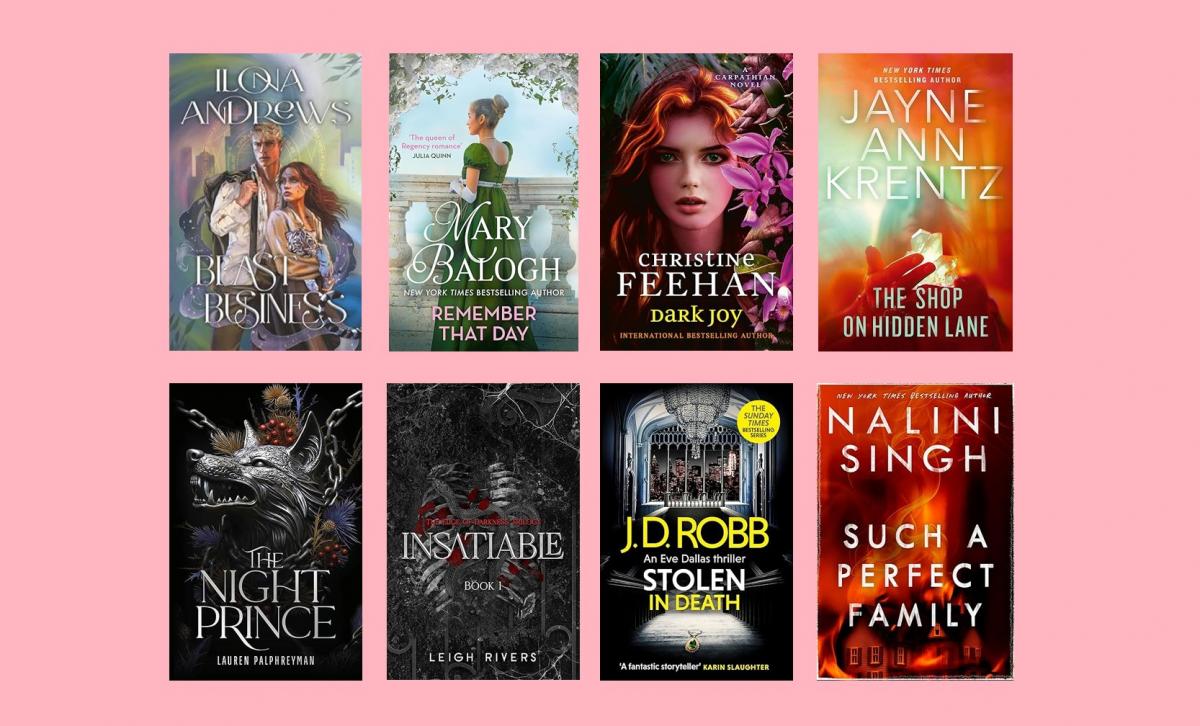
Welcome back and best wishes for 2026! The new year sees the arrival of lots of goodies including Ilona Andrews’ BEAST BUSINESS (Hidden Legacy Series—Novella), Mary Balogh’s REMEMBER THAT DAY (Ravenswood Series), Christine Feehan’s DARK JOY (Dark Carpathian Series), Jayne Ann Krentz’s THE SHOP ON HIDDEN LANE (Set in Fogg Lake), Lauren Palphreyman’s THE NIGHT PRINCE (Wolf King Series), Leigh Rivers’ INSATIABLE (Edge of Darkness Series), J.D. Robb’s STOLEN IN DEATH (In Death Series), Nalini Singh’s SUCH A PERFECT FAMILY and more. Enjoy your reading!
NB. We have temporarily sold out of Mary Balogh’s “REMEMBER THAT DAY” and we expect it to be back in stock in around two weeks’ time.
Check out the catalogue at
chapter.co.nz...
Please see p.2 for the:
• Order link for signed copies of Nalini Singh’s SUCH A PERFECT FAMILY
• Pre-order link for signed copies of Nalini Singh’s ARCHANGEL’S ETERNITY
• Details of the Romance Writers of New Zealand Short Story Contest sponsored by Chapter (in April 2026).
• Details of the Auckland Romance Readers Book Club Monthly Meetings and Auckland Romance Readers Book Club Facebook Group.
For Orders, Enquiries or to check instore dates:
✉️ info@chapter.co.nz ☎️ 09-6232319 📱 021-635027
NB. Chapter’s trading hours are Tue–Sun 10–4. We are CLOSED on Mondays.
#ChapterBookandTeaShop #Tea #TeaShop #Books #Bookshop #RomanceBookshop #RomanceFictionSpecialist #BiMonthlyBookCatalogue

Poll: 🤖 What skills do you think give a CV the ultimate edge in a robot-filled workplace?
The Reserve Bank has shared some pretty blunt advice: there’s no such thing as a “safe” job anymore 🛟😑
Robots are stepping into repetitive roles in factories, plants and warehouses. AI is taking care of the admin tasks that once filled many mid-level office jobs.
We want to know: As the world evolves, what skills do you think give a CV the ultimate edge in a robot-filled workplace?
Want to read more? The Press has you covered!

-
52.7% Human-centred experience and communication
-
14.7% Critical thinking
-
29.6% Resilience and adaptability
-
2.9% Other - I will share below!
Room for rent
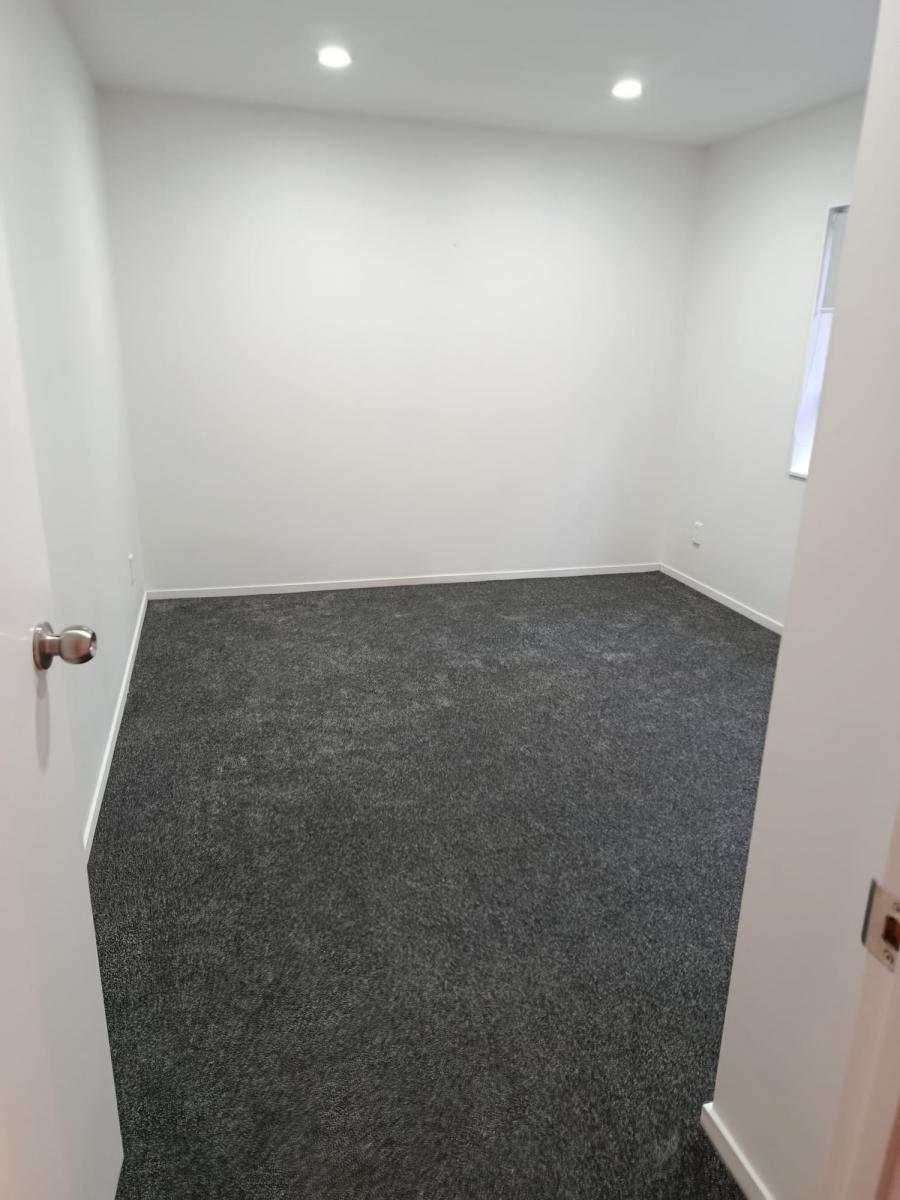
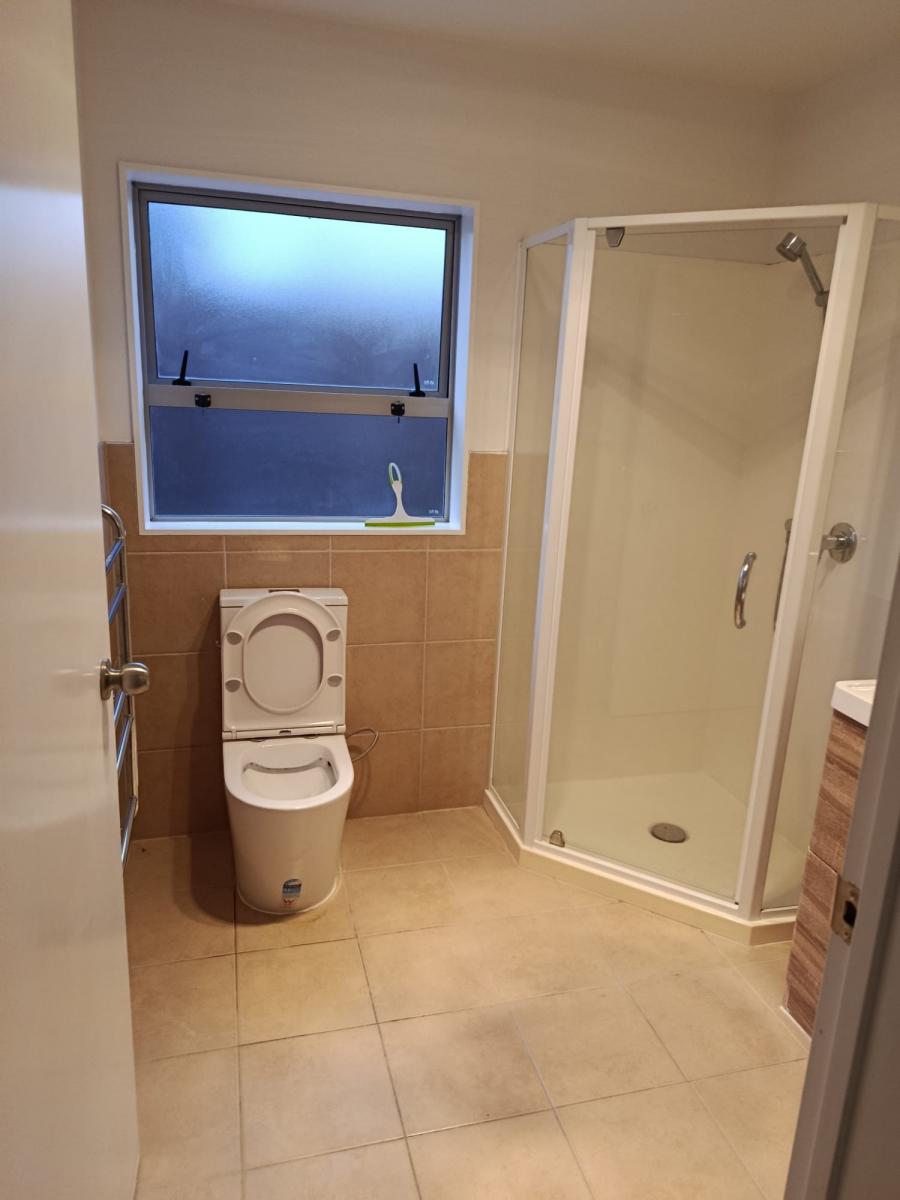
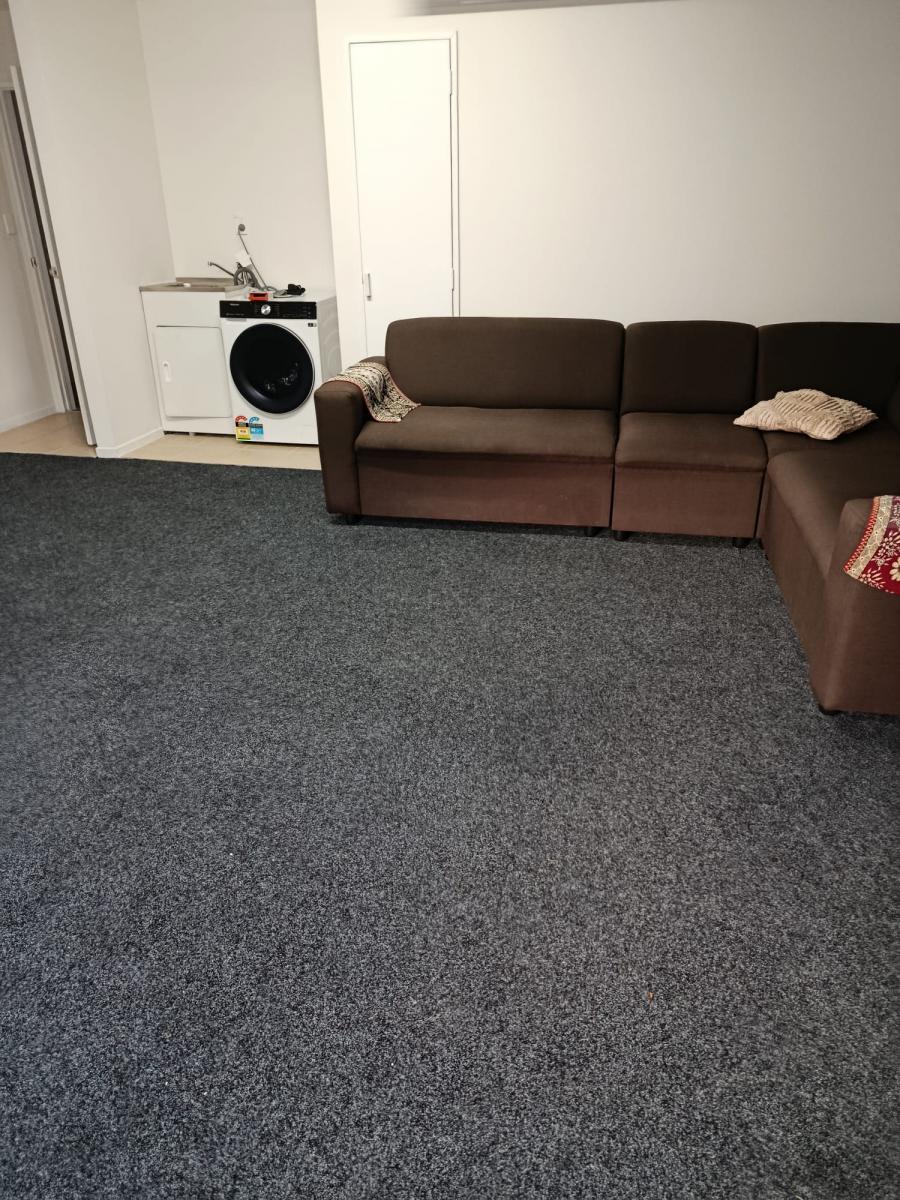
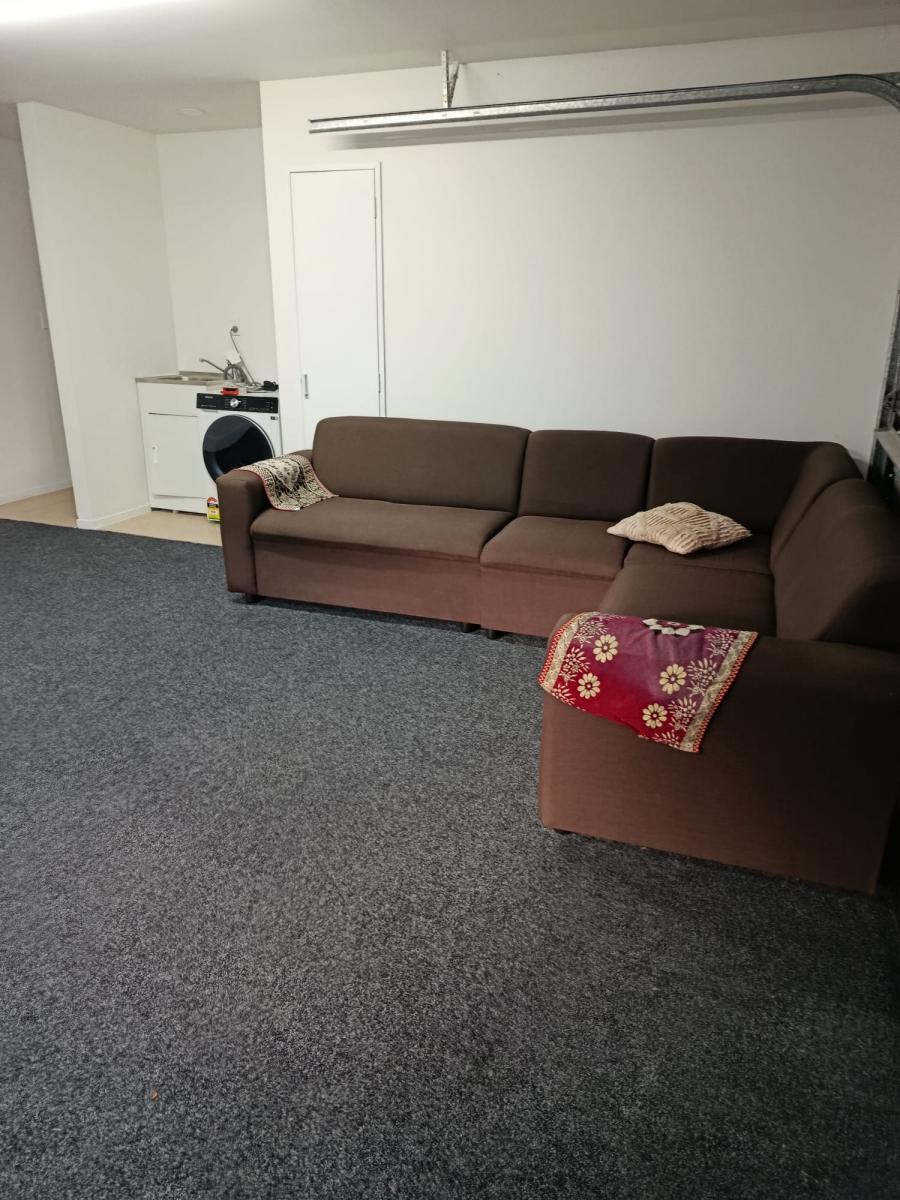
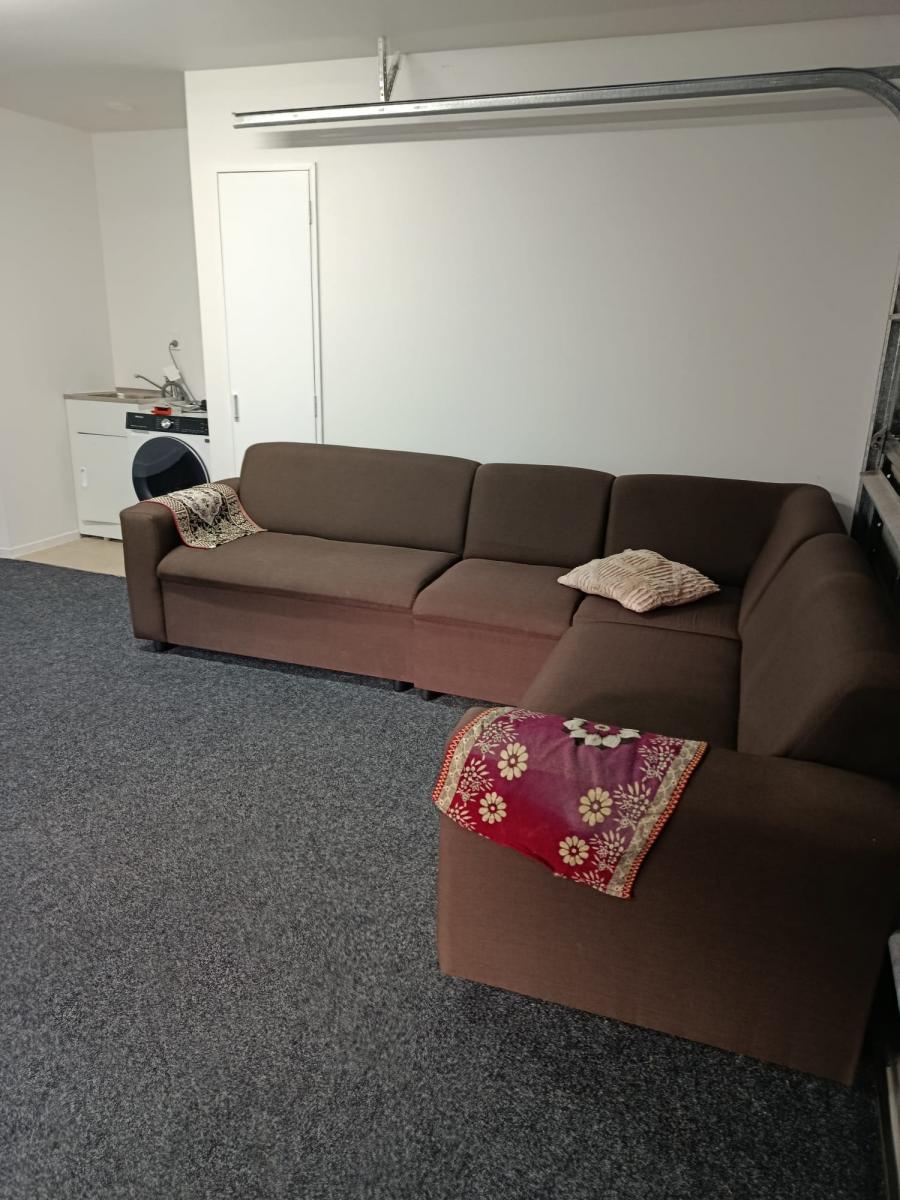
🌿 Beautiful Private Space Available for Rent – Perfect for 2 Girls or a Couple 🌿
Located in the peaceful and family-friendly suburb of Lynfield, this warm and welcoming home offers a comfortable living space in a highly sought-after top school zone.
✨ What’s Included:
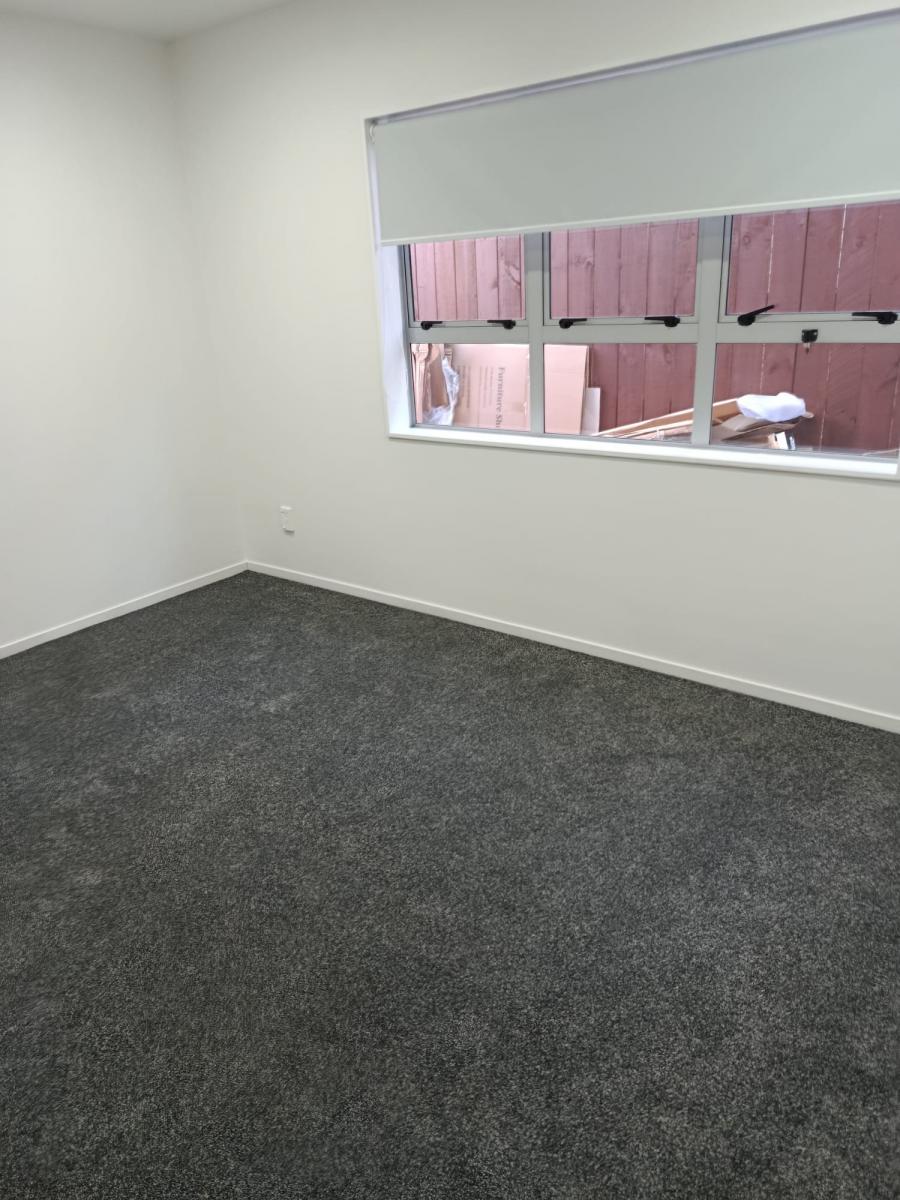
🏡 2 Spacious Bedrooms
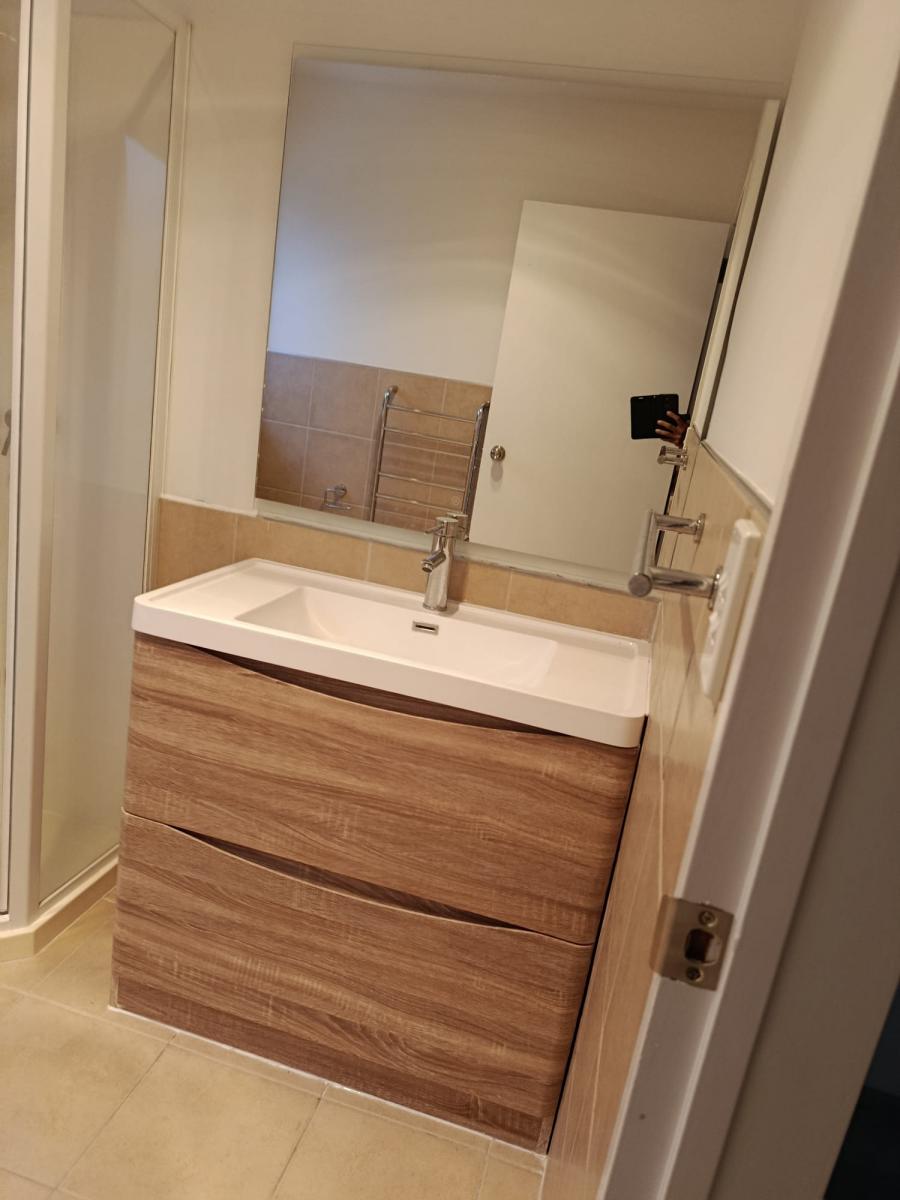
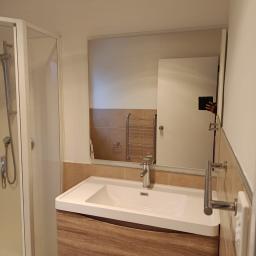
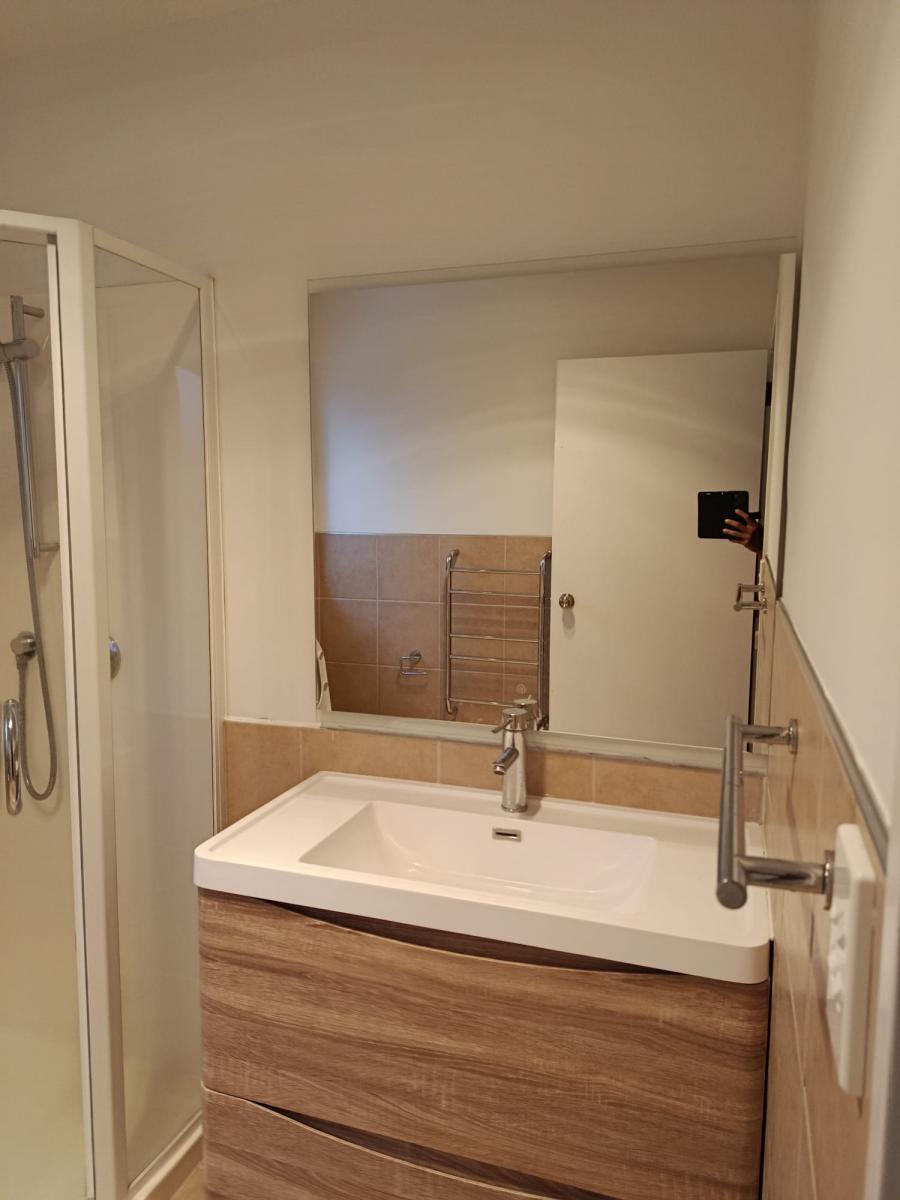
🛁 Private Bathroom
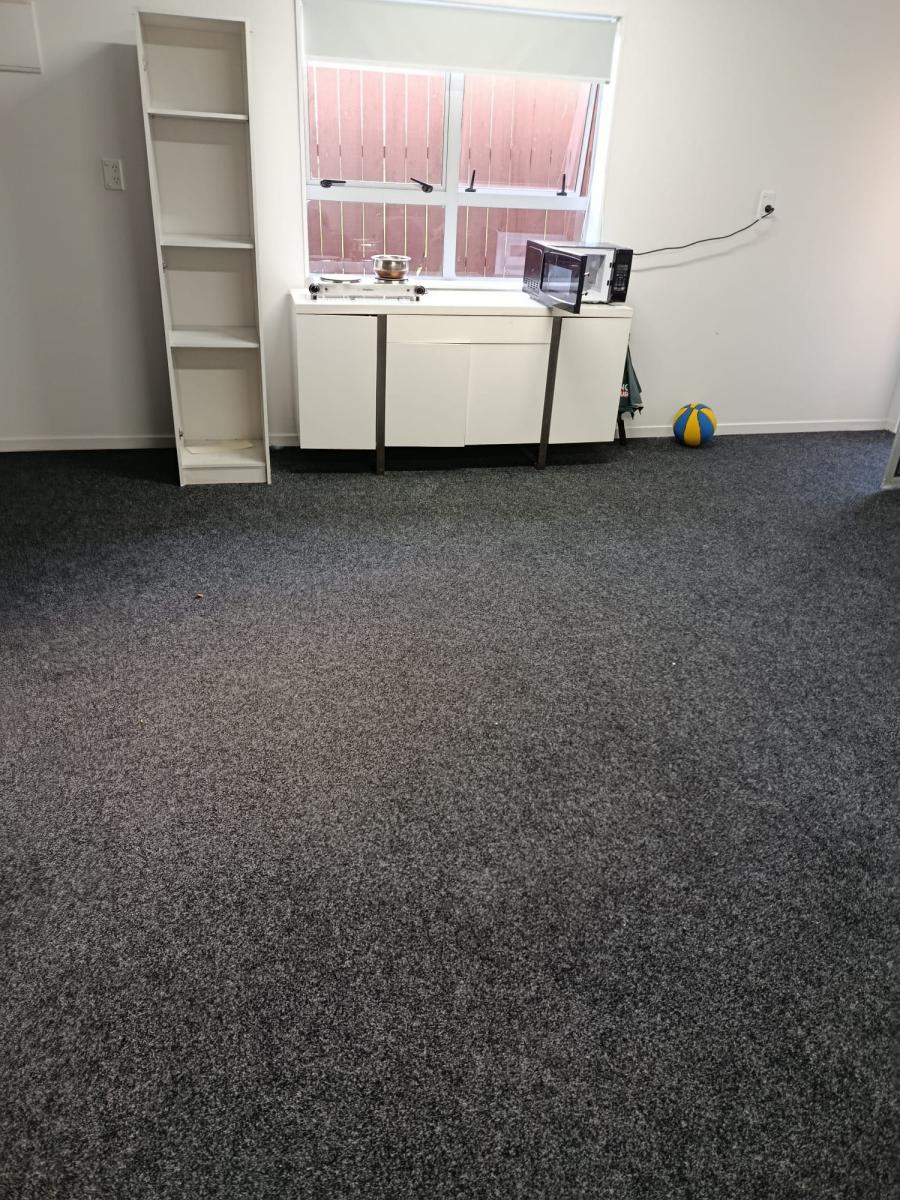
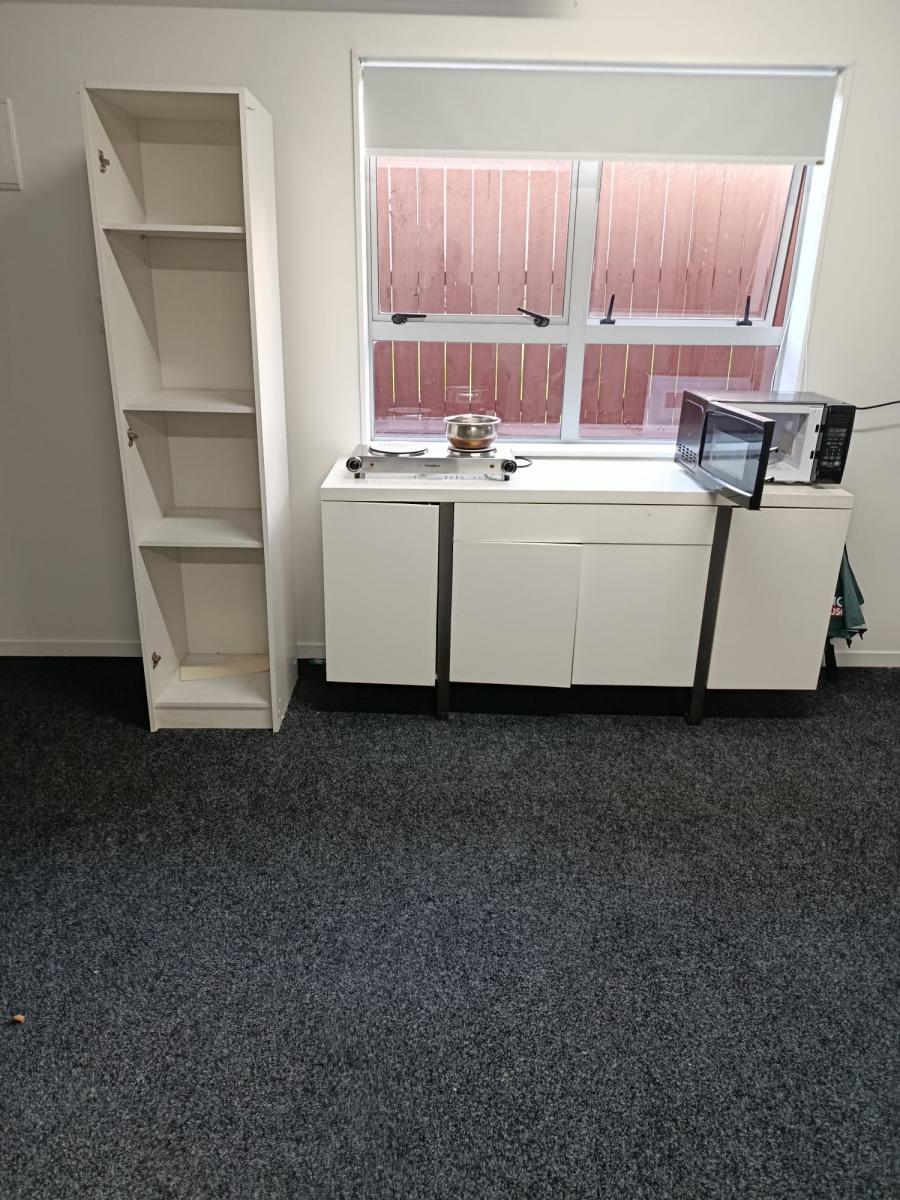
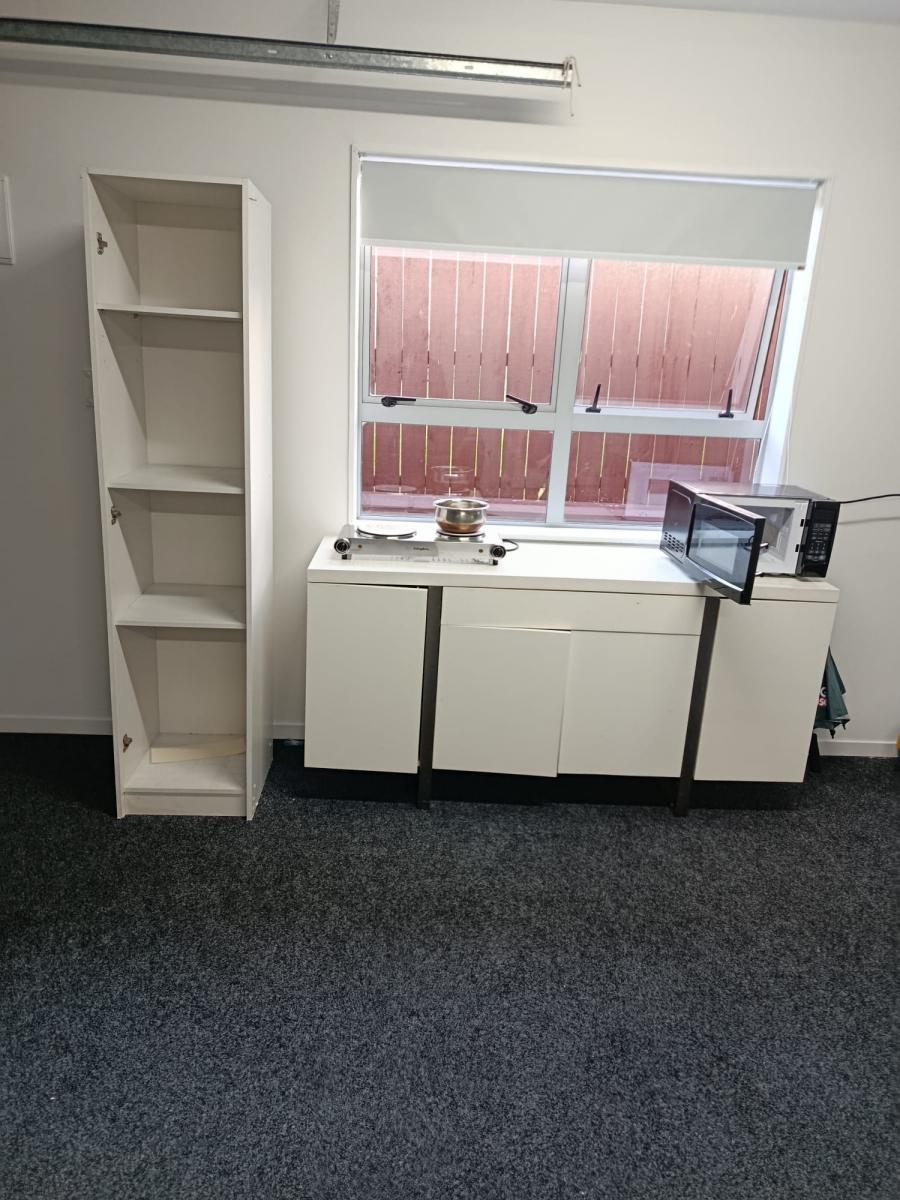
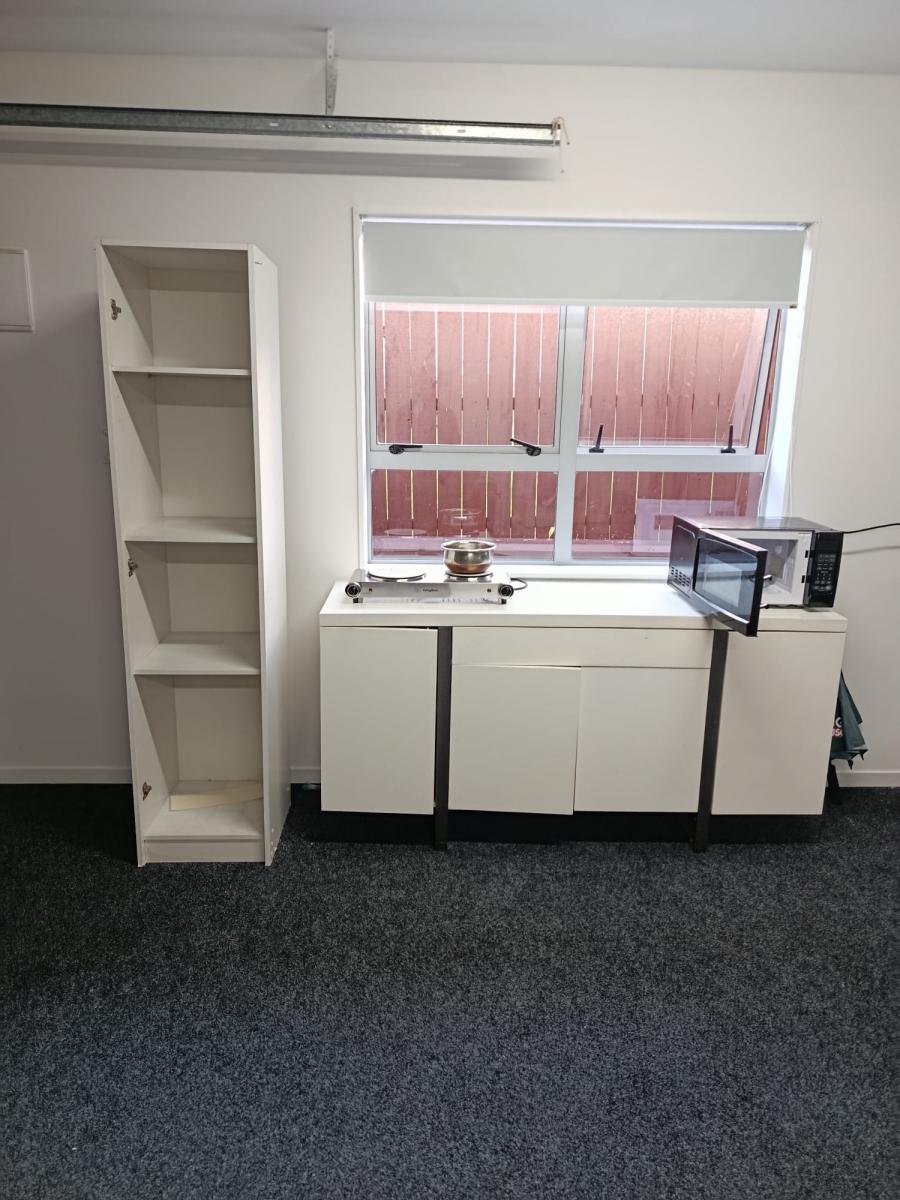
🍳 Separate Kitchen
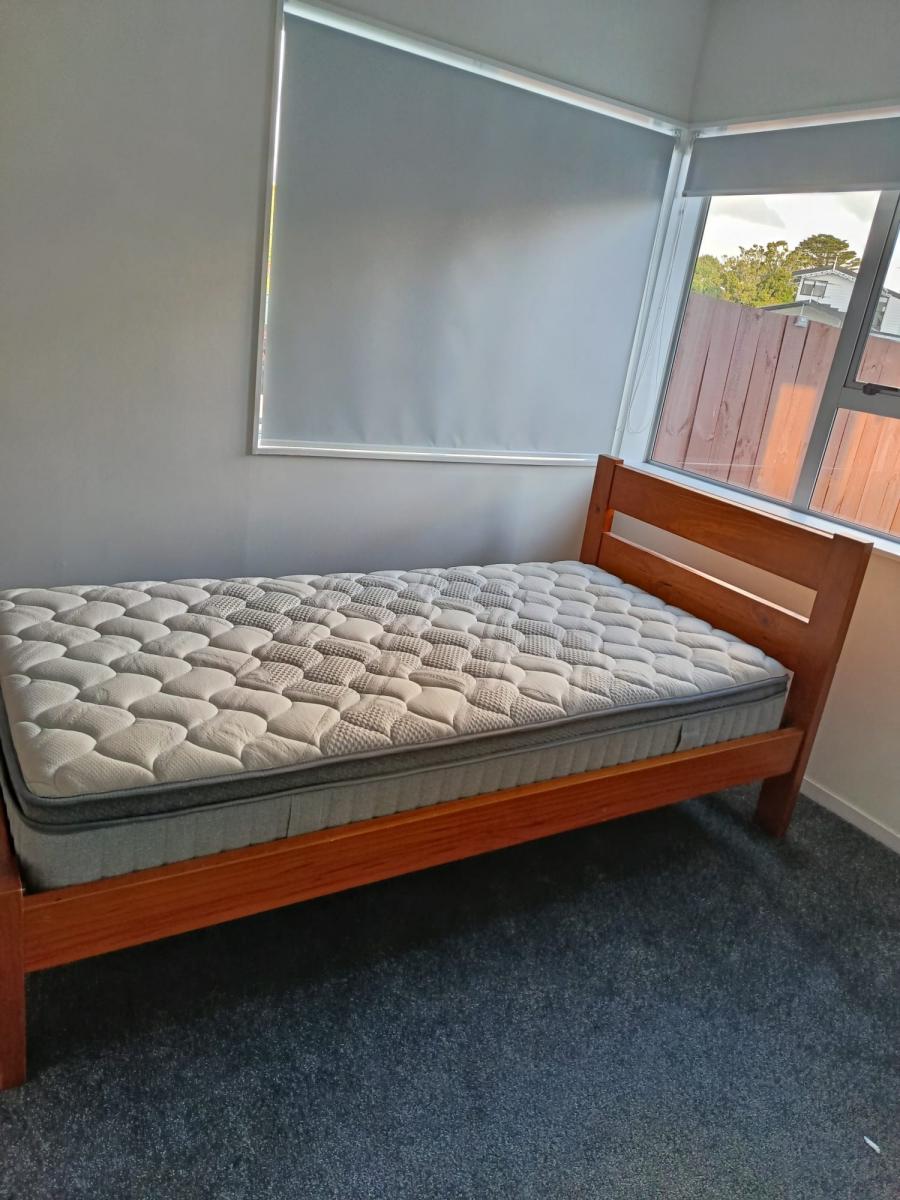
🛏️ 1 Bed with Mattress
🔥 Stove
📟 Microwave
Unlimited WiFi included
✔ Power & water included
✔ Bus stop in front of the house
✔ Nearby shops and supermarkets
This setup is ideal for two girls or a couple looking for a quiet, safe, and relaxed place to call home.
🌸 Enjoy living in a serene neighbourhood with a friendly community atmosphere, while still being conveniently close to schools, shops, and transport.
If you're looking for comfort, privacy, and a peaceful lifestyle — this could be your perfect new home 💛
📍 Location: Lynfield, Auckland
📩 Message for more details or to arrange a viewing. For couple $450 for one bedroom. $600 for the 2 bedroom and kitchen and bathroom. Feel free to contact me on 022-422-0145 for any other details
 Loading…