






Police and Health warn of dangers of nitrous oxide
Police and the Ministry of Health are working together in response to growing concerns about the misuse of nitrous oxide, particularly when it is used by drivers.
Nitrous oxide is also known by other names, including nangs, laughing gas, and nos.
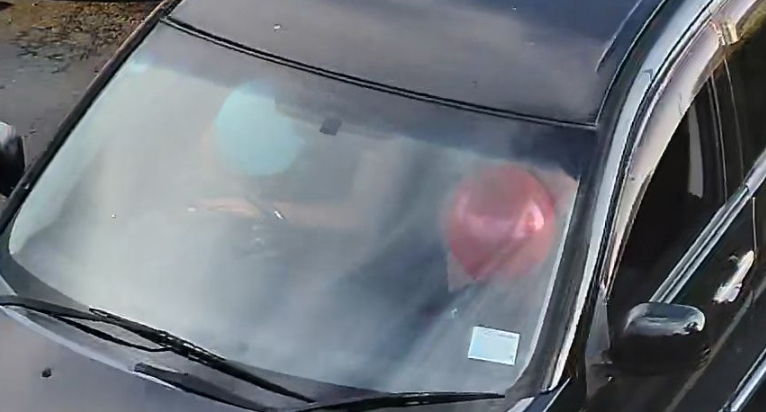
Police is increasingly concerned by the growing number of incidents involving drivers inhaling nitrous oxide and putting themselves, their passengers, and other road users at risk. Inhaling nitrous oxide can rapidly cause dizziness, confusion, and blackouts.
Assistant Commissioner of Road Policing and District Support Tusha Penny says any substance that affects judgment, coordination, or consciousness can have deadly consequences when someone is behind the wheel. “We are now seeing an increase in the use of nitrous oxide as a factor in a number of serious crashes, including some crashes where people have died.”
Police is also engaging with retailers and reminding them that the sale of nitrous oxide is illegal for recreational use under the Psychoactive Substances Act. “We will be providing letters to retailers in areas where this is a known issue over the coming weeks to remind them of their obligations.”
Police will take a graduated response to the unlawful supply of nitrous oxide, with a focus on engagement, education and encouragement, alongside enforcement where appropriate.
The Ministry of Health’s Chief Medical Officer, Dr Joe Bourne says that reports from Police of nitrous oxide misuse linked with driving are a particular concern. He says that nitrous oxide can cause significant harm when misused for recreational inhalation, and those harms are magnified when combined with driving. Mixing nitrous oxide with alcohol or other drugs can have unpredictable effects and increase the risk of harm.
“Nitrous oxide may seem relatively harmless, but it can cause real damage. When it’s inhaled, the gas pushes oxygen out of your lungs and bloodstream, which can make you dizzy, cause you to black out, or even be life-threatening in some cases,” says Dr Bourne.
Inhaling nitrous oxide can also have long-term effects. “Separately we know that heavy, frequent, or chronic use can cause nerve damage, leading to, weakness, numbness, and long-term problems with movement or coordination,” says Dr Bourne.
Dr Bourne advises individuals to contact their health care provider if anyone has used these products and is concerned about their health. The Ministry will work with Health New Zealand to raise awareness of the harms caused to physical and mental health by the recreational use of nitrous oxide.
If you’re concerned about your own drinking or drug taking, you can reach out to the Alcohol Drug Helpline on 0800 787 797, or text 8681.

🧩😏 Riddle me this, Neighbours…
I am an odd number. Take away a letter and I become even. What number am I?
Do you think you know the answer?
Want to stop seeing these in your newsfeed? No worries! Simply head here and click once on the Following button.


Some Choice News!
DOC is rolling out a new tool to help figure out what to tackle first when it comes to protecting our threatened species and the things putting them at risk.
Why does this matter? As Nikki Macdonald from The Post points out, we’re a country with around 4,400 threatened species. With limited time and funding, conservation has always meant making tough calls about what gets attention first.
For the first time, DOC has put real numbers around what it would take to do everything needed to properly safeguard our unique natural environment. The new BioInvest tool shows the scale of the challenge: 310,177 actions across 28,007 sites.
Now that we can see the full picture, it brings the big question into focus: how much do we, as Kiwis, truly value protecting nature — and what are we prepared to invest to make it happen?
We hope this brings a smile!


Poll: Is Auckland’s economy improving?
The latest reporting from The Post suggests a wave of optimism for 2026. With interest rates finally heading south, businesses are feeling more positive. But for many on the ground, the real-world recovery feels a bit like a slow-moving commute on Auckland's motorways.
We want to know: Are you seeing signs of Auckland's economy improving in your industry or neighbourhood? Whether it's busier shops, new projects kicking off, or just a shift in the mood ...

-
15.6% Yes
-
70.1% No
-
14.3% A little
 Loading…