





1st Auckland Cavell Guide Unit Set to Celebrate Centenary
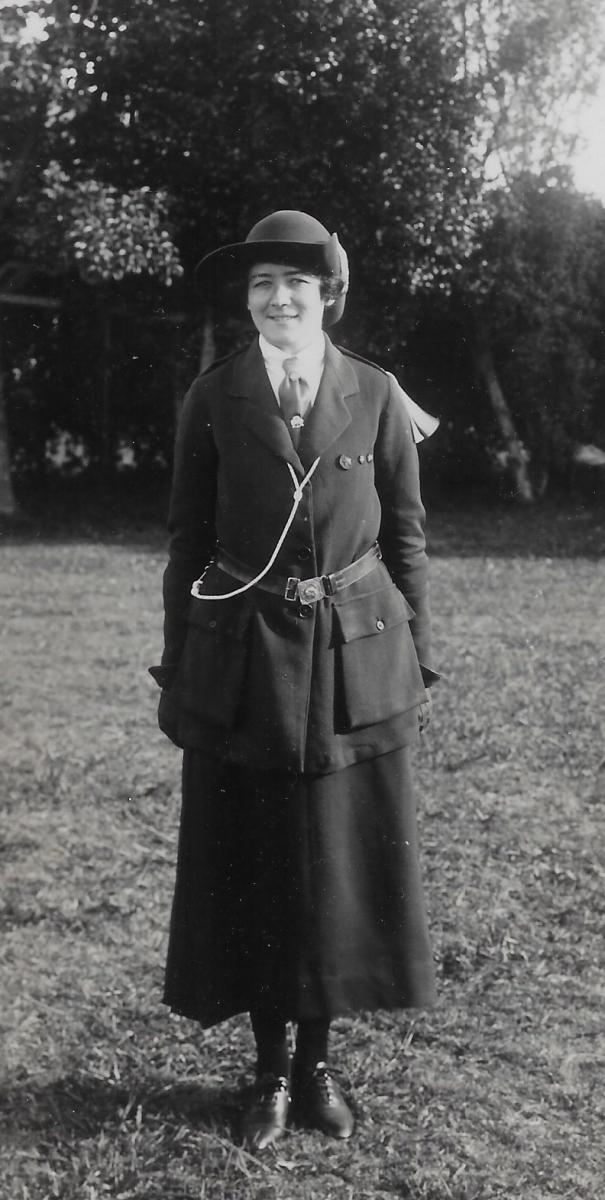
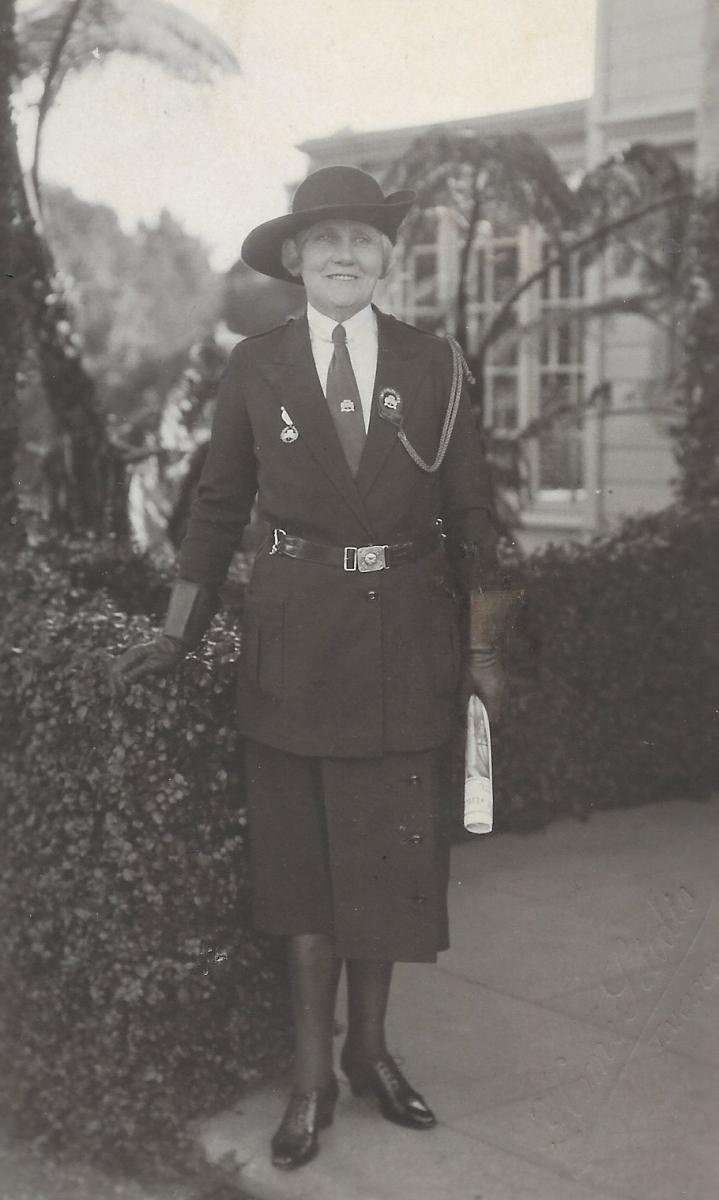
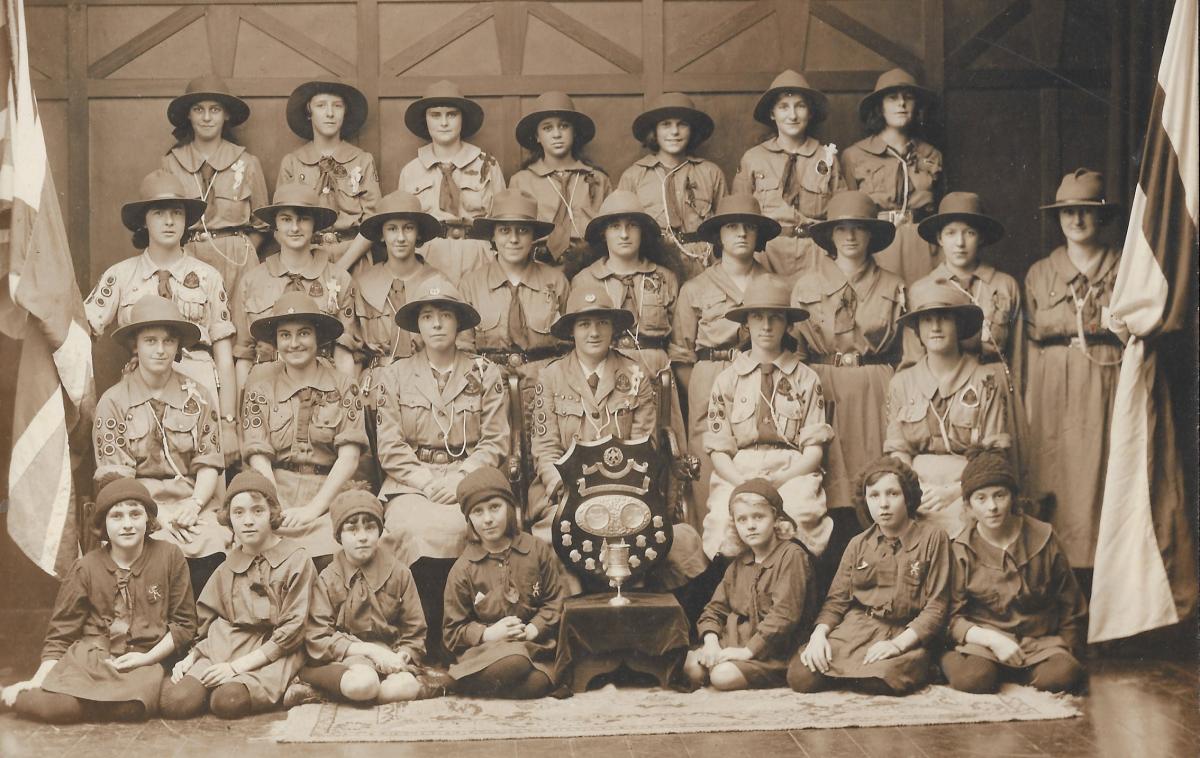
One of the first girl guide units to be formed in Auckland is gearing up for its centenary.
The 1st Auckland Cavell Girl Guide Unit turns 100 in July and is seeking old girls to join the celebrations.
A social afternoon is planned for July 3, kicking off at 2pm with past guiding activities such as knot tying and marking arm slings.
Guests will be treated to afternoon tea and a birthday cake before photographs are taken of the girls.
The day will end with a singalong around the campfire.
The next day, a church parade will march through St Andrews Church, Epsom, where the unit has been meeting since 1921.
Parishioners are invited to a morning tea after the procession.
The unit, initially known as the St Andrew's Peace Scout Group, is believed to be the first guide company which has kept going since it was launched.
It all started when eighteen-year-old Mona Burgin wrote to the Dominion chief scout Colonel Cosgrove, a New Zealand Boer War veteran, asking about Girl Peace Scouts.
He arranged to meet her in Queen St, Auckland and wrote she would recognize him by the red flower in his buttonhole.
Soon after the meeting Burgin formed the troop on July 6.
Girl Peace Scouts wore khaki uniforms and the St Andrews troop wore a red open-ended tie.
In 1923, the Dominion Council became affiliated with the original Girls Guides Association in London.
*Former unit members can email cavellgirlguidesnz@gmail.com for details of the centenary.

Some Choice News!
DOC is rolling out a new tool to help figure out what to tackle first when it comes to protecting our threatened species and the things putting them at risk.
Why does this matter? As Nikki Macdonald from The Post points out, we’re a country with around 4,400 threatened species. With limited time and funding, conservation has always meant making tough calls about what gets attention first.
For the first time, DOC has put real numbers around what it would take to do everything needed to properly safeguard our unique natural environment. The new BioInvest tool shows the scale of the challenge: 310,177 actions across 28,007 sites.
Now that we can see the full picture, it brings the big question into focus: how much do we, as Kiwis, truly value protecting nature — and what are we prepared to invest to make it happen?
We hope this brings a smile!


🎉 Riddle me this, legends! 🎉
He/She who makes it, sells it.
He/She who buys it, doesn't use it.
The user doesn't know they are using it.
What is it?
(Shezz from Ngāruawāhia kindly provided this head-scratcher ... thanks, Shezz!)
Do you think you know the answer? Simply 'Like' this post if you know the answer and the big reveal will be posted in the comments at 2pm on the day!
Want to stop seeing these in your newsfeed?
Head here and hover on the Following button on the top right of the page (and it will show Unfollow) and then click it. If it is giving you the option to Follow, then you've successfully unfollowed the Riddles page.


Poll: If we want to reduce speeding, what do you think actually changes driver behaviour? 🛻🚨🚓
In the Post's article on speeding penalties, the question is asked whether speeding fines are truly about road safety, or are they just a way to boost revenue for the Crown?
What do you think? Should speeding motorists receive speeding fines or demerit points?

-
37.2% The sting of a fine (Money talks!)
-
62.8% The threat of demerit points (Nobody wants to lose their license!)
 Loading…