






Mother's warning after sun's reflection from mirror burns daughter's book
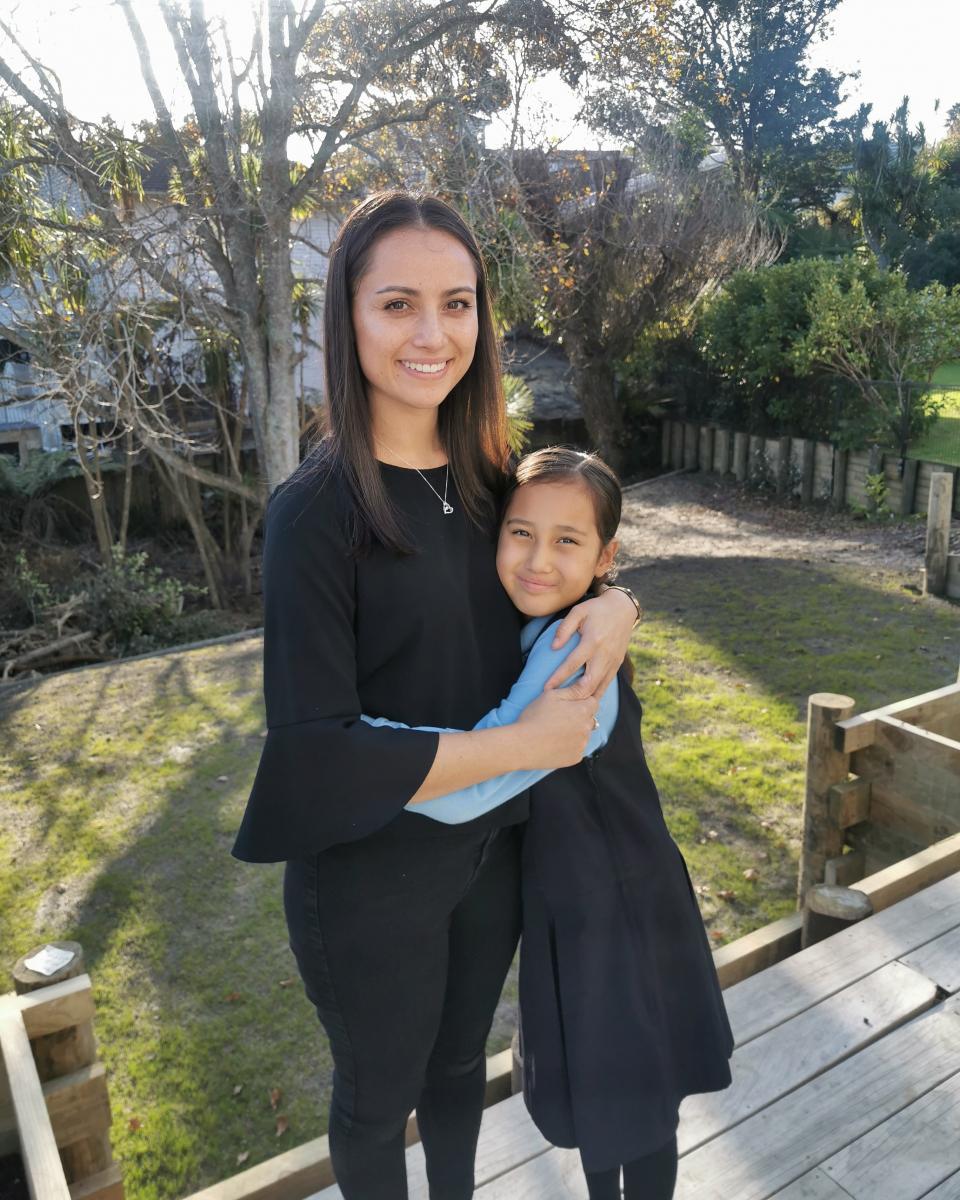
Victoria Short smelt smoke in her home, but couldn’t find any fire.
Unbeknownst to her, a book in her daughter’s bedroom had been smouldering away as she worked from another room.
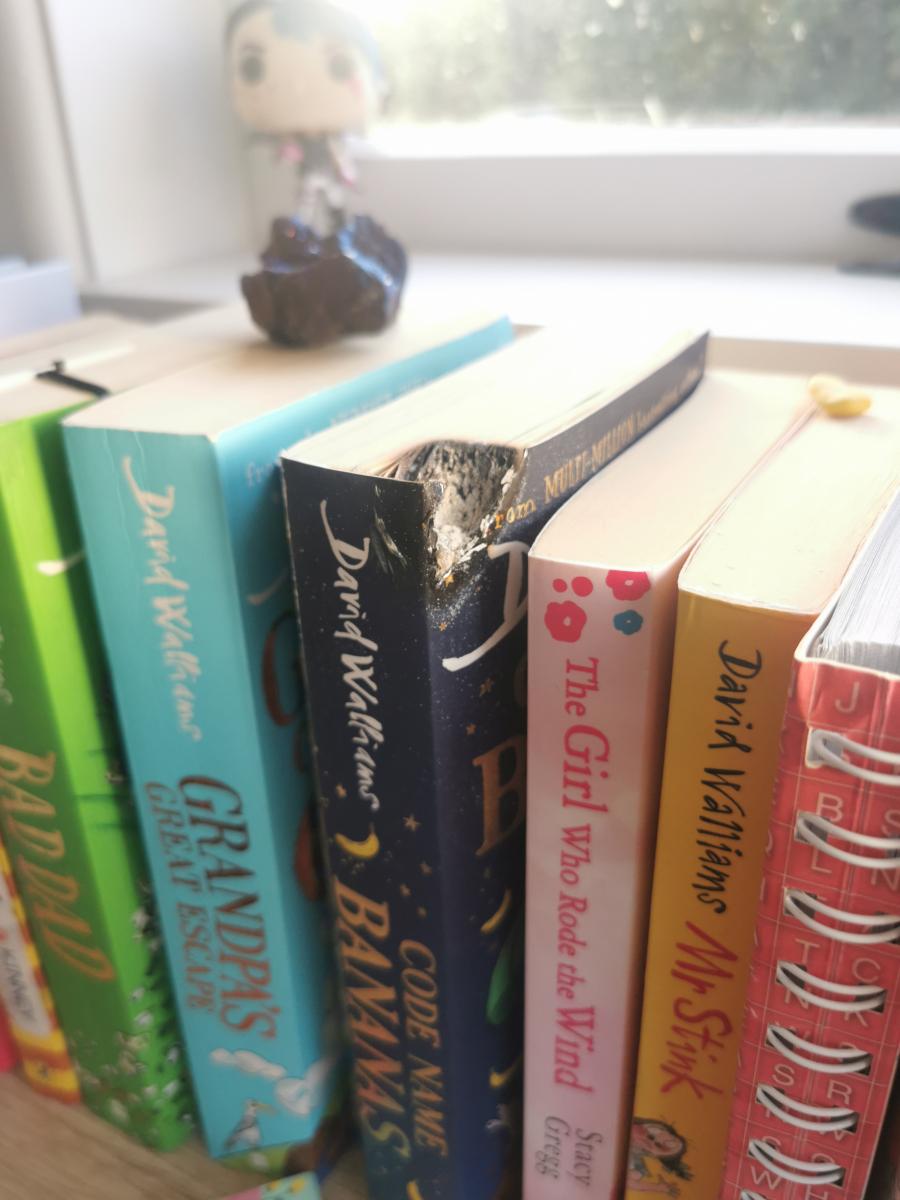
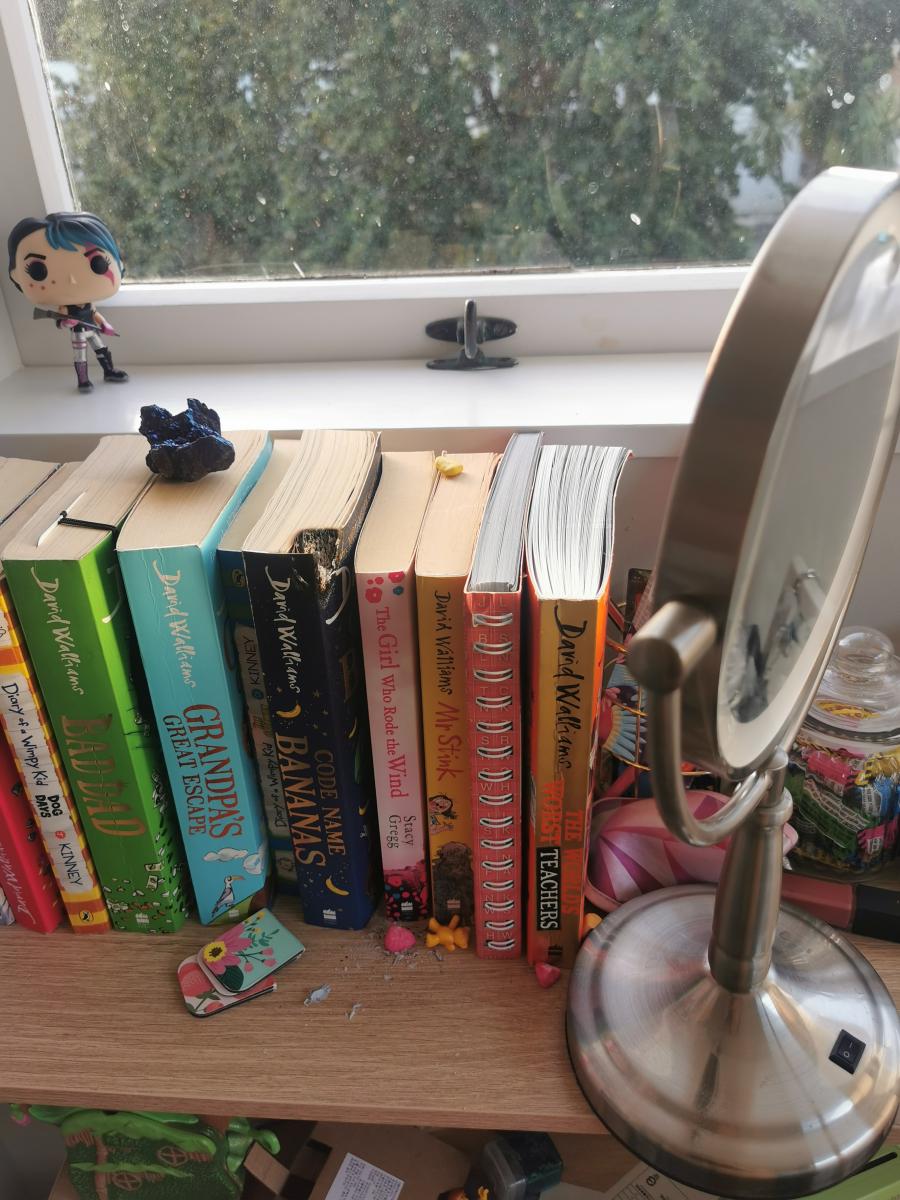
After several checks of the house offered no hints to where the smoke was coming from, Short continued work, oblivious to the fact the pages of 11-year-old Annalina’s favourite book, Code Name Bananas, were slowly becoming ash.
Annalina, who has a penchant for make-up, was gifted a dinner plate-sized desk mirror for Christmas, which had been sitting on her bookshelf beside a window ever since.
When Annalina arrived home from school, she noticed the book was burnt through its spine and halfway through the pages.
“It just didn’t make sense,” said Short, who is the deputy chair of the Hibiscus and Bays Local Board.
Upon further investigation, Short realised Annalina’s mirror was facing the bookshelf.
“The sunlight seems to have come through the window, hit the concave mirror, and perfectly reflected the magnified sunlight onto the corner of the book.”
Short said the incident made her feel sick to her stomach, adding that she felt lucky the book, and the rest of the bookshelf, didn't catch fire.
“I would never have imagined a mirror could have the potential to burn our house down, never in my wildest dreams. It’s just one of those things you never think twice about.”
After posting about the incident on Facebook, Short has heard of other people who have witnesses similar incidents, including someone who had left a drink bottle in their car which reflected the sun and burnt the seat.
The incident has “triggered a level of anxiety” for Short, who is now concerned about other reflective objects in her home, including a glass table.
She has used the incident as an opportunity to check her smoke alarms are in working order, while Annalina has found a new place to keep her mirror – in her wardrobe.
Fire and Emergency NZ national advisor for fire risk management Peter Gallagher said mirrors, glasses, ornaments and plastic water bottles can reflect and focus the sun’s rays and become a fire danger.
Fires caused by this were rare, however people should consider moving flammable items away or cover any reflective surfaces.
Has something similar happened to you? Email me at caroline.williams@stuff.co.nz

Poll: If we want to reduce speeding, what do you think actually changes driver behaviour? 🛻🚨🚓
In the Post's article on speeding penalties, the question is asked whether speeding fines are truly about road safety, or are they just a way to boost revenue for the Crown?
What do you think? Should speeding motorists receive speeding fines or demerit points?
-
38.3% The sting of a fine (Money talks!)
-
61.7% The threat of demerit points (Nobody wants to lose their license!)

*Endometriosis Awareness Month*
One in ten Kiwi girls, women, and those AFAB are living with endometriosis a painful inflammatory condition where tissue similar to the uterine lining grows outside the uterus.
Endometriosis can cause:
• Severe period pain
• Ongoing pelvic pain
• Pain with ovulation or intimacy
• Fatigue
• Digestive symptoms
While there is currently no cure, symptoms can be managed with the right support. Treatment options, nutrition changes, movement, stress management, and lifestyle adjustments can all make a meaningful difference.
Our Health Coach is here to support you alongside your GP.
She can help you:
✔ Build practical lifestyle strategies
✔ Improve nutrition to support inflammation
✔ Set achievable wellbeing goals
✔ Feel more confident managing your condition
You don’t have to navigate endometriosis alone. If you would like support, book an appointment with our Health Coach today 💛


Some Choice News!
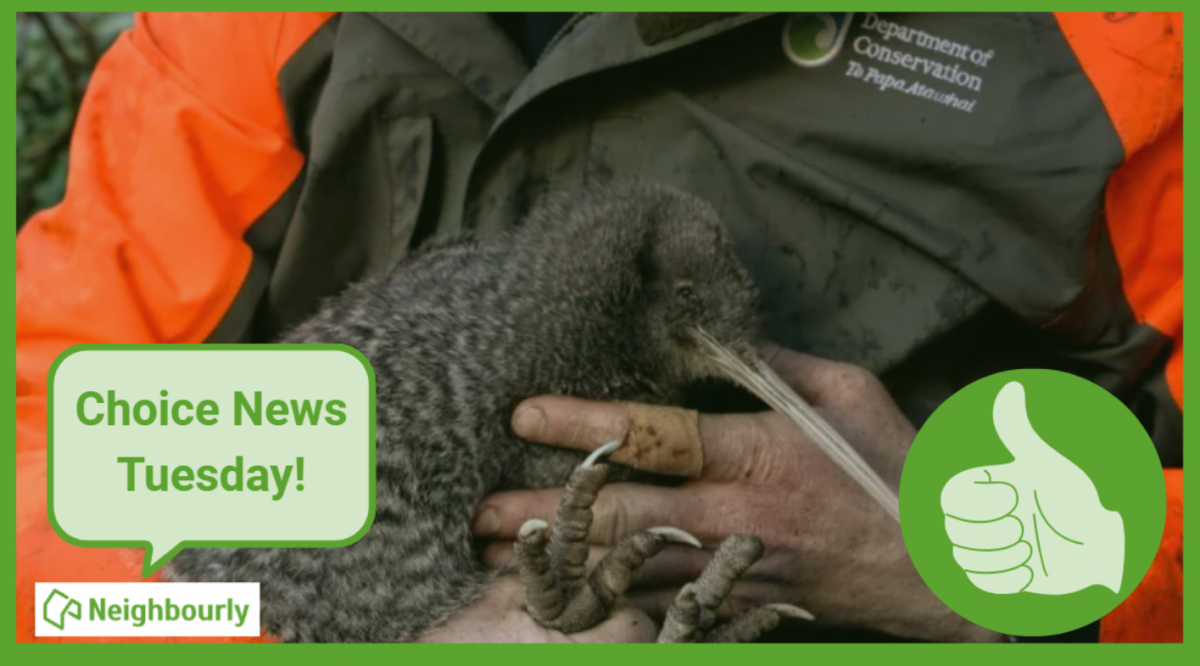
DOC is rolling out a new tool to help figure out what to tackle first when it comes to protecting our threatened species and the things putting them at risk.
Why does this matter? As Nikki Macdonald from The Post points out, we’re a country with around 4,400 threatened species. With limited time and funding, conservation has always meant making tough calls about what gets attention first.
For the first time, DOC has put real numbers around what it would take to do everything needed to properly safeguard our unique natural environment. The new BioInvest tool shows the scale of the challenge: 310,177 actions across 28,007 sites.
Now that we can see the full picture, it brings the big question into focus: how much do we, as Kiwis, truly value protecting nature — and what are we prepared to invest to make it happen?
We hope this brings a smile!
 Loading…