







After Armistice: dealing with the effects of war
As we commemorate the 101st Armistice Day, it's timely that we reflect on the aftermath of the First World War; not only the massive scale of loss, but also the ongoing suffering experienced by those who returned from the first industrialised war.
Arriving in back in Wellington, Colonel Evans pointedly reminded the soldiers of those left behind: “Remember,” he said, “When you go ashore you are not heroes. The heroes lie in France”. Having lost their comrades in the thousands, the soldiers hardly needed to be reminded of their 'luck' in making it through. Yet for those who survived, the physical and mental toll of the war was immense and for many unspeakable. Each service person confronted the psychological and emotional impact of a war unprecedented in its violence in their own personal way.
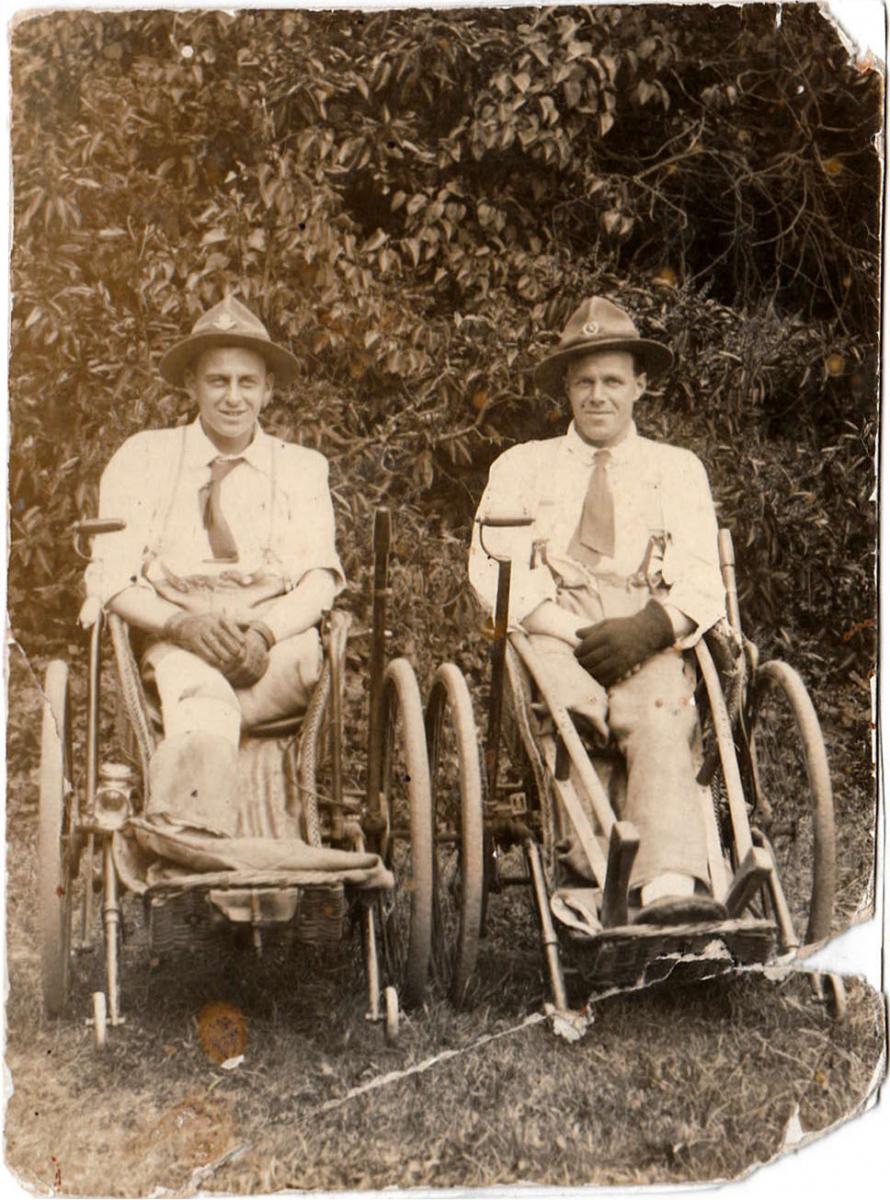
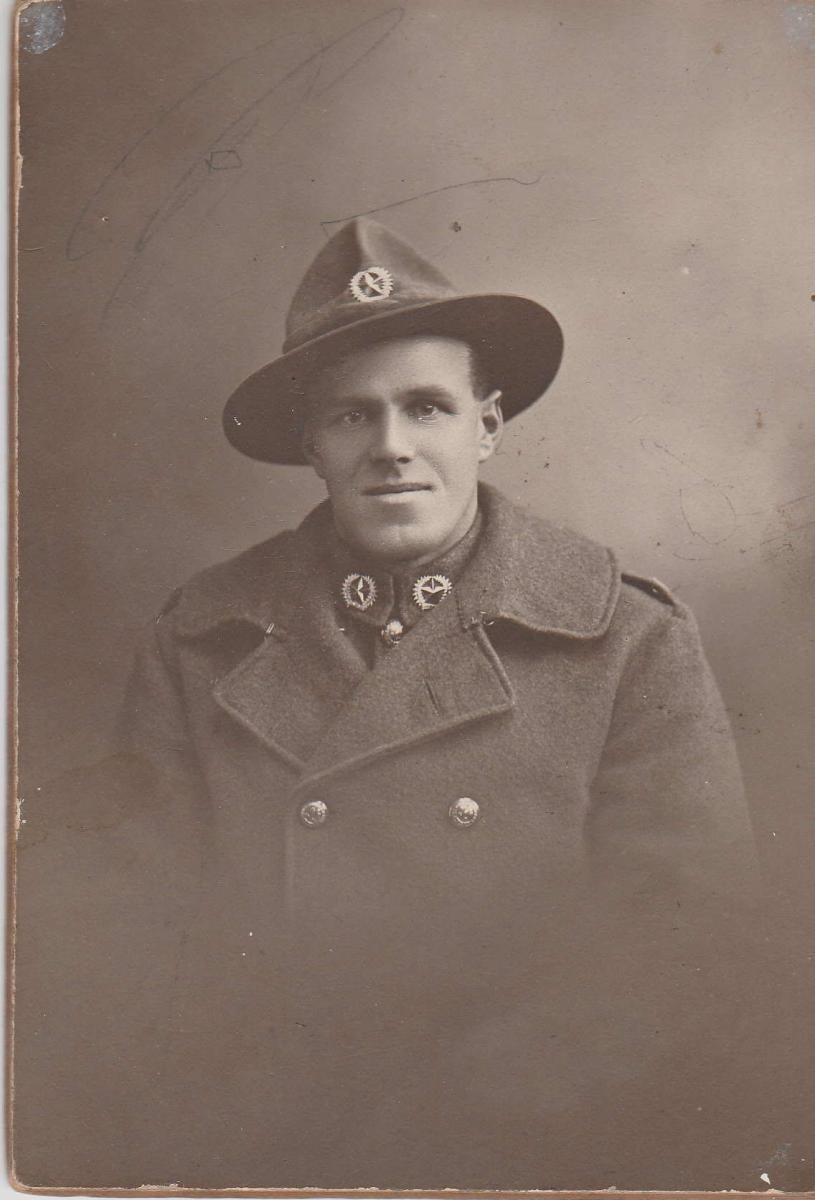
One soldier who suffered through his war service was Private Ivor Norman (Norm) Fleet 31249. A bushman who enlisted in Taumarunui, Fleet fought with the Wellington Infantry Regiment and received gunshot wounds to both legs during a clean-up operation at Bellevue Spur on 22 October 1917. His right leg was later amputated and he eventually returned to New Zealand where simply carried on with his life, marrying Elsie Petley in 1928, building his own house and forging a long and productive career. Norm rarely spoke of the war and relatives only recall seeing him in tears as his nephews left for the Second World War; a small clue to the pain that returned servicemen held inside. Like Norm, millions suffered silently in the aftermath. Today we honour their service and acknowledge the immeasurable suffering that came from it.
Lest we forget.
Find out more about Armistice Day and the Museum's collections here. www.aucklandmuseum.com...

🌉🛶 Early Birds Might Crack This One First… or Not? 🥚🧠
A person is crossing a bridge and sees a boat full of people, yet there isn't a single person on board.
How is this possible?
(Susan from Massey kindly provided this head-scratcher ... thanks, Susan!)
Do you think you know the answer? Simply 'Like' this post if you know the answer and the big reveal will be posted in the comments at 2pm on the day!
Want to stop seeing these in your newsfeed?
Head here and hover on the Following button on the top right of the page (and it will show Unfollow) and then click it. If it is giving you the option to Follow, then you've successfully unfollowed the Riddles page.

Poll: Is Auckland’s economy improving?
The latest reporting from The Post suggests a wave of optimism for 2026. With interest rates finally heading south, businesses are feeling more positive. But for many on the ground, the real-world recovery feels a bit like a slow-moving commute on Auckland's motorways.
We want to know: Are you seeing signs of Auckland's economy improving in your industry or neighbourhood? Whether it's busier shops, new projects kicking off, or just a shift in the mood ...
-
17.5% Yes
-
66.8% No
-
15.7% A little
🪱🐦 When are you the most productive? 🌙🦉
The Post has been diving into our daily habits, and research suggests being an early bird or a night owl isn’t just a choice—it’s biology! We all have that specific time when our brains finally "click" into gear.
This raises a big question for the modern workplace. To get the best out of everyone, should employers accommodate our natural body clocks? This idea is at the heart of the four-day work week and flexible scheduling movements.
We want to hear from you:
1. When does your brain "click" into gear?
2. Would a flexible (or shortened) schedule change the way you work?

 Loading…