






Food safety – tips for summer
1. Buy food that is safe
Check the ‘use by’ date to make sure food is fresh when you buy it. Avoid food with damaged packaging and buy fruit and vegetables that are slightly unripe or only just ripe – especially if you don't plan to eat them straight away.
2. Gathered food
Always wash food that you or others have gathered, such as pūha or watercress. If you gather kai moana or seafood, check that the place you are collecting from is clean and free of pollution.
3. Keep hands and surfaces clean
Wash your hands before and after you handle raw foods. Make sure benchtops, cooking tools and barbecues are clean before you use them. When you prepare the meal, use separate utensils, plates and other tools to handle raw and cooked foods. After the meal, clean your benchtops and cooking tools well.
4. Rinse all fruits and veg
Rinse all of your fruit and vegetables under cold running water and then dry them with a clean cloth to help remove dirt and bacteria.
5. Preparing chicken
Chicken is the main offender for spreading serious tummy bugs. It needs careful handling when it's raw. You might be great at remembering to wash your hands before and after touching raw chicken, but do you get carried away and wash the chicken before you prepare it? This common practice is a big no-no. Washing chicken in your kitchen sink can lead to contamination of your work surfaces, cloths and cooking utensils. Keep a special chopping board for preparing chicken and don't use that board for chopping up fruit and vegetables. Don't use the same knife to cut up chicken and other foods until it's been well washed.
6. Keep cold foods cold
Set your fridge temperature between 2°C and 4°C. Most harmful bacteria cannot grow at low temperatures.
Keep cold dishes like salads and puddings in the fridge until you’re ready to eat them. Store raw meats and seafood in the fridge until right before you cook them. Cover them and place them on the fridge’s bottom shelf so their juices can’t drip onto other food. Keep meat products away from ready-to-eat food such as fruit and vegetables. Other meat and seafood (kai moana) are sources of bacterial contamination, not just chicken.
If you’re eating outdoors, use an icepack or chilly bin to keep food cold.
7. Fully cook meats and seafood
Cook chicken, mince and sausages right through, and cook pork and poultry until the juices run clear. Use a meat thermometer to check that your meat has been cooked to a safe temperature – at least 75°C in the thickest part of the meat.
You can take a vacuum-packed cooked ham straight from the fridge to the table. But if you like to glaze your ham and serve it hot, cook it at 160°C for 20 minutes per kilogram. You want the inside to reach at least 60°C – use a meat thermometer to check the temperature.
Eating cold ham of any kind when you are pregnant can come with the risk of a serious infection called listeria, which is harmful to the baby. Instead, cook or reheat ham until it’s piping hot (over 70°C) and eat it straight away. Learn more about how to eat safely when you're pregnant(external link).
8. Cover all dishes
Cover any dishes that are sitting out on the benchtop or table to protect your food from flies, ants and other bugs. Don’t leave them out of the fridge for more than 2 hours. Or store them in the fridge while your guests enjoy their first serving, then bring them back out when it’s time for the next course. If you think that food has been left out of the fridge for 4 or more hours, it is better to throw it out than risk getting sick. If in doubt, don't eat it!
9. Store leftovers carefully
Refrigerate or freeze leftover food within 2 hours after it was cooked, sealed in a clean, airtight container. You can keep a cooked cured ham in the fridge for up to 2 weeks. Cover it with a clean damp tea towel and change the towel every day.
Reheat leftovers until they are steaming hot (over 75°C), stirring well so they heat all the way through.
10. Food safety in pregnancy
When you're pregnant (hapū) you have lower immunity which puts you at greater risk of food-related illnesses such as listeriosis and toxoplasmosis. These can be dangerous for you and your child. To be safe:
wash and dry your hands carefully before handling food
clean, cook and chill foods
store leftover food in the fridge and don't eat them after 2 days
avoid high-risk foods(external link).
11. Most importantly
If you've been unwell or have any symptoms of sickness, leave the food preparation and serving to others. Don't risk passing on your germs to your whānau.
=====================================================

🎉 Riddle me this, legends! 🎉
He/She who makes it, sells it.
He/She who buys it, doesn't use it.
The user doesn't know they are using it.
What is it?
(Shezz from Ngāruawāhia kindly provided this head-scratcher ... thanks, Shezz!)
Do you think you know the answer? Simply 'Like' this post if you know the answer and the big reveal will be posted in the comments at 2pm on the day!
Want to stop seeing these in your newsfeed?
Head here and hover on the Following button on the top right of the page (and it will show Unfollow) and then click it. If it is giving you the option to Follow, then you've successfully unfollowed the Riddles page.


Scam Alert: Bank cold calls
ASB is warning customers about reports of cold calls from scammers claiming to be from ASB. These scammers are trying to obtain personal information, including usernames, dates of birth, and verification codes sent to your mobile phone.
🛡️ The "Caller Check" Test
If you get a call from someone claiming to be from ASB and you’re unsure, just ask them for a Caller Check. You will then be able to verify the call through the app.
Remember, banks will:
❌ Never ask for your banking passwords, PINs, or verification codes
❌ Never need to know your full credit card number – especially the CVC
❌ Never ask you to download software or remotely access your device
❌ Never ask you to purchase gift cards or transfer funds.
If you have received a phone call and think your account has been compromised, call ASB on 0800 ASB FRAUD (0800 272 372), or visit your local branch.
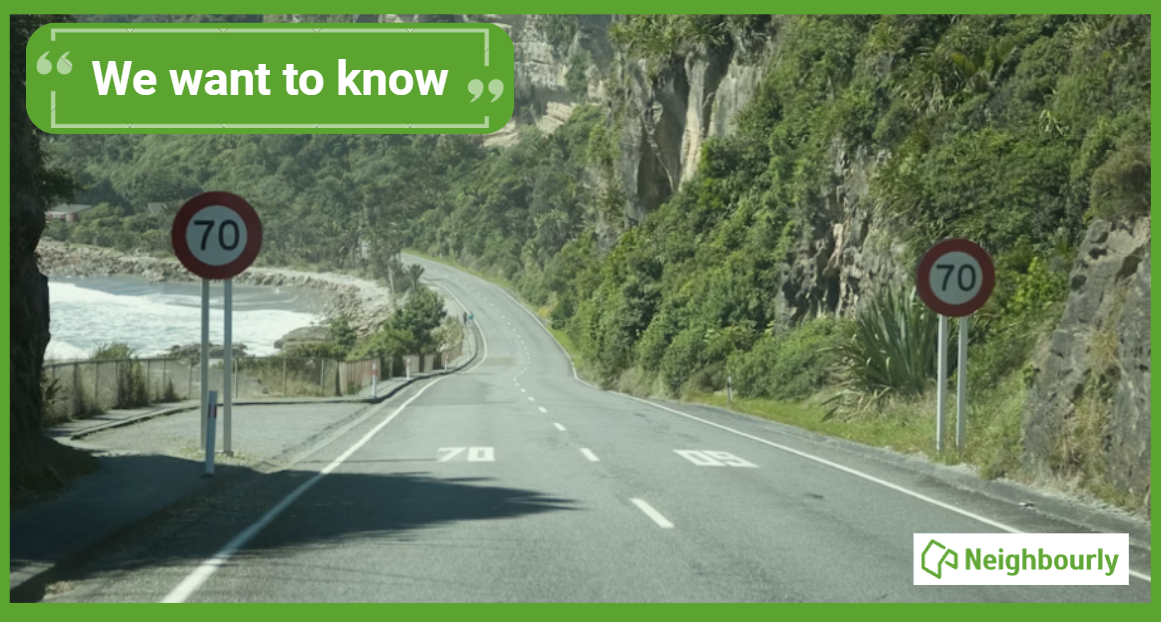
Poll: If we want to reduce speeding, what do you think actually changes driver behaviour? 🛻🚨🚓
In the Post's article on speeding penalties, the question is asked whether speeding fines are truly about road safety, or are they just a way to boost revenue for the Crown?
What do you think? Should speeding motorists receive speeding fines or demerit points?
-
37% The sting of a fine (Money talks!)
-
63% The threat of demerit points (Nobody wants to lose their license!)
 Loading…