






Speed camera-equipped SUVs: How many drivers have been caught speeding?
The New Zealand Transport Agency's new speed camera-equipped SUVs detected nearly 70,000 driving offences in their first four months of operation.
The nondescript SUVs first hit the road in May, replacing police vans, when NZTA took over control of New Zealand's speed enforcement tools. There are now 34 SUVs in operation up and down the country, alongside camera-equipped trailers.
According to numbers released by NZTA, the mobile SUV cameras detected 67,308 offences (Activation Notices, Infringement Notices, and Traffic Offence Notices) between May 12 and August 21.
The cameras generated $928,960 in fines, with all revenue allocated to the Government Consolidated Fund – not NZTA.
One camera detected 5179 speeding offences, while another issued $104,270 in fines.
The SUVs, were designed to resemble any other vehicle that motorists may spot parked on the side of the road.
The cameras are deployed on an "anytime, anywhere" basis.
NZTA head of regulatory strategic programmes Tara Macmillan previously told 1News: “Mobile cameras will be used in places where there is a risk of people being killed or seriously injured in a crash.
"Evidence shows that unsigned mobile safety cameras are twice as effective at reducing crashes as sign-posted cameras.
"So, while our safety cameras in SUVs and trailers will be visible to drivers and will not be hidden, they won’t be signposted.”
The tools were praised by AA, with spokesperson Dylan Thomsen previously telling 1News they would be effective in changing driver behaviour and, in turn, keeping the roads safe.
"The SUVs are just a lot more nondescript and don't really look any different – it could just be a parked vehicle ahead on an urban road or on a highway. It could be a vehicle that's broken down or pulled over at the side.
"If you're a driver that likes to travel around/ above the speed limit or in the past has liked to travel around/ above the speed limit and then slow down when you've spotted one of those vans up ahead, you are going to be more likely to be caught in the future or now, because it is a lot harder to see one of those parked SUVs."
The SUVs were one of several new tools introduced by NZTA, with trailers and new average speed cameras popping up across the country.
NZTA's static cameras issued a total of 79,364 infringement notices between July 1 and August 31. The total dollar value of all infringements from NZTA's first two months was $4.78 million.
Macmillan said the purpose of speed cameras was to reduce harm on the roads and not generate revenue.
"The evidence clearly shows that where safety cameras have been used in New Zealand and overseas, they reduce speeds and reduce the harm caused by crashes. Because of this, they’re proven to significantly reduce deaths and serious injuries.
"Speed can be the difference between death, a life-changing injury and walking away from a crash unharmed. Alongside other improvements, safety cameras will contribute to a transport system that protects us all."
=====================================================

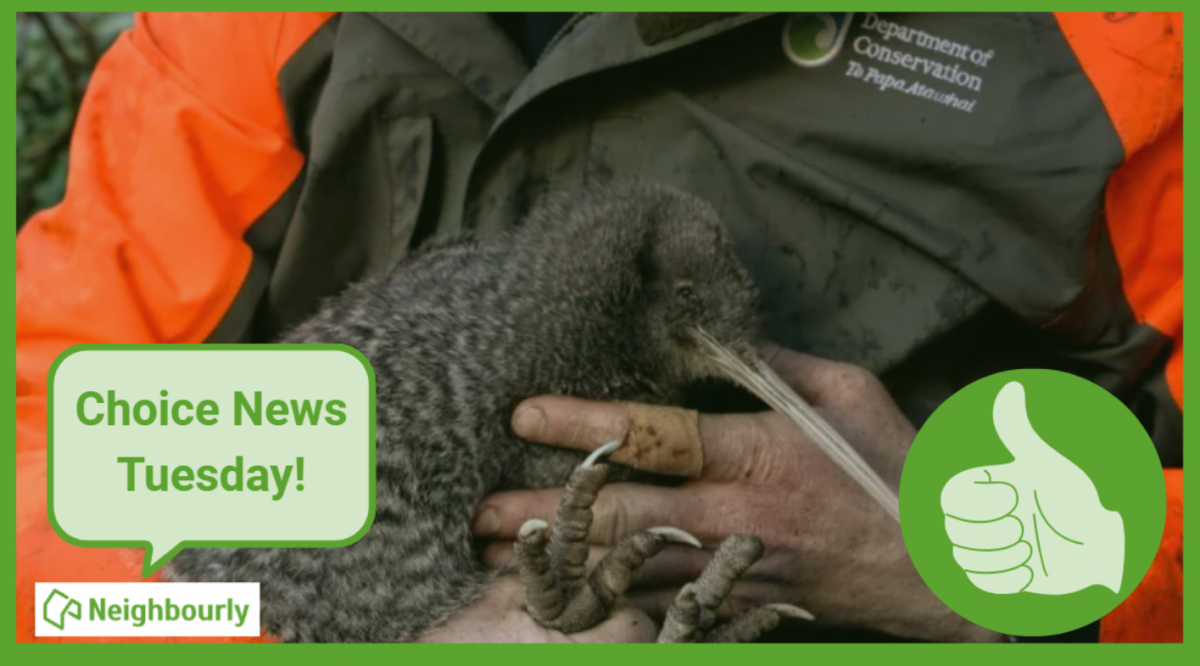
Some Choice News!
DOC is rolling out a new tool to help figure out what to tackle first when it comes to protecting our threatened species and the things putting them at risk.
Why does this matter? As Nikki Macdonald from The Post points out, we’re a country with around 4,400 threatened species. With limited time and funding, conservation has always meant making tough calls about what gets attention first.
For the first time, DOC has put real numbers around what it would take to do everything needed to properly safeguard our unique natural environment. The new BioInvest tool shows the scale of the challenge: 310,177 actions across 28,007 sites.
Now that we can see the full picture, it brings the big question into focus: how much do we, as Kiwis, truly value protecting nature — and what are we prepared to invest to make it happen?
We hope this brings a smile!

🎉 Riddle me this, legends! 🎉
He/She who makes it, sells it.
He/She who buys it, doesn't use it.
The user doesn't know they are using it.
What is it?
(Shezz from Ngāruawāhia kindly provided this head-scratcher ... thanks, Shezz!)
Do you think you know the answer? Simply 'Like' this post if you know the answer and the big reveal will be posted in the comments at 2pm on the day!
Want to stop seeing these in your newsfeed?
Head here and hover on the Following button on the top right of the page (and it will show Unfollow) and then click it. If it is giving you the option to Follow, then you've successfully unfollowed the Riddles page.


Scam Alert: Bank cold calls
ASB is warning customers about reports of cold calls from scammers claiming to be from ASB. These scammers are trying to obtain personal information, including usernames, dates of birth, and verification codes sent to your mobile phone.
🛡️ The "Caller Check" Test
If you get a call from someone claiming to be from ASB and you’re unsure, just ask them for a Caller Check. You will then be able to verify the call through the app.
Remember, banks will:
❌ Never ask for your banking passwords, PINs, or verification codes
❌ Never need to know your full credit card number – especially the CVC
❌ Never ask you to download software or remotely access your device
❌ Never ask you to purchase gift cards or transfer funds.
If you have received a phone call and think your account has been compromised, call ASB on 0800 ASB FRAUD (0800 272 372), or visit your local branch.
 Loading…