






7 Silent Blood Clot Symptoms to Watch Out For
What is a blood clot?
=================
Blood clots normally form after an injury to protect your body from losing too much blood, but they can also develop in an artery or vein even if there is no obvious injury. Complications can occur if it doesn't dissolve naturally or if you don't get treatment. The signs and symptoms of a blood clot differ depending on where it is—in the heart, brain, arm, leg, lung, or abdomen. Some of these symptoms are common in other health issues, so always consult with your doctor, and keep in mind that it's not uncommon for clots to cause no symptoms at all. That being said, it's important to know the silent signs and symptoms of blood clots to watch out for.
Leg cramps
==========
People who have experienced a blood clot in the leg say they've felt cramps or pain similar to a charley horse. A blood clot that forms in a major vein, often in the lower limbs, is called a deep vein thrombosis (DVT), and it can cause leg aches, pain, and cramping. The clots can develop slowly or appear suddenly, specifically after a prolonged time in a sitting or cramped position, like on a long-distance flight.
"Ignoring a blood clot in the leg for even a day can end up in a pulmonary embolism, which is much more dangerous," according to Kristine Arthur, MD, an internist at Orange Coast Memorial Medical Center in Fountain Valley, California. A pulmonary embolism can occur if a portion of the clot in the legs breaks off and travels to the lungs. About 1 in 3 people with DVT will have a pulmonary embolism, which is a potentially life-threatening medical emergency.
Back pain
========
Back pain might not seem like one of the likely blood clot symptoms, but it can be an indication that a blood clot is present in the pelvic area or in the inferior vena cava, which is the major abdominal vein. According to the American College of Cardiology, 2.6 to 4% of people with DVT have inferior vena cava thrombosis. Although blood clot-related back pain seems to be one of the more rare symptoms, these types of clots can result in permanent damage if not treated, as they cut off blood to the extremities. If you experience this along with other blood clot symptoms, contact your doctor.
Discolored skin
==============
A blood clot disrupts normal blood flow, and it can result in discolored skin. If an area of one leg appears to be red or has a different color in any way, a blood clot is one possible cause. This symptom should be checked by your doctor, according to the Centers for Disease Control and Prevention (CDC).
Skin is warm to the touch
====================
Another common blood clot symptom is a variation in temperature where the clot is suspected. Much like the discoloration, this is caused by a disruption of blood flow. If this temperature variation continues and you have a history of increased risk of blood clots, call your doctor. Usually, these three symptoms appear together: Warm skin, leg cramps, and discolored skin.
Swelling
=======
Swelling in the arm, hand, foot, ankle, or leg is one of the most common signs of a blood clot, according to the CDC. Blood clots are only one of the reasons why a body part may suddenly feel swollen.
Excessive sweating
================
When paired with other symptoms, excessive sweating can be one of the blood clot symptoms you shouldn't ignore, located in either the lung or heart. These are very serious types of blood clots that should be treated immediately as a medical emergency.
Shortness of breath
=================
A pulmonary embolism, when a blood clot blocks a vessel in the lung, can cause symptoms like shortness of breath, difficulty breathing, and chest pain. Another lesser-known symptom of a blood clot in the lungs is back pain. In some cases, people with a pulmonary embolism may have a drop in blood pressure and pass out, or they may even cough up blood.
These symptoms are a medical emergency, but any clot symptoms should be taken seriously and investigated by your doctor. In addition to prolonged sitting, other risk factors for DVT and clot formation are injuries, including fractures and major surgery; chronic conditions, like heart and lung disease; confinement to a bed; pregnancy; and hormone use, such as birth control pills.
=====================================================

Some Choice News!
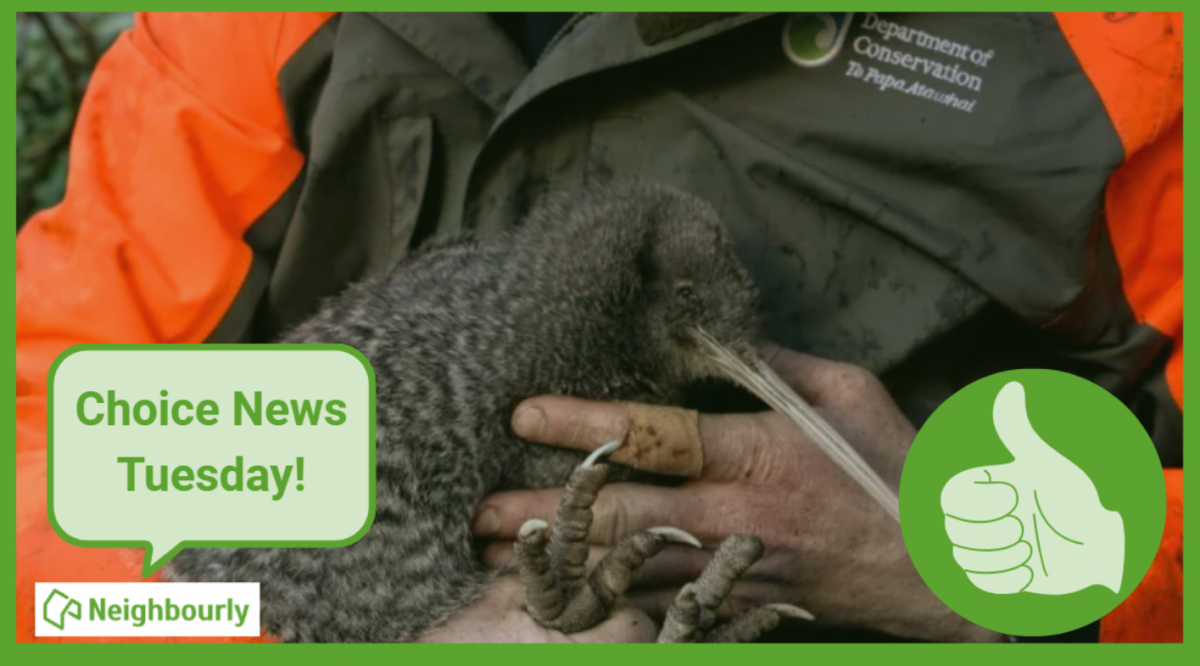
DOC is rolling out a new tool to help figure out what to tackle first when it comes to protecting our threatened species and the things putting them at risk.
Why does this matter? As Nikki Macdonald from The Post points out, we’re a country with around 4,400 threatened species. With limited time and funding, conservation has always meant making tough calls about what gets attention first.
For the first time, DOC has put real numbers around what it would take to do everything needed to properly safeguard our unique natural environment. The new BioInvest tool shows the scale of the challenge: 310,177 actions across 28,007 sites.
Now that we can see the full picture, it brings the big question into focus: how much do we, as Kiwis, truly value protecting nature — and what are we prepared to invest to make it happen?
We hope this brings a smile!

🎉 Riddle me this, legends! 🎉
He/She who makes it, sells it.
He/She who buys it, doesn't use it.
The user doesn't know they are using it.
What is it?
(Shezz from Ngāruawāhia kindly provided this head-scratcher ... thanks, Shezz!)
Do you think you know the answer? Simply 'Like' this post if you know the answer and the big reveal will be posted in the comments at 2pm on the day!
Want to stop seeing these in your newsfeed?
Head here and hover on the Following button on the top right of the page (and it will show Unfollow) and then click it. If it is giving you the option to Follow, then you've successfully unfollowed the Riddles page.

Scam Alert: Bank cold calls
ASB is warning customers about reports of cold calls from scammers claiming to be from ASB. These scammers are trying to obtain personal information, including usernames, dates of birth, and verification codes sent to your mobile phone.
🛡️ The "Caller Check" Test
If you get a call from someone claiming to be from ASB and you’re unsure, just ask them for a Caller Check. You will then be able to verify the call through the app.
Remember, banks will:
❌ Never ask for your banking passwords, PINs, or verification codes
❌ Never need to know your full credit card number – especially the CVC
❌ Never ask you to download software or remotely access your device
❌ Never ask you to purchase gift cards or transfer funds.
If you have received a phone call and think your account has been compromised, call ASB on 0800 ASB FRAUD (0800 272 372), or visit your local branch.
 Loading…