






BUYER BEWARE---The supermarket deals that are too good to be true – and how to spot them
We’ve all felt it – that small thrill when you spot a yellow “special” tag on the shelf or see a loyalty discount appear on your receipt. But in New Zealand, not every bargain is what it seems. Watchdogs say pricing errors and misleading promotions may be costing shoppers millions each year, and some supermarkets are now facing criminal charges for alleged breaches of the Fair Trading Act.
What the law says
===============
Under the Fair Trading Act 1986, retailers must not mislead or deceive consumers about prices or promotions. Advertising a discount that is not genuine, or charging more at the checkout than the shelf price, can breach the act.
The Commerce Commission has warned that supermarket pricing inaccuracies “can lead to consumers paying more than they should”. Grocery Commissioner Pierre van Heerden said in May 2024 that if even a small percentage of transactions are wrong, “New Zealanders could be losing tens of millions of dollars a year from supermarket pricing errors”.
In December 2024, the Commission announced it had filed criminal charges under the Fair Trading Act against Woolworths New Zealand Ltd and the operators of Pak’nSave Silverdale and Pak’nSave Mill Street for alleged inaccurate pricing and misleading “specials”. The companies have said they are cooperating fully and the proceedings are ongoing.
The consumer push-back
====================
Public frustration over scanning errors and endless specials led Consumer NZ to launch its Price It Right campaign in 2024. The organisation is calling for a mandatory pricing-accuracy code and automatic refunds where scanned prices exceed shelf prices. It reports receiving hundreds of examples from shoppers through its website.
Chief executive Jon Duffy said at the launch: “Shoppers deserve confidence that the price they see is the price they pay.”
Loyalty maths – small print, small returns
==================================
Supermarket loyalty schemes are legal but often over-promised. Programmes such as Onecard, Clubcard and Flybuys offer member pricing or points that typically return around 0.5–1% of spending, depending on redemption. In other words, a $100 shop may yield roughly $1 in value.
Consumer NZ’s 2024 supermarket survey found more than half of respondents don’t trust specials or loyalty discounts, and many dislike how their data is shared with partner companies. These arrangements are permitted, but the perception gap suggests loyalty perks should be viewed as modest bonuses, not game-changing savings.
Four red flags to watch for
======================
The phantom “was” price: When a product says “was $10, now $8”, the higher price must have been charged for a reasonable period. Otherwise, it may be misleading under the Fair Trading Act.
The multibuy trap: “Two for $5” isn’t always cheaper. Compare the unit price – the cost per 100g or per item printed on the shelf label.
Shelf-to-till mismatch: If an item scans higher than the displayed price, you are legally entitled to pay the lower one. Consumer NZ argues supermarkets should automatically refund the difference.
Perpetual specials: When an item is almost always “on special”, that may suggest the “regular” price is theoretical. The act requires discounts to represent genuine, time-limited reductions.
Five quick ways to check a deal
==========================
Compare unit prices. It’s the fairest way to judge value across sizes and brands.
Keep photos of regular buys. A quick snapshot shows whether a current special is truly cheaper.
Do the maths. If the saving is marginal, it may just be marketing.
Mind expiry dates. Deep discounts on near-dated stock aren’t bargains if half goes to waste.
Check your receipt before leaving. Pricing mistakes are easiest to fix on the spot.
Why it matters
============
Supermarkets process thousands of price changes every day, so occasional mistakes are inevitable. But repeated errors or perpetual specials undermine trust, especially when grocery costs are rising faster than inflation.
Stats NZ data shows food prices increased 4.6% in the year to June 2025, driven largely by higher dairy, meat and produce costs. That makes accurate pricing and transparent discounting more important than ever.
The Commerce Commission’s ongoing grocery market study aims to improve competition and clarity. Until stronger safeguards arrive, individual vigilance remains the best defence.
A genuine bargain is one you can verify, not just one wrapped in yellow signage. If the maths works, enjoy the saving. If it doesn’t, walk away.
True deals still exist – they just take sharper eyes and a little arithmetic to find them.
=====================================================

Some Choice News!
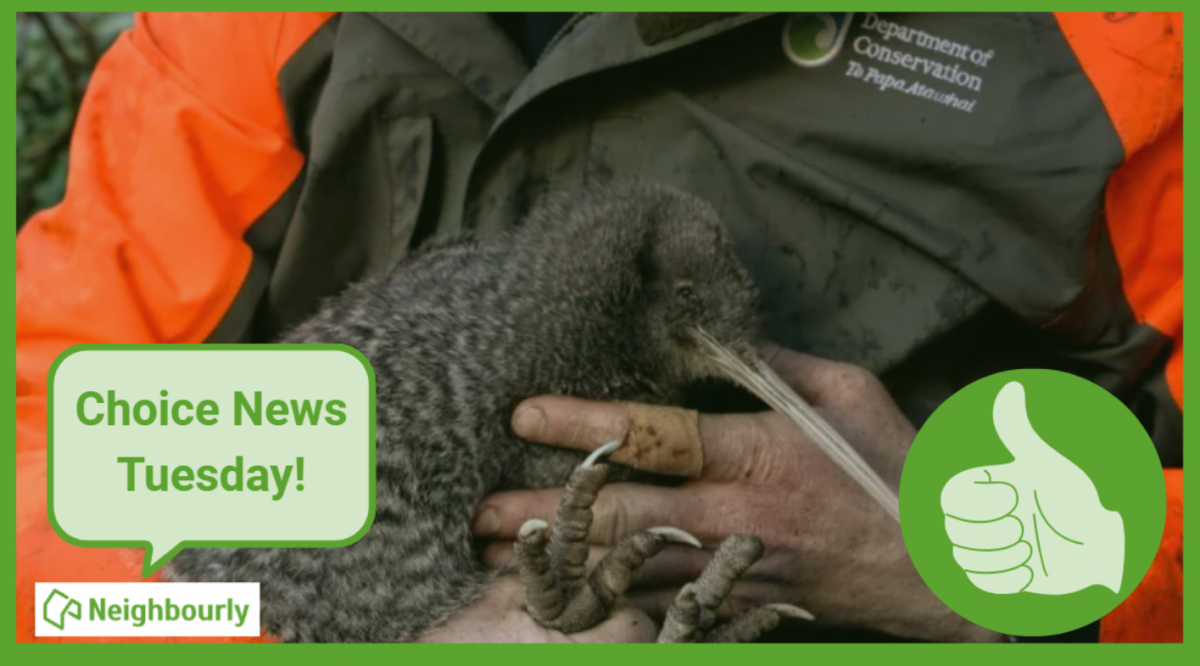
DOC is rolling out a new tool to help figure out what to tackle first when it comes to protecting our threatened species and the things putting them at risk.
Why does this matter? As Nikki Macdonald from The Post points out, we’re a country with around 4,400 threatened species. With limited time and funding, conservation has always meant making tough calls about what gets attention first.
For the first time, DOC has put real numbers around what it would take to do everything needed to properly safeguard our unique natural environment. The new BioInvest tool shows the scale of the challenge: 310,177 actions across 28,007 sites.
Now that we can see the full picture, it brings the big question into focus: how much do we, as Kiwis, truly value protecting nature — and what are we prepared to invest to make it happen?
We hope this brings a smile!

🎉 Riddle me this, legends! 🎉
He/She who makes it, sells it.
He/She who buys it, doesn't use it.
The user doesn't know they are using it.
What is it?
(Shezz from Ngāruawāhia kindly provided this head-scratcher ... thanks, Shezz!)
Do you think you know the answer? Simply 'Like' this post if you know the answer and the big reveal will be posted in the comments at 2pm on the day!
Want to stop seeing these in your newsfeed?
Head here and hover on the Following button on the top right of the page (and it will show Unfollow) and then click it. If it is giving you the option to Follow, then you've successfully unfollowed the Riddles page.


Scam Alert: Bank cold calls
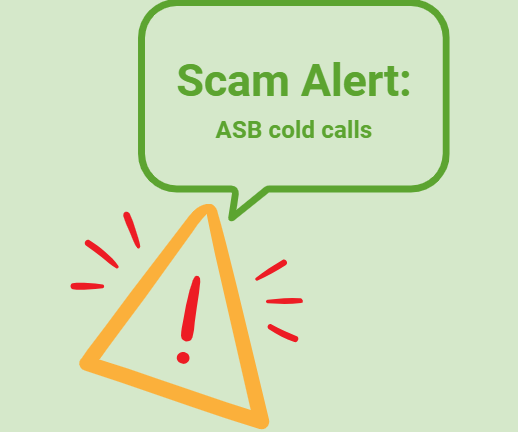
ASB is warning customers about reports of cold calls from scammers claiming to be from ASB. These scammers are trying to obtain personal information, including usernames, dates of birth, and verification codes sent to your mobile phone.
🛡️ The "Caller Check" Test
If you get a call from someone claiming to be from ASB and you’re unsure, just ask them for a Caller Check. You will then be able to verify the call through the app.
Remember, banks will:
❌ Never ask for your banking passwords, PINs, or verification codes
❌ Never need to know your full credit card number – especially the CVC
❌ Never ask you to download software or remotely access your device
❌ Never ask you to purchase gift cards or transfer funds.
If you have received a phone call and think your account has been compromised, call ASB on 0800 ASB FRAUD (0800 272 372), or visit your local branch.
 Loading…