






Auckland tenants ordered to pay $27k for dog‑damaged rental home
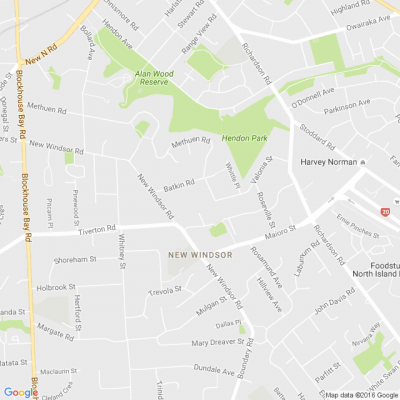
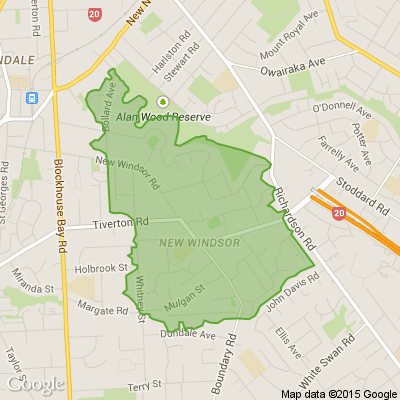
A property manager was forced to cut her final inspection of an Auckland rental property short after being greeted by hundreds of flies, a strong stench of dog poo and urine-soaked carpet.
The Barfoot and Thompson property manager said she could barely enter the property due to the smell of dog urine and faeces.
She was so concerned about the state of the house, she shortened the report to one overall category, noting there were a number of areas that were intentionally damaged by the tenants, Barry Phillips and Tessa Boyd, and their two dogs and six puppies.
“The dogs have defecated and urinated all over the floors, and the stench was very strong,’' Keely Stubbs, the head of property management for the agency’s Mt Eden branch, said in her final inspection report of the Massey house.
“There were hundreds of flies. The floor at the entrance to the first bedroom has been damaged. It appears to be wet from urine.”
Wet items were left on the downstairs floor, the front door wasn’t secure, and the keys hadn’t been returned.
Now the Tenancy Tribunal has awarded the landlords – Barfoot and Thompson as agents for Rysy Investments – $27,000, saying the pair must have known the damage that was being done during their four-year tenancy.
“The tenants allowed a situation where they had six puppies inside, toileting all over the flooring and carpet for a series of months,” tribunal adjudicator Melissa Allan said in a recently released decision.
“The tenants must have known the damage was a certainty.”
Scratch marks, holes in couches, piles of rubbish
=======================================
According to the decision, the house wasn’t always in such a poor state. Photos presented at the hearing, taken in May 2023, show the house in a fairly tidy condition, except for two damaged doors, a large pile of rubbish in the laundry, and unkempt lawns.
During that inspection, it was also discovered that the tenants had two dogs (only one of which was permitted) and puppies, which were all housed inside.
The tenants, who were supposed to move out in September 2023, successfully sought a three-month extension, giving them time to re-home the puppies, repair the two doors and maintain the lawns.
But after the tenants left, photos showed the carpet in the bedrooms and hallway was covered in urine and faeces, as was the laminate flooring in the lounge and the terracotta tiles downstairs.
There were scratch marks all over the walls, and some of the carpet had been scratched and torn. A couch in one room had been upended, with the stuffing torn out and covering most of the floor. A window was broken, and there were holes in the walls.
The tenants also left behind a fridge full of food, multiple couches, a double bed and mattress, various drawers, a table, and chairs, a TV cabinet, and huge piles of what appeared to be soiled bedding.
Rubbish was left under the house and strewn throughout the garden.
Barfoot and Thompson asked the Tenancy Tribunal for rent arrears and compensation.
While the decision noted the landlord had claimed insurance for some of the damage, it didn’t cover all of it, including the cost of repairing the flooring, because the insurers believed it was gradual damage.
Soft and swollen particle board
=========================
The landlord said the flooring was so badly damaged that all the carpet, timber underlay, and the vinyl in the kitchen had to be removed.
The floors in the hallway and bedroom also had to be cut out and replaced as the urine had softened and swollen the particle board. Photos showed it was heavily stained and damaged.
Taking into account depreciation and betterment, the tribunal awarded the landlord $23,118 for repairs to the flooring.
A further $5000 was awarded for removing rubbish both inside and under the house, bringing the total award to $27,391.
=======================================================

Some Choice News!
DOC is rolling out a new tool to help figure out what to tackle first when it comes to protecting our threatened species and the things putting them at risk.
Why does this matter? As Nikki Macdonald from The Post points out, we’re a country with around 4,400 threatened species. With limited time and funding, conservation has always meant making tough calls about what gets attention first.
For the first time, DOC has put real numbers around what it would take to do everything needed to properly safeguard our unique natural environment. The new BioInvest tool shows the scale of the challenge: 310,177 actions across 28,007 sites.
Now that we can see the full picture, it brings the big question into focus: how much do we, as Kiwis, truly value protecting nature — and what are we prepared to invest to make it happen?
We hope this brings a smile!


🎉 Riddle me this, legends! 🎉
He/She who makes it, sells it.
He/She who buys it, doesn't use it.
The user doesn't know they are using it.
What is it?
(Shezz from Ngāruawāhia kindly provided this head-scratcher ... thanks, Shezz!)
Do you think you know the answer? Simply 'Like' this post if you know the answer and the big reveal will be posted in the comments at 2pm on the day!
Want to stop seeing these in your newsfeed?
Head here and hover on the Following button on the top right of the page (and it will show Unfollow) and then click it. If it is giving you the option to Follow, then you've successfully unfollowed the Riddles page.


Scam Alert: Bank cold calls
ASB is warning customers about reports of cold calls from scammers claiming to be from ASB. These scammers are trying to obtain personal information, including usernames, dates of birth, and verification codes sent to your mobile phone.
🛡️ The "Caller Check" Test
If you get a call from someone claiming to be from ASB and you’re unsure, just ask them for a Caller Check. You will then be able to verify the call through the app.
Remember, banks will:
❌ Never ask for your banking passwords, PINs, or verification codes
❌ Never need to know your full credit card number – especially the CVC
❌ Never ask you to download software or remotely access your device
❌ Never ask you to purchase gift cards or transfer funds.
If you have received a phone call and think your account has been compromised, call ASB on 0800 ASB FRAUD (0800 272 372), or visit your local branch.
 Loading…