






Baby formula from Chemist Warehouse under investigation after mum allegedly finds bugs
A South Auckland mother has been left “disturbed” after discovering what she believes to be live bugs inside a newly opened tin baby formula.
The Aptamil product was bought last Thursday at Chemist Warehouse’s Takanini store and carried an expiry date of June 20, 2027.
Danone, the French multinational company behind Aptamil, told the Herald it had stringent quality and safety processes in place and considered it “unlikely that an insect can remain alive in a sealed can in a low oxygen, low moisture environment”.
The company had not received any similar reports from the same batch and was investigating the complaint.
Jenny Bishop, New Zealand Food Safety’s acting deputy director general, said it was working to establish the facts but there was “no evidence, at this stage, of a wider food safety issue”.
Chemist Warehouse Takanini confirmed an internal investigation was also under way.
The mum of two, who did not want to be named, said she noticed what looked like tiny insects moving inside the powder after opening the tin on Saturday .
“You need really good eyes to spot it, like, it was, like, a really tiny one at first,” she said.
“But then when my husband dug into it, he found more.”
The tin was sealed at the time of purchase and showed no visible holes in its packaging, she claimed.
“We just went and returned it to Chemist Warehouse, and then we dug it in front of the cashiers as well.
“And then we found more inside.”
The family received a refund upon returning it to the store.
“It was a bit disturbing because, you know, we’re dealing with babies here,” she said.
“We’re presuming the whole batch might be infested, so we just switched to the other formula.”
In a statement, Danone said it takes customers’ concerns “extremely seriously” and that all batches undergo extensive testing, including for foreign matter, before being released to market.
“As soon as we were notified of this complaint, it was escalated to our quality team for further analysis.”
Danone also said scorched milk particles can occasionally appear in infant formula products.
“[They’re] a common occurrence in the milk manufacturing process and, although unsightly, they are harmless and do not pose a risk to food safety,” the company said.
“From our conversations with consumers, we know that storage conditions in the home are a critical factor for maintaining the integrity of the product once it’s opened.
“Infant formula products should be stored in a cool dry place. After opening, the container should be kept airtight; avoid leaving the tin open on counters, and consume the contents within four weeks.
“If the foil security seal is damaged or missing when opened, do not use the product.”
At this stage, Bishop said scorched particles could be a possible explanation but confirmed NZ Food Safety would independently test the product.
“We have contacted the manufacturer and will visit them and the retailers to establish the facts.”
She emphasized that if a wider issue was identified, “we would take immediate action to address the risk and keep consumers safe”.
Infant formula manufacturers were required to follow strict rules to ensure their product’s safety, with regulated environments and systematic checks at the production point, Bishop said.
======================================================

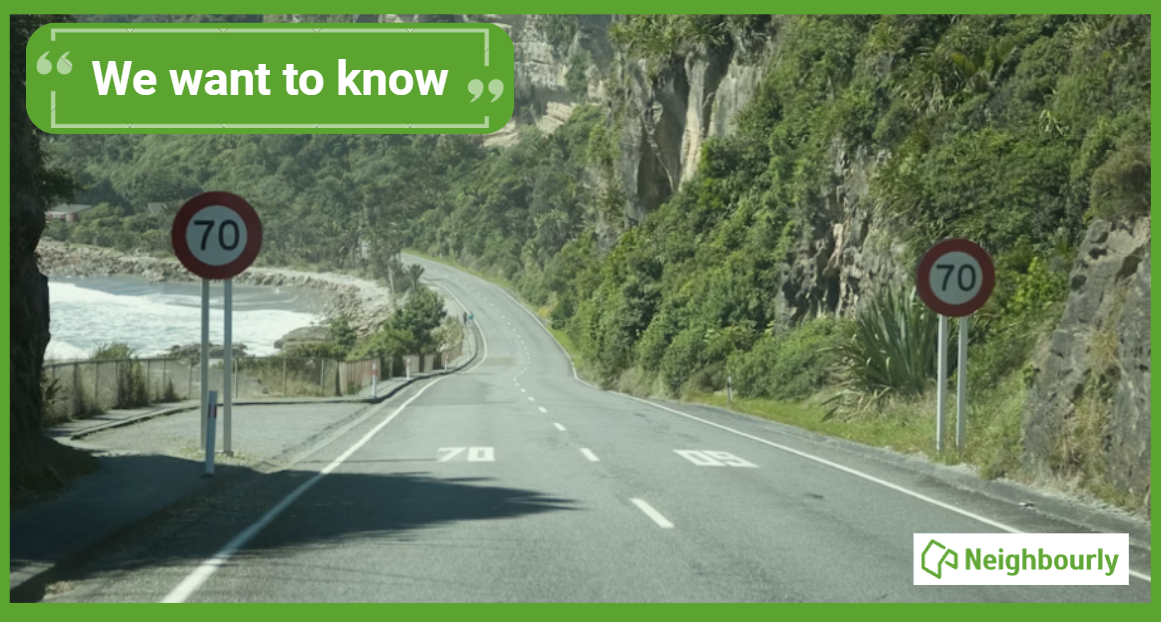
Poll: If we want to reduce speeding, what do you think actually changes driver behaviour? 🛻🚨🚓
In the Post's article on speeding penalties, the question is asked whether speeding fines are truly about road safety, or are they just a way to boost revenue for the Crown?
What do you think? Should speeding motorists receive speeding fines or demerit points?
-
36.9% The sting of a fine (Money talks!)
-
63.1% The threat of demerit points (Nobody wants to lose their license!)

Some Choice News!
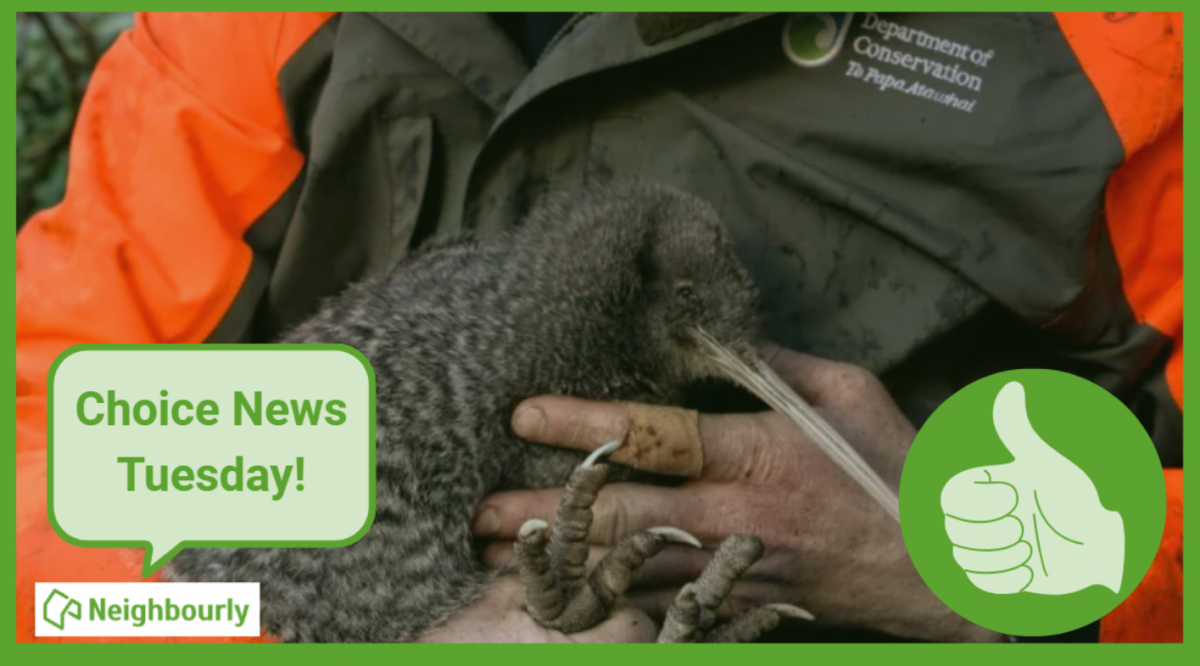
DOC is rolling out a new tool to help figure out what to tackle first when it comes to protecting our threatened species and the things putting them at risk.
Why does this matter? As Nikki Macdonald from The Post points out, we’re a country with around 4,400 threatened species. With limited time and funding, conservation has always meant making tough calls about what gets attention first.
For the first time, DOC has put real numbers around what it would take to do everything needed to properly safeguard our unique natural environment. The new BioInvest tool shows the scale of the challenge: 310,177 actions across 28,007 sites.
Now that we can see the full picture, it brings the big question into focus: how much do we, as Kiwis, truly value protecting nature — and what are we prepared to invest to make it happen?
We hope this brings a smile!

🎉 Riddle me this, legends! 🎉
He/She who makes it, sells it.
He/She who buys it, doesn't use it.
The user doesn't know they are using it.
What is it?
(Shezz from Ngāruawāhia kindly provided this head-scratcher ... thanks, Shezz!)
Do you think you know the answer? Simply 'Like' this post if you know the answer and the big reveal will be posted in the comments at 2pm on the day!
Want to stop seeing these in your newsfeed?
Head here and hover on the Following button on the top right of the page (and it will show Unfollow) and then click it. If it is giving you the option to Follow, then you've successfully unfollowed the Riddles page.

 Loading…