






The stream of unregulated junk food ads targeting Kiwi kids
Children are especially vulnerable to the influence of advertising, which is now more sophisticated and personalised than ever.
Children in Aotearoa are now targeted by advertisers in a wide variety of contexts, both physical and digital, and in a more systematic, integrated and personalised way than ever before.
These days, ads aren't just something children see between TV programmes. They are woven into their physical environment and the digital platforms they use to learn, play and socialise.
Our new research showed just how pervasive this exposure is.
We used data from the earlier Kids’Cam observational study, which tracked 90 New Zealand children’s real-world experiences using wearable cameras that captured what they were looking at from waking up to going to sleep.
On average, we found children encountered marketing for “unhealthy” products – junk food, alcohol and gambling, 76 times per day. That’s almost two-and-a-half times more than their daily exposure to “healthy” marketing.
Coca-Cola topped the list of most frequently encountered brands, appearing 6.3 times a day on average. The findings also show stark inequalities. Children from more socioeconomically deprived areas were exposed to significantly more unhealthy marketing for junk food.
Why exposure matters
===================
Advertising directed at children extends far beyond simply promoting products. It profoundly shapes their cognitive, social and behavioural development.
Research has shown it can spark an immediate desire for products and contribute to conflict between children and parents.
It can also influence the formation of broader consumption values and desires. Advertising exposure has been linked to increased materialism, by associating possessions with happiness and success.
However, materialism is consistently associated with lower self-esteem, reduced well-being, and weaker social relationships because it shifts focus away from intrinsic sources of fulfilment such as personal growth and connection.
Moreover, marketing plays a pivotal role in shaping children’s beliefs, attitudes and social norms.
There is evidence connecting advertising to the internalisation of gender and racial stereotypes and distorted body image. It has also been linked to the early use of harmful products such as tobacco and alcohol.
Advertising has been found to affect dietary habits, with sustained exposure to food advertising significantly increasing the risk of childhood obesity.
Vulnerable to influence
===================
Children are uniquely vulnerable to the influence of advertising as they lack the critical reasoning skills to recognise and evaluate persuasive intent.
In the online environment where advertising is embedded in games, influencer content and social feeds, children are especially vulnerable.
Our study found a clear pattern. The less regulation there is, the higher the exposure.
Tobacco marketing, which is tightly regulated, was rarely encountered by the children in our study. Alcohol and gambling – regulated by a patchwork of laws and voluntary codes – appeared moderately often. But junk food marketing, almost entirely self-regulated by industry, dominated what they saw.
More than half of the unhealthy food and alcohol marketing children saw came from just 15 multinational companies. This highlights the systemic nature of the problem, as well as the resources behind it. These companies have the money to spend on marketing these harmful products to children.
Taking action
===========
International agencies such as the United Nations have warned that exploitative marketing is a major global threat to children’s health.
To respond to this growing harm, governments need to:
protect children through comprehensive regulation restricting junk food, alcohol and gambling marketing, similar to what already exists for tobacco
introduce restrictions on product packaging for unhealthy products, which the study found was a key medium for marketing
conduct further research to understand the digital marketing environment, in particular to identify disparities in targeting based on ethnicity, gender or socioeconomic status.
This is not just about protecting children’s innocence. It’s about protecting their health, autonomy and future opportunities. Left unchecked, the current commercial environment risks deepening health inequities and normalising harmful consumption patterns from an early age.
Aotearoa New Zealand has the chance to lead efforts to create a digital and physical environment where commercial interests do not undermine children’s rights and wellbeing.
That requires moving beyond voluntary codes towards enforceable protections – grounded in evidence, public health priorities and equity.
If we don’t act now, we risk commodifying childhood itself.
=====================================================

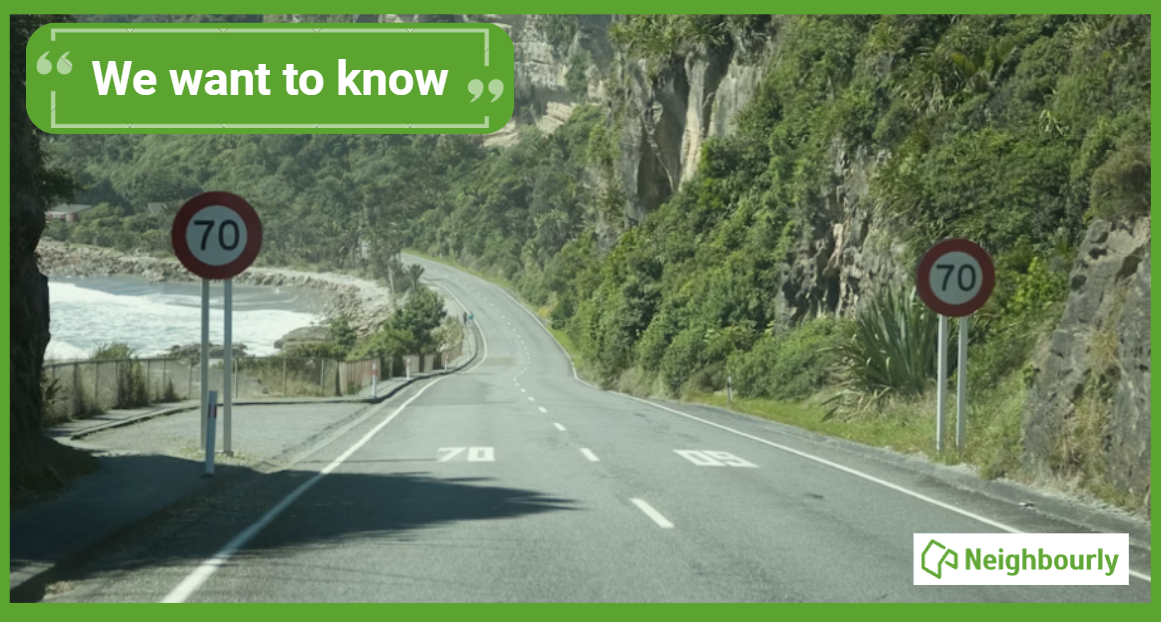
Poll: If we want to reduce speeding, what do you think actually changes driver behaviour? 🛻🚨🚓
In the Post's article on speeding penalties, the question is asked whether speeding fines are truly about road safety, or are they just a way to boost revenue for the Crown?
What do you think? Should speeding motorists receive speeding fines or demerit points?
-
37% The sting of a fine (Money talks!)
-
63% The threat of demerit points (Nobody wants to lose their license!)

Some Choice News!
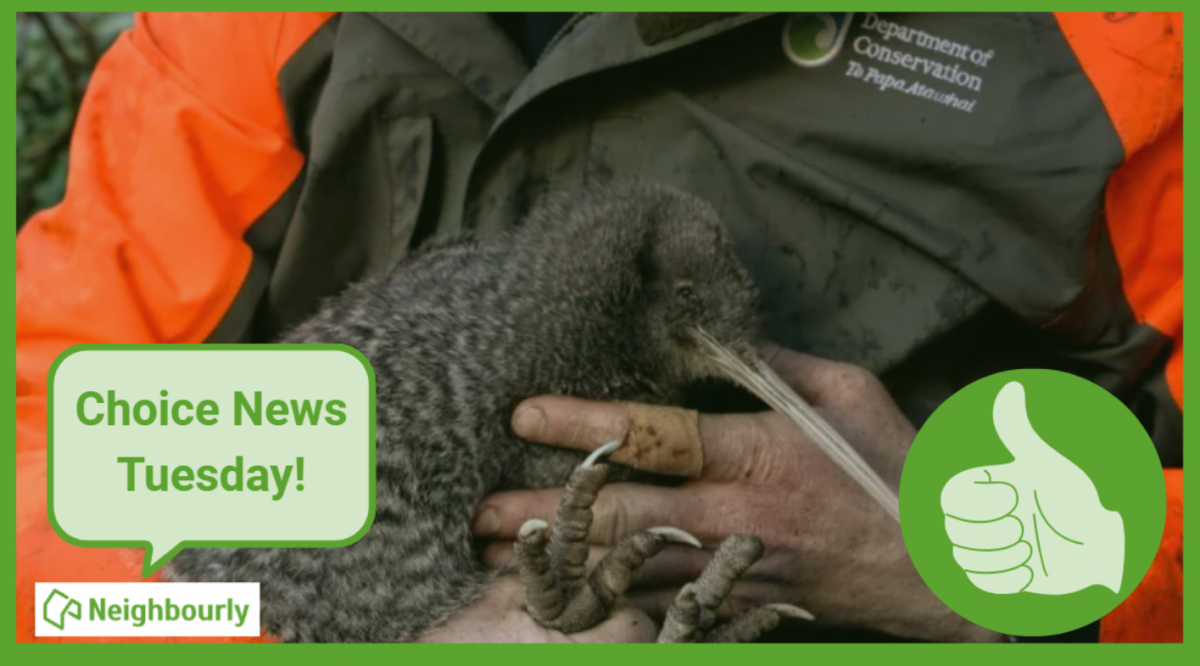
DOC is rolling out a new tool to help figure out what to tackle first when it comes to protecting our threatened species and the things putting them at risk.
Why does this matter? As Nikki Macdonald from The Post points out, we’re a country with around 4,400 threatened species. With limited time and funding, conservation has always meant making tough calls about what gets attention first.
For the first time, DOC has put real numbers around what it would take to do everything needed to properly safeguard our unique natural environment. The new BioInvest tool shows the scale of the challenge: 310,177 actions across 28,007 sites.
Now that we can see the full picture, it brings the big question into focus: how much do we, as Kiwis, truly value protecting nature — and what are we prepared to invest to make it happen?
We hope this brings a smile!

🎉 Riddle me this, legends! 🎉
He/She who makes it, sells it.
He/She who buys it, doesn't use it.
The user doesn't know they are using it.
What is it?
(Shezz from Ngāruawāhia kindly provided this head-scratcher ... thanks, Shezz!)
Do you think you know the answer? Simply 'Like' this post if you know the answer and the big reveal will be posted in the comments at 2pm on the day!
Want to stop seeing these in your newsfeed?
Head here and hover on the Following button on the top right of the page (and it will show Unfollow) and then click it. If it is giving you the option to Follow, then you've successfully unfollowed the Riddles page.
 Loading…