






Four common supermarket price errors to look out for
Consumer NZ says supermarkets are still making pricing errors, despite increasing pressure and scrutiny on them.
Charges have been filed and a number of supermarkets have pleaded guilty to breaching the Fair Trading Act due to inaccurate pricing and misleading specials.
But Consumer NZ says misleading specials are still costing shoppers tens of millions of dollars a year and has launched a petition calling for tougher penalties for breaches of the ac
It provided examples of a number of ways that people could be caught out by misleading signage in supermarkets.
Dodgy multibuy
=============
A dodgy multibuy refers to a situation where the individual price and the multibuy price don't add up to a saving.
supermarket price errorsA mince special where a tray of meat was $4 or people could buy three for $20.
Consumer NZ pointed to this mince special where a tray of meat was $4 or people could buy three for $20.
In another case, packaging seemed to be making a confusing difference.
The Gingernuts that were selling for $5 but the club price for a twin-pack was $5.59.
Two individual backs of Gingernuts were selling for $5 but the club price for a 500g twin-pack was $5.59.
Different pricing
=============
Sometimes the price on the shelf tag does not match what you pay at checkout.
A box of Coca Cola a customer paid more at checkout for than the shelf price tag.
In this case, supplied by Consumer, the price tag on the shelf said $27, but the customer paid more than $35 at the checkout.
Confusing
========
Double cream brie with two prices. Consumer provided an example of double cream brie was "reduced" to $10.60 for a quick sale - or was it on sale for $9.80?
Mismatches
==========
Sometimes it seems as though there are multiple labels for the same item.
In this case, two signs had two different prices for a single avocado.
Another sign at the same supermarket saying a single avocado is $1.69.
"One said $1.69. The other said $1.99," Consumer NZ spokesperson Abby Damen said.
"The customer was charged $1.99. She returned two days later to ask what could be done about the pricing error. She was offered a refund of the price difference but after pointing out the supermarket's new refund policy, she was refunded $2 and also kept her avocado."
Chief executive at Consumer Jon Duffy said anyone who was charged more than the shelf price was entitled by law to a refund of the difference.
He said both supermarket chains promised a full refund in that scenario, but consumers sometimes had to know that was what was available.
A Foodstuffs spokesperson said with more than 14,000 products in a typical supermarket, and prices changing frequently due to supplier costs, promotions or new product liens, pricing was a complex job.
"But for our customers, it's simple. They rightly expect the price on the shelf to match what they pay at the checkout," he said.
"We take pricing accuracy as seriously as health and safety, aiming for zero errors.
"Across our local, family-owned stores, we manage tens of thousands of price labels and process millions of transactions every week, and we've invested in better systems, daily checks and electronic shelf labels to help get it right.
"If we do get it wrong, our policy is that the customer gets a refund and keeps the product. We've also strengthened staff training and store processes to make sure pricing is clear and accurate."
Woolworths said it had more 3.5 million transactions in our stores each week "and sometimes errors do occur".
"When they do, we try to make things right, through our long-standing and market-leading refund policy. Under that policy, if a customer is charged more than the advertised price for a product, they get a full refund and can keep the product."
Duffy said Consumer had received 20 complaints about supermarket pricing since Tuesday. A normal rate would be two a day, he said.
====================================================

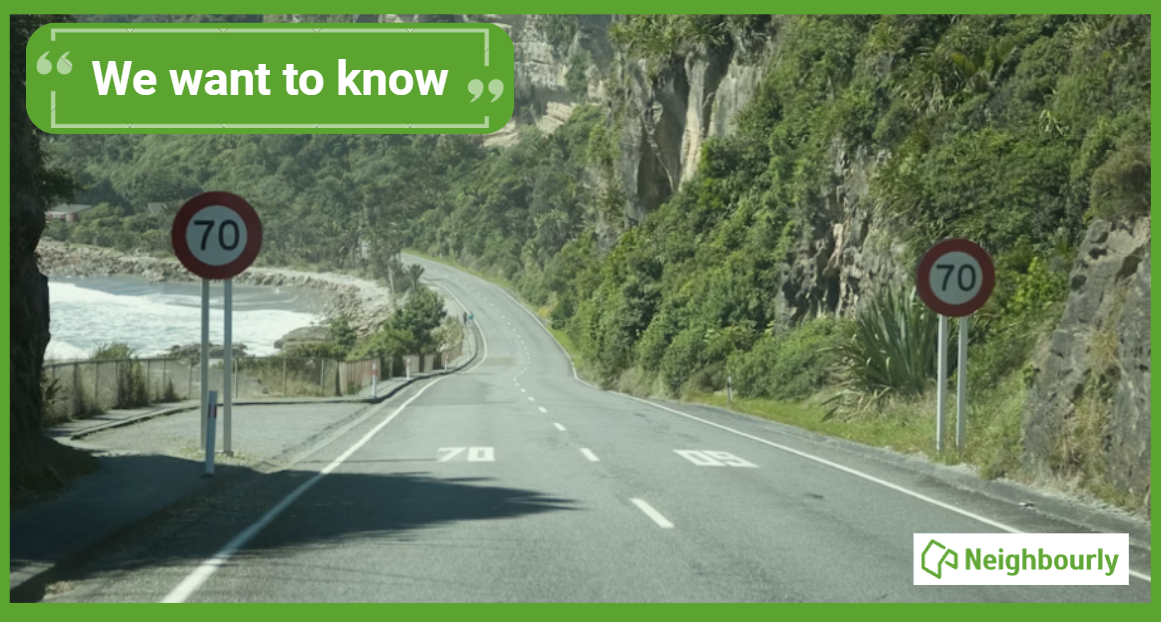
Poll: If we want to reduce speeding, what do you think actually changes driver behaviour? 🛻🚨🚓
In the Post's article on speeding penalties, the question is asked whether speeding fines are truly about road safety, or are they just a way to boost revenue for the Crown?
What do you think? Should speeding motorists receive speeding fines or demerit points?
-
37% The sting of a fine (Money talks!)
-
63% The threat of demerit points (Nobody wants to lose their license!)

Some Choice News!
DOC is rolling out a new tool to help figure out what to tackle first when it comes to protecting our threatened species and the things putting them at risk.
Why does this matter? As Nikki Macdonald from The Post points out, we’re a country with around 4,400 threatened species. With limited time and funding, conservation has always meant making tough calls about what gets attention first.
For the first time, DOC has put real numbers around what it would take to do everything needed to properly safeguard our unique natural environment. The new BioInvest tool shows the scale of the challenge: 310,177 actions across 28,007 sites.
Now that we can see the full picture, it brings the big question into focus: how much do we, as Kiwis, truly value protecting nature — and what are we prepared to invest to make it happen?
We hope this brings a smile!


🎉 Riddle me this, legends! 🎉
He/She who makes it, sells it.
He/She who buys it, doesn't use it.
The user doesn't know they are using it.
What is it?
(Shezz from Ngāruawāhia kindly provided this head-scratcher ... thanks, Shezz!)
Do you think you know the answer? Simply 'Like' this post if you know the answer and the big reveal will be posted in the comments at 2pm on the day!
Want to stop seeing these in your newsfeed?
Head here and hover on the Following button on the top right of the page (and it will show Unfollow) and then click it. If it is giving you the option to Follow, then you've successfully unfollowed the Riddles page.

 Loading…