








The best way to dry laundry in winter
At my place over winter, the sun apologetically creeps over the hills for a few hours a day – if it appears at all. So, with my outdoor clothes line hamstrung by this gloomy weather, what’s the best way to dry my washing?
I needed data. I put together a 3kg trial load of bath and tea towels, T-shirts, socks, jeans and synthetic sportswear. I gathered scales, a power meter and a sensor that records temperature and humidity. After being washed in my front-loading machine and spun at 1100rpm, my trial load weighed 4.2kg. That’s 1.2L of water I needed to remove. My ideal method would be minimal hassle, cheap, good for the environment, and it wouldn’t leave my home damp.
I tried five different drying methods and found a clear winner: my vented clothes dryer. It was easy to use, sent all the moisture outside, gave consistent results and, while it wasn’t free, forward-planning minimised the cost to my pocket and the environment. Whenever I can’t dry clothes outside, my dryer will shoulder the workload this winter.
TIP: Use the fastest spin your washing machine will allow and clothing can handle. Spinning at 1100rpm instead of 800rpm removed an extra third (600ml) of moisture from my test load.
Outside on a line
==============
Best for cost, environment and home health, but weather-dependent and a hassle.
On a calm, sunny winter day, six hours on the clothes line shifted just over 40% of the moisture in my washing. The method required me hanging my load out in the morning before I left for work, and remembering to pull it in before the sun dropped and the damp evening undid all my good work. One day of outside hanging didn’t dry my washing, but it was quicker and used less energy to finish it off in my dryer. On a good day, outside line drying costs nothing and has no environmental impact at all.
TIP: A breezy, overcast winter day is better at drying washing than a calm, sunny one.
Indoor on a rack
=============
No cost or environmental impact, but fills your home with moisture.
It’s easier hanging washing on a rack indoors than pegging it outside, and the method works even on filthy-wet days. It comes at zero cost to your wallet and uses no energy. However, my trial found a drying rack was far from a perfect solution. I set mine up in an unheated back room. Though large windows meant the rack was exposed to winter sun, there was no airflow around the wet clothes and I shifted just a third of the moisture in six hours. However, I could leave the load on the rack all day and night to dry. The biggest downside was to the health of my home – all of the moisture from my washing ended up in my back room.
TIP: Make like a DOC Hut: putting the drying rack next to (or above) an electric heater or woodburner will dry clothes faster and keep moisture airborne. You must ventilate the room well though (open a window or two), otherwise you’ll end up with an unhealthy living space full of warm, moist air.
TIP: Put the drying rack in your bathroom and run the extractor fan. It’ll add a few cents to your electricity bill, but the fan will suck some of the moisture outside, and the rest will be in a room designed to cope with damp.
Inside on a rack with a dehumidifier
=============================
A dehumidifier makes an indoor drying rack a better option (for a price).
Running a dehumidifier next to the clothes rack adds cost, but you get a triple-whammy of benefits: the dehumidifier heats the room, creates a breeze to help the laundry dry, and sucks up moisture. When I tried a Mitsubishi Electric model running full bore on “laundry” mode next to the drying rack, my clothes were dry in five hours and my room ended up 3°C warmer, with lower humidity than when I started. However, the dehumidifier used 1.9kWh of electricity (costing about 50¢). While I couldn’t fault the increased drying performance, the impact on my wallet was surprisingly high, and the dehumidifier’s noise rendered the room uninhabitable for five hours.
Which dehumidifiers score best for water removal, energy efficiency and quietness? Find out with our test results.
In a clothes dryer
==============
Minimal hassle and drying time, a healthy home, but a lighter wallet and environmental niggles.
Drying the load in my $600 Electrolux vented dryer (using a sensor program) took an hour. All the moisture vented outside. I was expecting it to be the most expensive option, the price I paid for convenience, but it used 1.9kWh – the same as running the dehumidifier for five hours. Looking at my dryer’s specifications, it makes sense: it has a 2100W heating element and a small motor to turn the drum, so an hour of sensor-controlled use should use about 2kW.
TIP: Check whether your electricity plan has cheaper periods, so you can save a few cents per load - some plans offer reduced off-peak rates or even free power for a short period each day. Make sure you're not paying a premium to dry your clothes at peak times.
===================================================

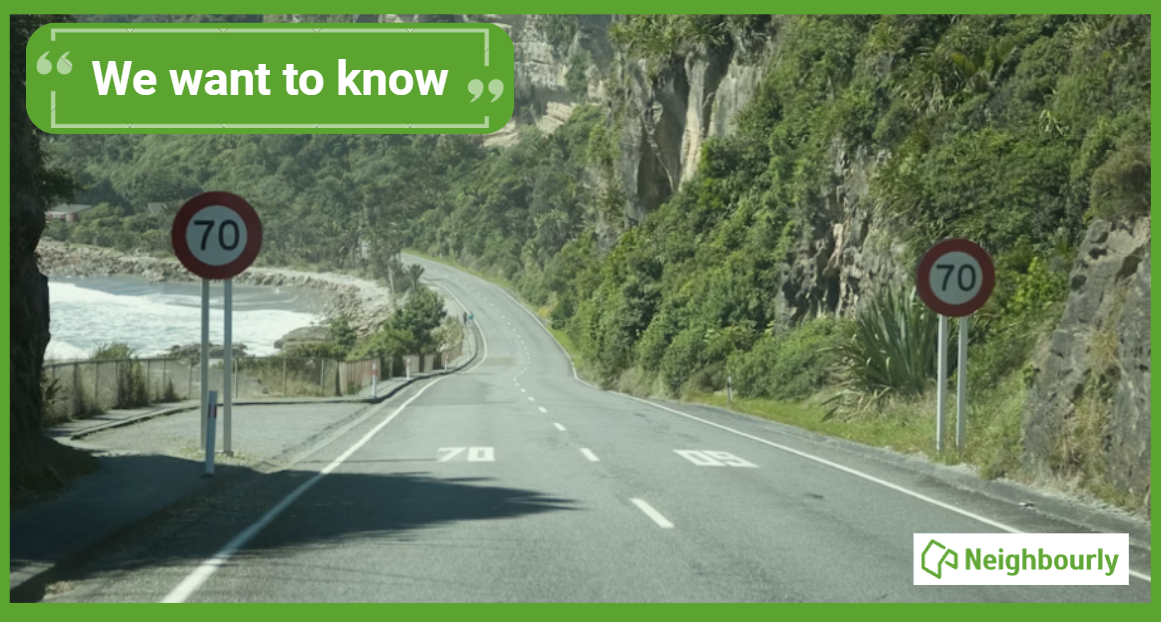
Poll: If we want to reduce speeding, what do you think actually changes driver behaviour? 🛻🚨🚓
In the Post's article on speeding penalties, the question is asked whether speeding fines are truly about road safety, or are they just a way to boost revenue for the Crown?
What do you think? Should speeding motorists receive speeding fines or demerit points?
-
37.2% The sting of a fine (Money talks!)
-
62.8% The threat of demerit points (Nobody wants to lose their license!)

Some Choice News!
DOC is rolling out a new tool to help figure out what to tackle first when it comes to protecting our threatened species and the things putting them at risk.
Why does this matter? As Nikki Macdonald from The Post points out, we’re a country with around 4,400 threatened species. With limited time and funding, conservation has always meant making tough calls about what gets attention first.
For the first time, DOC has put real numbers around what it would take to do everything needed to properly safeguard our unique natural environment. The new BioInvest tool shows the scale of the challenge: 310,177 actions across 28,007 sites.
Now that we can see the full picture, it brings the big question into focus: how much do we, as Kiwis, truly value protecting nature — and what are we prepared to invest to make it happen?
We hope this brings a smile!


🎉 Riddle me this, legends! 🎉
He/She who makes it, sells it.
He/She who buys it, doesn't use it.
The user doesn't know they are using it.
What is it?
(Shezz from Ngāruawāhia kindly provided this head-scratcher ... thanks, Shezz!)
Do you think you know the answer? Simply 'Like' this post if you know the answer and the big reveal will be posted in the comments at 2pm on the day!
Want to stop seeing these in your newsfeed?
Head here and hover on the Following button on the top right of the page (and it will show Unfollow) and then click it. If it is giving you the option to Follow, then you've successfully unfollowed the Riddles page.

 Loading…