






Do people earning $200,000 need help with childcare?
Government “choices” mean some of the families now receiving Family Boost payments for their early childhood education are among the 10% wealthiest in the country, an economist says.
A revamp to the Family Boost programme means those with household incomes up to $229,100 a year are now eligible for support with their childcare fees.
The available rebate is also increasing to 40% of fees paid, or a maximum of $1560 a quarter.
The change applies to fees paid in the September quarter, and from then on.
But Craig Renney, policy director of the Council of Trade Unions and an economist who was previously a senior economic adviser to then-Finance Minister Grant Robertson, said there were “choices” being made.
He said those on the highest incomes, in the top 10% according to the Stats NZ Household Expenditure Survey, were benefiting the most from the change.
“If your household earns $60,000 a year, you can get up to an extra $2340 annually in new support. If your household earns three times that, $180,000 – you will get an extra $3440 annually. That’s 47% more. For exactly the same thing – having children in early childhood education.”
The difference was because the higher earners were previously not eligible at all.
Renney said data also showed higher-earning households tended to spend more on early childhood education anyway, which meant they would have larger fees to claim rebates on.
Most were already spending the money without the Government’s assistance, he said.
It could have been better used to help make early childhood education more affordable or accessible to low or middle-income earners, he said.
“Instead of having a 40% cap across the piece that could be claimed, you could have said for very-low-income households we’ll make it 50, 60 or 100%.
“Because this is a rebate scheme, those on low incomes don’t have the money to be able to afford it in the first place to then get the rebate.
“I’m not saying these families don’t need the money but I’m saying if you were making choices about where to spend, for a Government that’s focused on value for money – you may get better outcomes for your dollar if you were actually spending it on expanding ECE provision in low-income communities.”
Asked whether the adjustment would affect the number of families who could receive the full $250-a-fortnight relief that National campaigned on before the last election, as a combination of the Family Boost package and tax cuts, Finance Minister Nicola Willis said that data was not available.
“The National Party campaigned on a tax relief plan that included multiple elements – shifting tax brackets to compensate for inflation, expanding tax credits to reach more modest income earners, increasing Working for Families tax credits and introducing the FamilyBoost childcare tax credit.
“We delivered on these policies in our first Budget. We made clear that the impact of these policies would vary according to family circumstances and encouraged people to use our tax calculator so they could find out what it would mean for them.”
She said the $250 example was a family with a household income of $120,000 split across two earners spending at least $300 a week on childcare.
“We did not model how many families would match that scenario.
“Inland Revenue is not geared up to calculate how many people would have matched that scenario in the past 12 months or will match it in the coming years. This is because some elements of the tax plan are calculated on an individual basis while others, including FamilyBoost, are calculated according to household income. Inland Revenue does not routinely collect information on household incomes.”
She said about 60,000 families had received the full FamilyBoost payment they were entitled to.
With the scheme expansion, she said, about 16,000 more families would probably benefit.
“The amount of rebate they receive will vary according to the fees they pay and the income they earn each quarter. The maximum a family can now receive from FamilyBoost is $240, an increase on the $150 that National campaigned on.
“To receive that amount, a family would have to be spending at least $300 a week on childcare and have a combined family income of less than $140,000 a year. Inland Revenue does not calculate how many families find themselves in that circumstance.”
===================================================

Auckland Seniors & Travel Expo
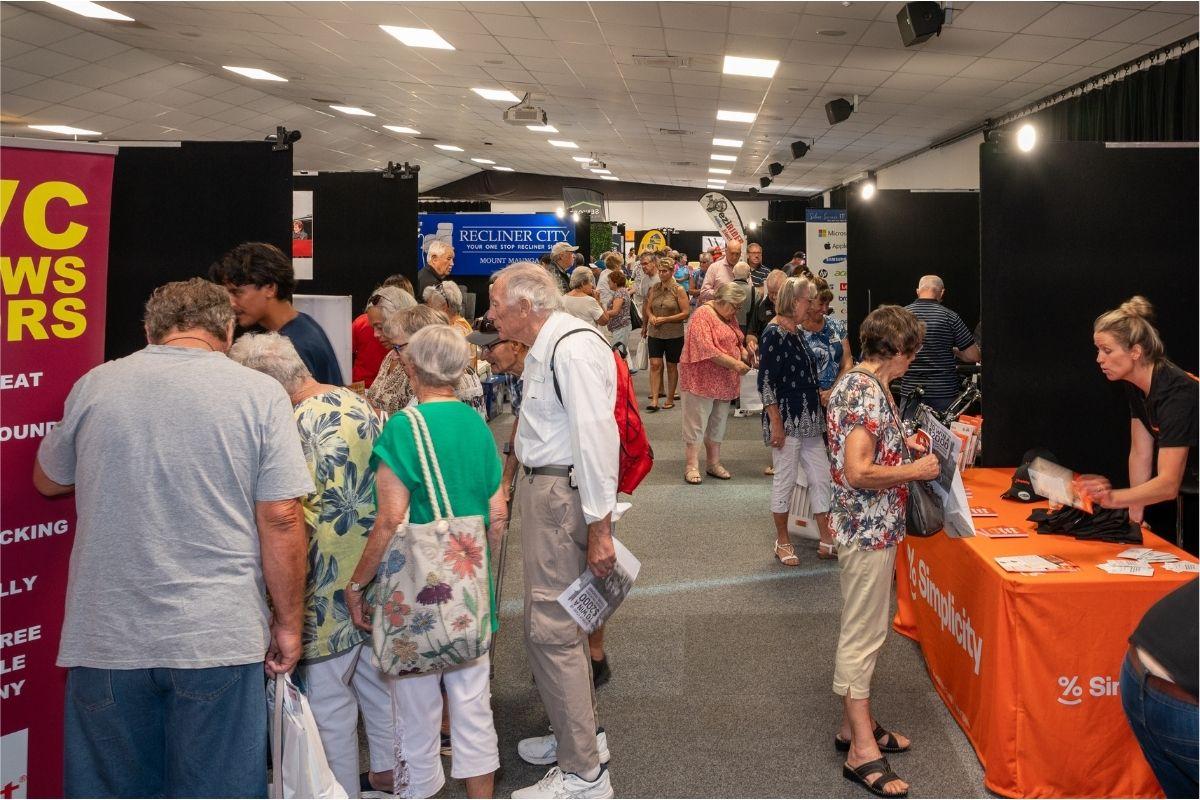
Neighbourhood locals are invited to the Auckland Seniors & Travel Expo, a relaxed and welcoming event bringing lifestyle, leisure, and travel together under one roof. Meet 50+ exhibitors showcasing travel ideas, retirement living, mobility solutions, health services, finance, and local clubs. Enjoy live music from Kulios, café seating, door prizes, and be in to win a Luxury Beachfront Escape for Two to Rarotonga.
Lost Cat
SMOKEY
MISSING since 7th Feb 26
Grey green eyes
Very shy
Missing from Dominion road near St Albarns church.
Jan 0274374334

Have you got New Zealand's best shed? Show us and win!
Once again, Resene and NZ Gardener are on the hunt for New Zealand’s best shed! Send in the photos and the stories behind your man caves, she sheds, clever upcycled spaces, potty potting sheds and colourful chicken coops. The Resene Shed of the Year 2026 winner receives $1000 Resene ColorShop voucher, a $908 large Vegepod Starter Pack and a one-year subscription to NZ Gardener. To enter, tell us in writing (no more than 500 words) why your garden shed is New Zealand’s best, and send up to five high-quality photos by email to mailbox@nzgardener.co.nz. Entries close February 23, 2026.

 Loading…