






Why you can’t deposit cash into someone else’s account at the bank
You can do lots of things at a bank branch, but depositing cash into another person’s account is probably not one of them.
A spokesperson for New Zealand’s biggest bank, ANZ, said it stopped accepting over-the-counter deposits into someone else’s account last year.
“You can still deposit cash into your own account over the counter or any ANZ accounts you are a signatory on, including business accounts.
“A customer who wants to make payments to another person can deposit the cash into their own account and then transfer the money electronically.
“An ANZ cardholder can also deposit cash into an ANZ ATM, which has the deposit function – a smart ATM. All ANZ NZ branches have at least one smart ATM.”
He said, at a smart ATM, a customer could also put money into another ANZ account.
Westpac said it also did not allow deposits into other accounts.
“Similar to most other banks, only personal account owners or authorised related-party signatories can make over-the-counter cash deposits into their own accounts.
“We also accept over-the-counter cash deposits from non-personal entities, such as organisations or clubs, although the depositor must also supply their full name and telephone number.
“From June 30, 2025, people will need a Westpac card when depositing cash into a Westpac personal account – their own or someone else’s – at our ATMs. There is no change for non-personal entities.”
ASB said its own customers could make deposits into other customers’ accounts. People who were not ASB customers could too, if they met ID requirements.
Financial coach Shula Newland said this seemed weird to some people.
“Legal tender can’t be banked into someone’s account to pay for something,” she said. “In my own personal experience, it now means, if someone wants to pay me in cash, I now have the chore of going down to the bank to have to bank it myself.”
Newland said moving away from cash meant everything could be tracked much more easily.
New Zealand Banking Association chief executive Roger Beaumont said banks were required to comply with the Anti-Money Laundering and Countering Financing of Terrorism Act (AML), which could make accepting deposits difficult.
“The law aims to stop people trying to disguise the origin of criminal profits, such as drug trafficking or fraud,” he said. “Under the law, there are rules about verifying the source of the funds, and the identity of the person paying and the recipient.
“In cases where you would like to make a cash payment at your branch to an account in another bank, your bank may not be able to comply with these rules.
“Your bank may be able to suggest other ways you could make the payment.”
Banking expert Claire Matthews said that should not be a reason to stop accepting them.
“I would have thought it would just be a flag that meant an explanation is required and only for large amounts.”
The change appears to be because of the work involved for branch staff in accepting a deposit.
ANZ said it was not about AML so much as responding to changing customer behaviour.
“More people are choosing to do their banking online or through our GoMoney app, with less than 1% of banking transactions now made in person.”
================================================

Share your favourite main crop potato recipe and win a copy of our mag!
Love potatoes? We will give away free copies of the May 2026 issue to readers whose potato recipes are used in our magazine. To be in the running, make sure you email your family's favourite way to enjoy potatoes: mailbox@nzgardener.co.nz, by March 1, 2026.


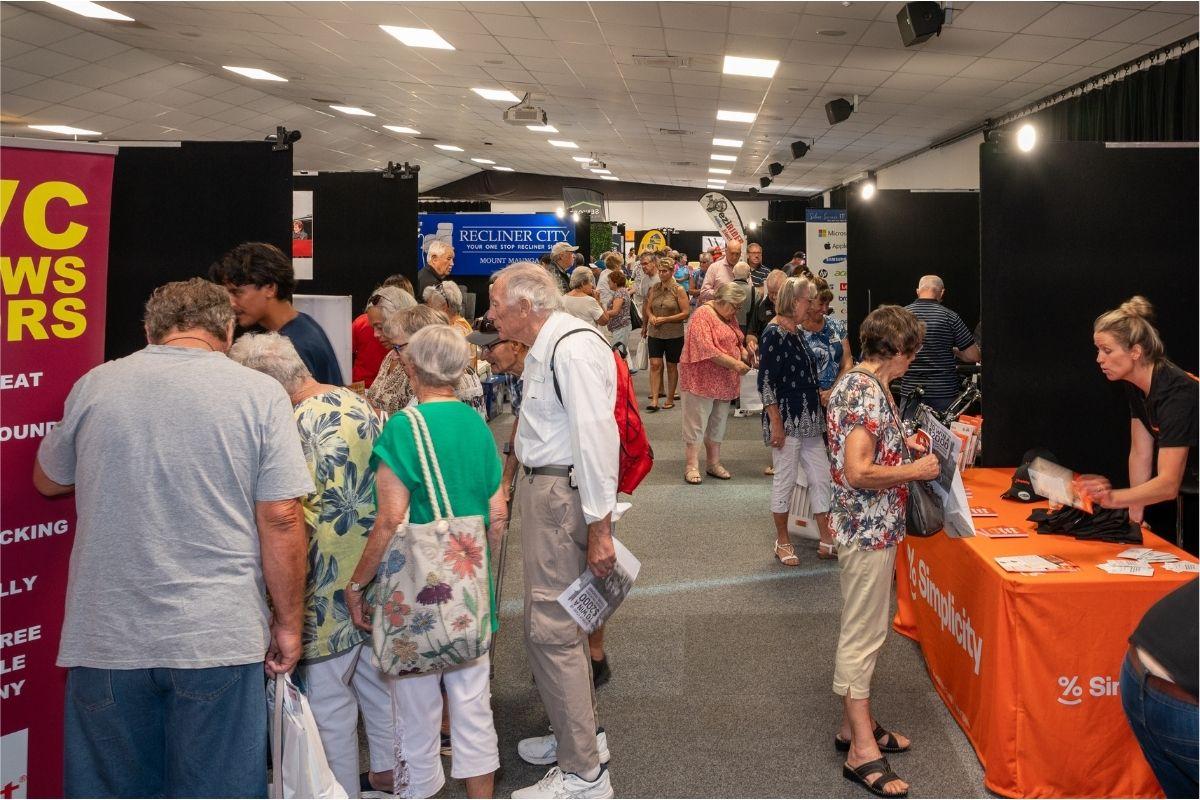
Auckland Seniors & Travel Expo
Neighbourhood locals are invited to the Auckland Seniors & Travel Expo, a relaxed and welcoming event bringing lifestyle, leisure, and travel together under one roof. Meet 50+ exhibitors showcasing travel ideas, retirement living, mobility solutions, health services, finance, and local clubs. Enjoy live music from Kulios, café seating, door prizes, and be in to win a Luxury Beachfront Escape for Two to Rarotonga.
Lost Cat
SMOKEY
MISSING since 7th Feb 26
Grey green eyes
Very shy
Missing from Dominion road near St Albarns church.
Jan 0274374334
 Loading…