





How to write emails that don't trigger rage and frustration
Just start with a hello, and say hope you’re well. There’s nothing gentle about gentle reminders. And the email never finds you well. Nothing annoys working professionals more than emails with vague flatteries, unnecessary niceties or even passive-aggressive follow ups. “As per my last email…” is a sure way for your email to be left on hold.
There are several ‘Dos and Don’t’s’ when writing a professional email. “Emails can be irritating. First of all, you can’t see the person. Often, you might not know the person. So, it’s already very hard to connect with someone you can’t see or don’t even know. So a lot depends on the tone of the email, and how they explain the context,”.
Remember, a working professional is already swamped with a million emails a day; a vague, generic, aggressive or meaningless one filled with false niceties will either elicit an angry, irritated response, or just be left unread. Or, possibly, sent to trash.
Emails can be irritating. A lot depends on the tone of the person in the email and how they explain the context. They need to be empathetic to connect with the other person. For example, they can start an email by saying I know you must be busy...
Skip the dears, dearests and dearie
“No one’s so dear to you, you aren’t writing to your grandmother,” “I’ve deleted emails from people who addressed me as dearest,”. She has been called dearie too, much to her shock. “I’ve had to remind people to not address me like that,”.
So, avoid the over-familiarity. No one’s your lovely, dear or honey at work. “I can’t stand over-familiarity from people that I do not know,”, an American freelancing writer. “I dislike it when strangers write emails addressing me as ‘lovely’. It’s like ‘Hey lovely, thought I will check in…’ and the email is followed by some irrelevant announcement,” Be professional, friendly, but without going overboard.
Be specific in your subject line
For all you know, your recipient might be subjected to a flood of emails a day. They don’t have time to read each email. They’ll probably just look at the subject and see if it’s worth their time. If they don’t find it so, it usually remains unread or goes to trash. So keep the subject line short, Get to the point. Many people won’t have the patience to read an email with a blank subject or something vague or generic. “I wouldn’t read an email with the subject ‘just checking in’ or ‘greetings’. So, keep your subject short; let it capture the essence of your email, like a headline," Otherwise, you and your email are ignored.
The email never finds you well
Yes, we know the emails that begin with this line: ‘Hope this email finds you well.’ “It does not sound sincere. The first thing that comes to mind when reading it is, ‘Okay, what do you want?” which focuses on leadership content strategies. “It sounds rather clichéd, as if you really don’t care what’s happening with them, but you’re just determined to get your work done,” Just say hello, and hope you're well.
Skip the slang
Don’t wander and confuse the reader. “You don’t have to begin with a chatty, over-friendly conversation before getting into the conversation, especially if you have emailed them several times a day,” “Skip the slang, excessive punctuation and emoticons,”
A little empathy doesn’t hurt
Emails can be a frustrating form of communication for various reasons, one being that you can’t see the person. “You need to show a little empathy in your emails, so that they can at least have a sense of your tone and mood,” If you know they’re busy, you can use words like ‘I know you must be busy’… and give them clear context, of what you need. Keep it short, simple and basic, and that’s the best way to not annoy someone.
In this form of written communication, you need to establish some form of trust with the other person, he says.
“Always think, how would I feel when reading this,”
There’s no point following up on a previous email, when the other person doesn’t remember what you’re following up on.
Explain your request again, so that the person doesn’t have to sift through a long email thread and see what you’re referring to. “If that person didn’t respond to your email the first time, resending the same message is probably not going to get better results the second time.”
Avoid being pushy and passive-aggressive: No gentle reminders
Don’t mark your emails with ‘URGENT’ (in upper case mind you), when you know, it isn’t urgent. Moreover, don’t do it just in the hope that you are capturing someone’s attention. “I’ve received emails from people saying, ‘Hey, I haven’t heard from you for a week, so I guess you’re not interested. Well, in case you are, let me know’,” “Such emails just trigger you into a rage, or you just delete them and never respond,”
Also, avoid ‘gentle’ reminders. There’s no such thing as a gentle reminder. “Everyone knows that a reminder is a call to action. Adding gentle to it, just sounds more passive-aggressive and leaves the other person aggravated,”“In terms of tone of voice, always be warm and approachable – not cold, impersonal, and definitely not patronising or passive-aggressive,”.
Think before you ‘cc’
“The point of cc’ing someone is that they’re kept in the loop. That person already has context. If they don’t, then don’t cc them. It’s simple. There’s no prize for the number of people you can stuff into an email. Put yourself in their shoes, how would you like being copied in an email that’s completely out of the blue? Exactly,”.
Don’t copy others on an email when there’s no need
Moreover, don’t email several people in the hope that they will forward it to the person who is supposed to receive the email. This is considering the scenario that the person hasn’t responded. In all probability, they will email the same person and filled their inbox with the same email. Nothing annoys a person more.
===================================================

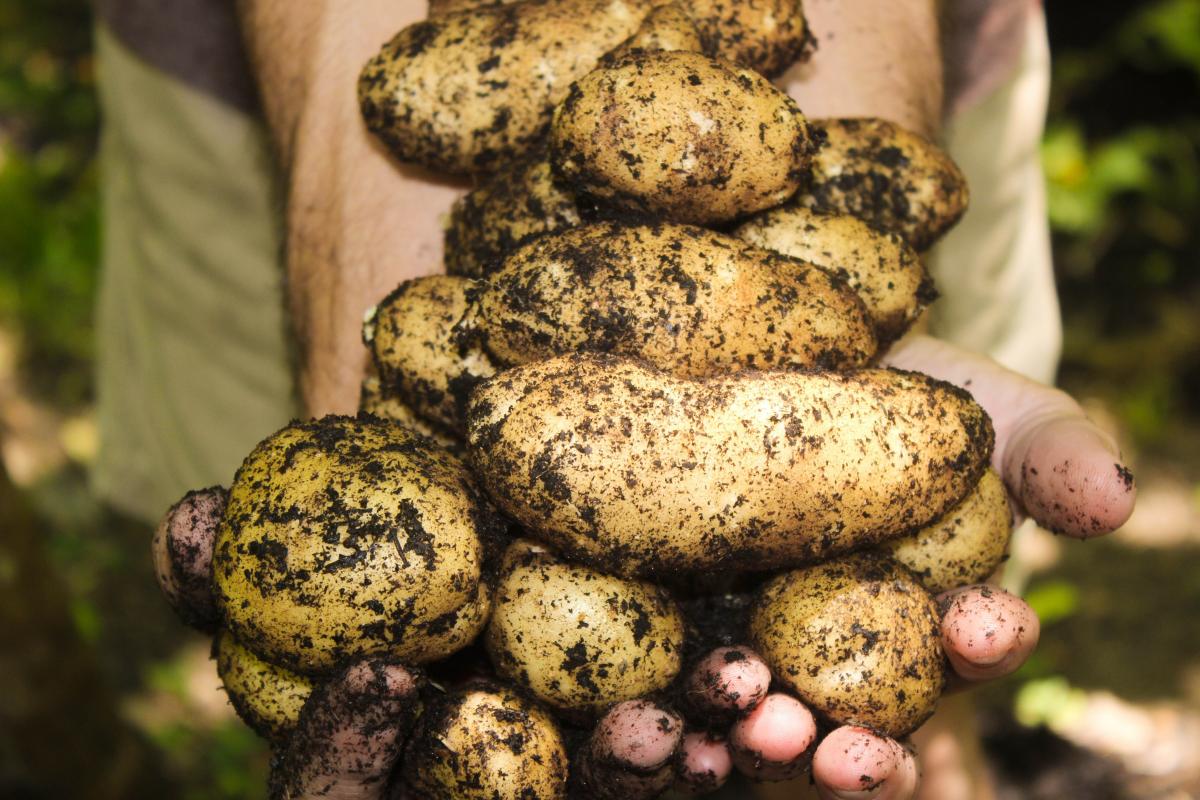
Share your favourite main crop potato recipe and win a copy of our mag!
Love potatoes? We will give away free copies of the May 2026 issue to readers whose potato recipes are used in our magazine. To be in the running, make sure you email your family's favourite way to enjoy potatoes: mailbox@nzgardener.co.nz, by March 1, 2026.
Have you got New Zealand's best shed? Show us and win!
Once again, Resene and NZ Gardener are on the hunt for New Zealand’s best shed! Send in the photos and the stories behind your man caves, she sheds, clever upcycled spaces, potty potting sheds and colourful chicken coops. The Resene Shed of the Year 2026 winner receives $1000 Resene ColorShop voucher, a $908 large Vegepod Starter Pack and a one-year subscription to NZ Gardener. To enter, tell us in writing (no more than 500 words) why your garden shed is New Zealand’s best, and send up to five high-quality photos by email to mailbox@nzgardener.co.nz. Entries close February 23, 2026.

Poll: 🤖 What skills do you think give a CV the ultimate edge in a robot-filled workplace?
The Reserve Bank has shared some pretty blunt advice: there’s no such thing as a “safe” job anymore 🛟😑
Robots are stepping into repetitive roles in factories, plants and warehouses. AI is taking care of the admin tasks that once filled many mid-level office jobs.
We want to know: As the world evolves, what skills do you think give a CV the ultimate edge in a robot-filled workplace?
Want to read more? The Press has you covered!
-
52.5% Human-centred experience and communication
-
14.9% Critical thinking
-
29.9% Resilience and adaptability
-
2.8% Other - I will share below!
 Loading…