







The Persistent Student (Day 3)
In a small town on the North Island of New Zealand, there was a young Māori student named Te Rangi who lived with his whānau in a rural area. Te Rangi was a high school student, studying for his NCEA qualifications, and he had a particular passion for performing the haka—a traditional Māori dance that his iwi (tribe) had been practicing for generations.
Te Rangi was also a member of his school’s kapa haka group, a team that performed Māori cultural songs and dances for various competitions and events. However, unlike many of his classmates, Te Rangi wasn’t raised in an urban environment where Māori language and traditions were easily accessible. He had learned haka from his kuia (grandmother) and his uncle, but he was aware that many of the other students in his kapa haka group came from whānau that were more involved in te ao Māori (the Māori world) and were better at mastering the haka and te reo Māori.
The school year was coming to a close, and the big regional kapa haka competition was approaching. Te Rangi felt the pressure. He knew his group had strong performers, but he was worried about his own ability to perform well under the scrutiny of judges, especially when it came to the solo haka part of the competition. This section of the performance required deep emotional connection, precision in movements, and the ability to lead with confidence—skills Te Rangi was still developing.
One week before the competition, something unexpected happened. The kapa haka group’s tutor, who had been guiding them for months, fell ill and could no longer lead the group. The students were told they would have to perform without their tutor, and the responsibility fell on the shoulders of the older students in the group, including Te Rangi. They would have to organise their own rehearsals and make sure everything was ready in time for the competition.
Most of the students were worried and frustrated. They felt like they had lost their guide, and many of them struggled to stay focused. Te Rangi, however, decided that he wasn’t going to let the situation stop him. While the others were distracted by the uncertainty, he started staying after school to practice his haka on his own. He would go to the marae (Māori meeting house) in the evenings to connect with the land and the spirit of his ancestors, seeking the strength to improve his performance.
He practiced the haka over and over, refining his movements, listening carefully to the words, and even studying the history and meaning behind the chants. He sought advice from his uncle and aunties, who taught him the deeper significance of the haka beyond the movements—the emotional strength, the mana (prestige), and the connection to whakapapa (ancestry).
On the day of the competition, Te Rangi was ready. When it came time for his solo haka, the crowd was captivated. His movements were sharp, his voice was strong, and his eyes burned with the confidence and pride that only someone who had connected deeply with their culture could express. He led the haka with such conviction that the audience felt the spirit of his ancestors rise with him.
In the end, his school didn’t win first place at the competition. But Te Rangi’s performance stood out, and he was praised by the judges for his commitment to his culture and his ability to overcome adversity. His classmates, who had been doubtful and distracted, were inspired by his persistence and determination. They, too, began to practice harder, and the group as a whole performed better than they had imagined.
While Te Rangi didn’t walk away with a trophy, he left the competition with something far more valuable: the knowledge that perseverance, hard work, and dedication to his roots had led to a performance that he could be truly proud of. He had earned respect from his peers, from the judges, and from himself.
---
Moral of the Story:
Te Rangi’s success came not from being the best dancer or having the most natural talent, but from his dedication to improvement and his unwavering focus. His story teaches that no matter what challenges or obstacles one faces, if you persist and put in the effort, you can overcome them and grow stronger. Whether it's in the haka, a classroom, or any other aspect of life, persistence and dedication are the keys to success.

Some Choice News!
DOC is rolling out a new tool to help figure out what to tackle first when it comes to protecting our threatened species and the things putting them at risk.
Why does this matter? As Nikki Macdonald from The Post points out, we’re a country with around 4,400 threatened species. With limited time and funding, conservation has always meant making tough calls about what gets attention first.
For the first time, DOC has put real numbers around what it would take to do everything needed to properly safeguard our unique natural environment. The new BioInvest tool shows the scale of the challenge: 310,177 actions across 28,007 sites.
Now that we can see the full picture, it brings the big question into focus: how much do we, as Kiwis, truly value protecting nature — and what are we prepared to invest to make it happen?
We hope this brings a smile!


Poll: 🤖 What skills do you think give a CV the ultimate edge in a robot-filled workplace?
The Reserve Bank has shared some pretty blunt advice: there’s no such thing as a “safe” job anymore 🛟😑
Robots are stepping into repetitive roles in factories, plants and warehouses. AI is taking care of the admin tasks that once filled many mid-level office jobs.
We want to know: As the world evolves, what skills do you think give a CV the ultimate edge in a robot-filled workplace?
Want to read more? The Press has you covered!

-
52.7% Human-centred experience and communication
-
14.7% Critical thinking
-
29.8% Resilience and adaptability
-
2.7% Other - I will share below!

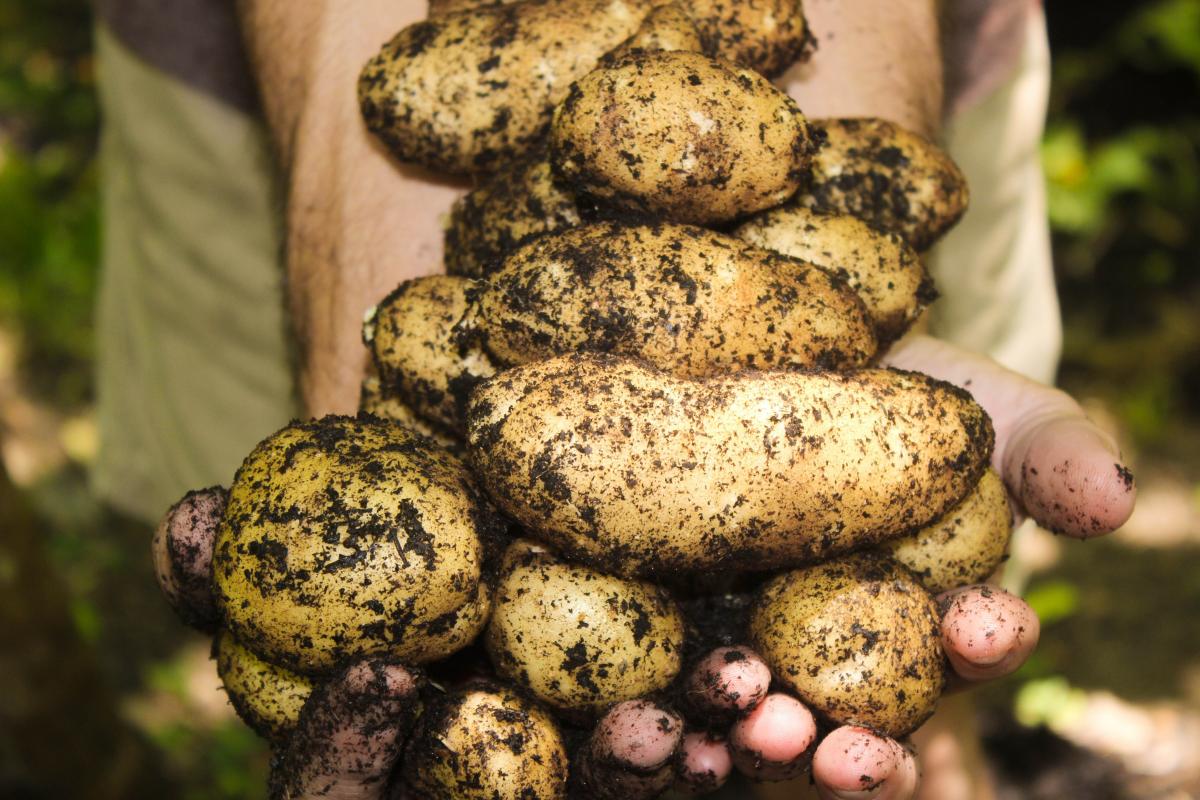
Share your favourite main crop potato recipe and win a copy of our mag!
Love potatoes? We will give away free copies of the May 2026 issue to readers whose potato recipes are used in our magazine. To be in the running, make sure you email your family's favourite way to enjoy potatoes: mailbox@nzgardener.co.nz, by March 1, 2026.
 Loading…