






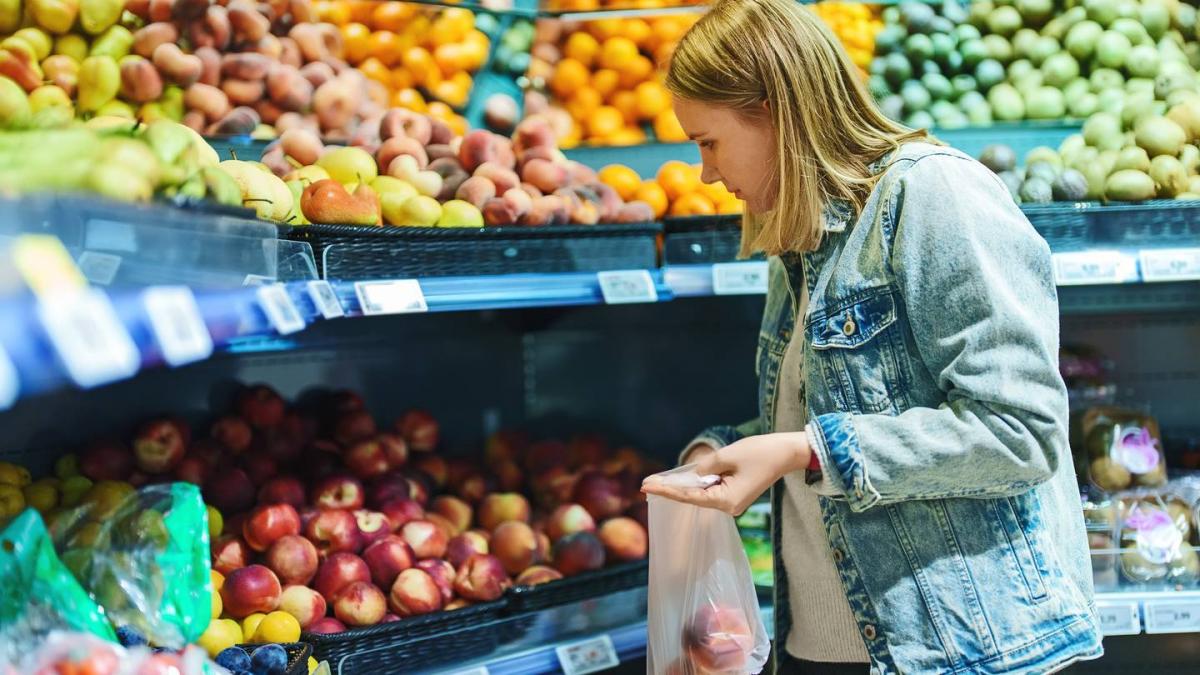
Food prices rose 12.5 per cent in the year to April 30, that’s the highest rate since September 1987.
Yesterday’s food price statistics were a stark reminder that Kiwis are still feeling the pain from the rising cost of living.
Despite the fact that higher interest rates are starting to bite and the economy is starting to slow, we cannot yet relax in the fight to beat inflation.
Anyone who remembers the year to September 1987 will recall the country was in a pre-sharemarket crash, inflationary investment bubble. Mortgage rates were up at eye-watering heights, close to 20 per cent.
Most economists expect the Reserve Bank will need to deliver at least one more Official Cash Rate hike on May 24, taking it to 5.5 per cent.
That will see two-year fixed rates above 7 per cent.
Clearly, we are not seeing a repeat of those 1980s excesses.
With the size of the average mortgage so much larger now (nominally and relative to income) the pain will be real.
There’s no getting around the need to rebalance the economy and pay the price for the Covid stimulus-fueled boom - albeit a boom that successfully protected us from a far more serious economic slump than the one we now face.
But there is hope that we are nearing the end of this painful part of the economic cycle.
On Thursday, markets around the world cheered the news that US consumer price inflation had cooled again - the 10th consecutive month of deceleration.
The US Consumer Price Index climbed 4.9 per cent in April from a year earlier, less than the 5 per cent that Bloomberg’s survey of economists had expected.
Stripping out volatile prices like food and oil, the core measure (that central banks tend to focus on) was an improved 5.5 per cent.
Globally, commodity prices have plunged in the past year. We are now seeing the price effects of the pandemic play through in something like the transitory manner that most economists expected.
But the flow-on through to domestic economies - as local businesses pass on costs and wages rise - is taking longer to unwind.
There was a risk that domestic inflation would spiral and become embedded. And that required central bank action.
In New Zealand, the flooding and weather events have compounded food price inflation, but there will always arise short-term issues to deal with.
Despite that the April food price index rise was not actually a shock to economists - it was in line with expectations.
It won’t have shaken the view that topline inflation has peaked.
As that food price spike plays through the numbers, we’ll be left with wages and employment as the last piece of the puzzle to fall into place.
Once we can be sure that we see the rate of inflation is on the decline, there will be scope for the self-inflicted pain of monetary tightening to be eased.
In other words, the Reserve Bank will have regained some control of the economy - until the next big global shock at least.
====================================================
www.nzherald.co.nz...
====================================================

🧩😏 Riddle me this, Neighbours…
I am an odd number. Take away a letter and I become even. What number am I?
Do you think you know the answer?
Want to stop seeing these in your newsfeed? No worries! Simply head here and click once on the Following button.


Some Choice News!
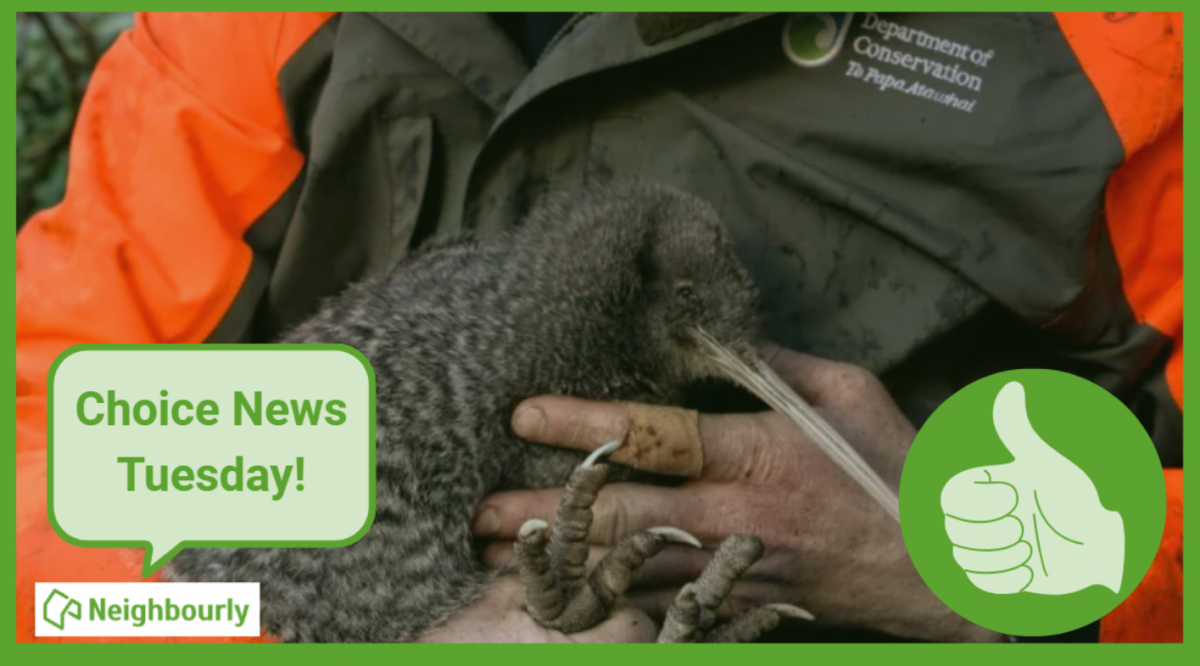
DOC is rolling out a new tool to help figure out what to tackle first when it comes to protecting our threatened species and the things putting them at risk.
Why does this matter? As Nikki Macdonald from The Post points out, we’re a country with around 4,400 threatened species. With limited time and funding, conservation has always meant making tough calls about what gets attention first.
For the first time, DOC has put real numbers around what it would take to do everything needed to properly safeguard our unique natural environment. The new BioInvest tool shows the scale of the challenge: 310,177 actions across 28,007 sites.
Now that we can see the full picture, it brings the big question into focus: how much do we, as Kiwis, truly value protecting nature — and what are we prepared to invest to make it happen?
We hope this brings a smile!

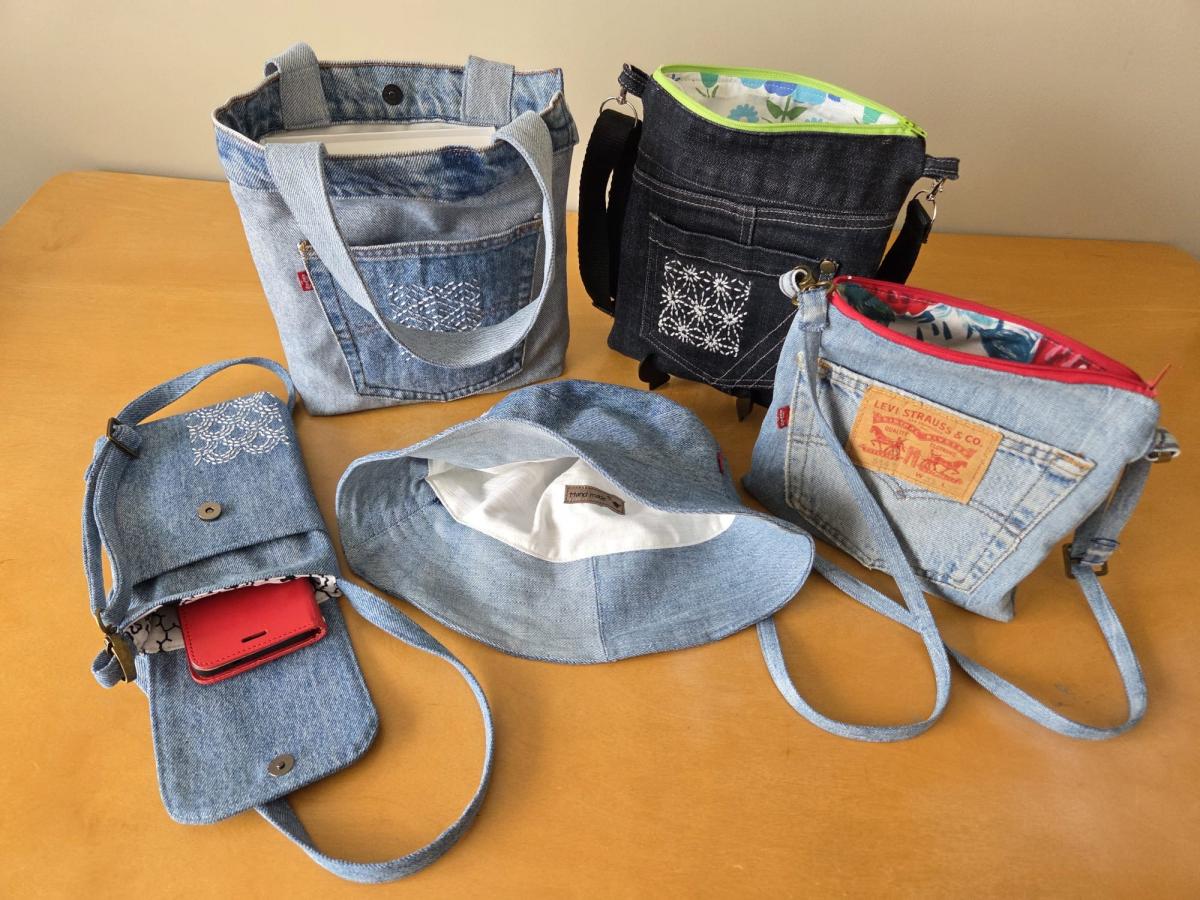
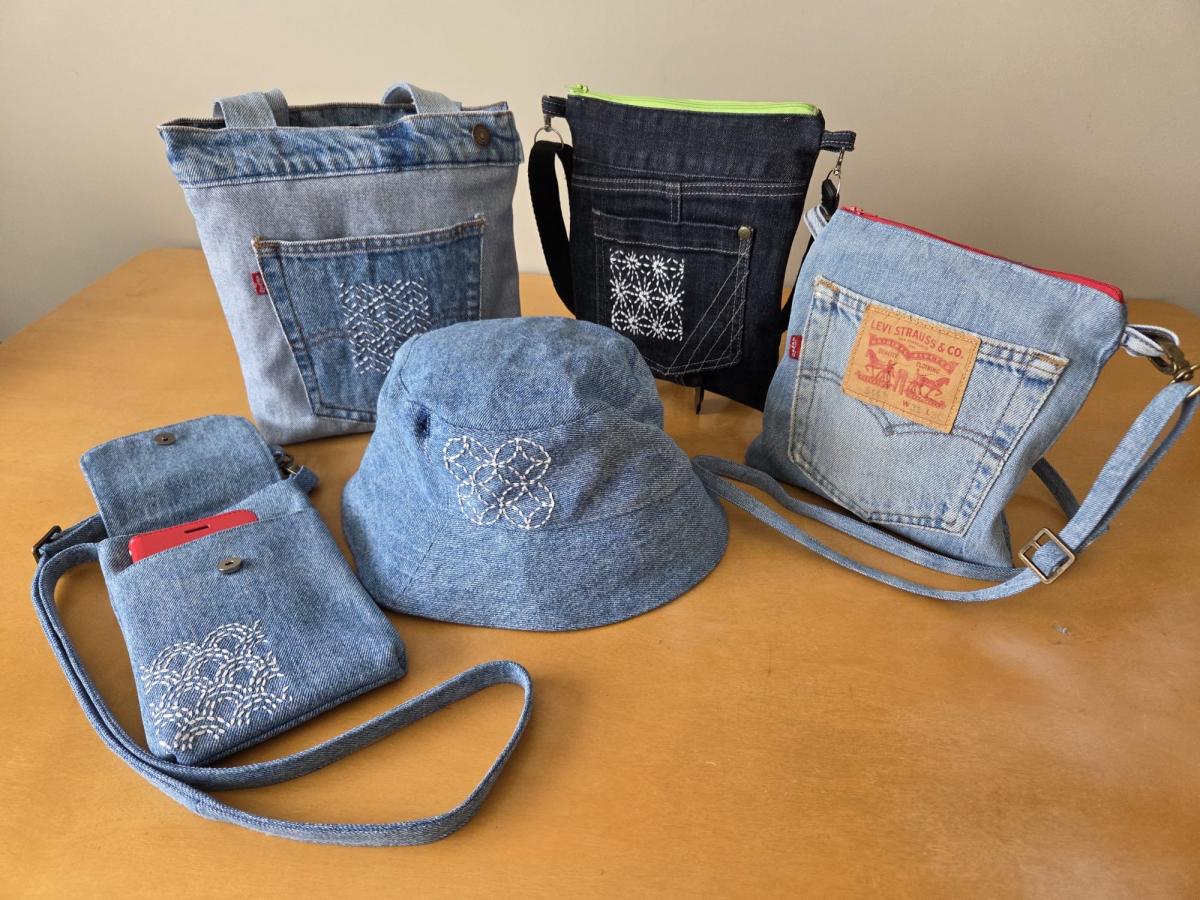
Denim, but make it one-of-a-kind 💙
Not every pair of jeans makes it to the rack... but that doesn’t mean their story ends there. Our talented volunteer Annie has been transforming damaged denim into handcrafted bags, hats and aprons in our Onehunga SPCA Op Shop ✂️🧵
This latest batch even features her own hand-sewn designs, and customers have been loving them, they sell almost as soon as they hit the shelf!
It’s creativity, sustainability and community all stitched together, helping animals in need 🐾
📍 217 Onehunga Mall, Onehunga
🕘 9am–5pm, 7 days
 Loading…