






All the cash boosts Kiwis will get from 1 April
The cost of living crisis has hit many New Zealanders hard, but some help is on the way. From the beginning of April, increases to the pension, benefit, student allowance and childcare subsidies will benefit 1.4 million Kiwis.
At the same time, the minimum wage will also increase by $1.50 to $22.70 per hour.
These increases are being touted as helping the New Zealanders struggling the most right now, Sense Partners economist Shamubeel Eaqub tells The Front Page podcast it will take more than this to solve the ongoing problem of poverty in this country.
“Every little bit helps,” says Eaqub.
“The cost of living has gone up and people who do very hard work on these fairly low-paid jobs are going to find that there’s a little bit more money, but the reality is that because there are just so many taxes, even for very poor people in New Zealaand, not a lot of that will end up in the family kitty.”
============================================
Here’s a rundown of all the changes coming on 1 April:
============================================
Superannuation will increase by over $100 for a couple per fortnight and nearly $70 for individuals.
Main benefits to increase by the rate of inflation, meaning a family on a benefit with children will receive an extra $40.86 a week and a sole parent will receive an extra $31.83 a week.
Student support rates will increase in line with inflation, with single students under 24 without children getting an extra $20.21 per week.
The minimum wage will increase by $1.50 to $22.70 per hour.
The income thresholds for the childcare subsidy will increase.
The latest figures show that 120,000 children are still living below the poverty line in New Zealand, barely decreasing from the figures released last year.
“This shows us we’ve got to do so much more,” says Eaqub.
“We cannot have policies that go thinly over too many people. We’ve got have courage and boldness and we’ve got to spend much more money if we’re actually going to deal with it. Poverty is entirely fixable. We know the kinds of policies that work, but it requires us to take money away policies that are spread too thin and give money to people who do not deserve it.
So what policies would make more sense? Do politicians have the appetite to drive that change? Could childcare subsidies simply lead to increase costs? And is it time to seriously think about changing our superannuation system?
========================================================
www.nzherald.co.nz...
========================================================


🧩😏 Riddle me this, Neighbours…
I am an odd number. Take away a letter and I become even. What number am I?
Do you think you know the answer?
Want to stop seeing these in your newsfeed? No worries! Simply head here and click once on the Following button.

MEF NIGHT MARKET 27 FEBRUARY 2026
**AUCKLAND — WHERE ARE YOU HEADING THIS FRIDAY NIGHT? 👀✨**
The **MEF NIGHT MARKET** is almost here and it’s shaping up to be an amazing night! 🎉🌙
🍔 Street food & sweet treats 🍩
🛍️ Stalls packed with bargains
💎 Hidden gems everywhere
👨👩👧👦 The perfect night out with the whānau
☔ Come rain or shine — we’re fully undercover!
Skip the cooking 🙌 bring your friends 👯 bring the kids 🧒 bring everyone — just don’t miss it 🔥
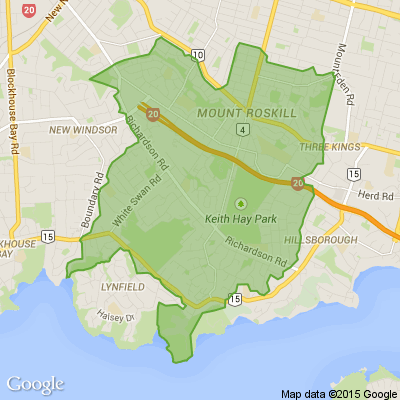
📍 34C Stoddard Place, Mt Roskill
📅 Friday 27 Feb 2026
⏰ 5–10PM
💵 Cash only
See you there! 🎊✨


Some Choice News!
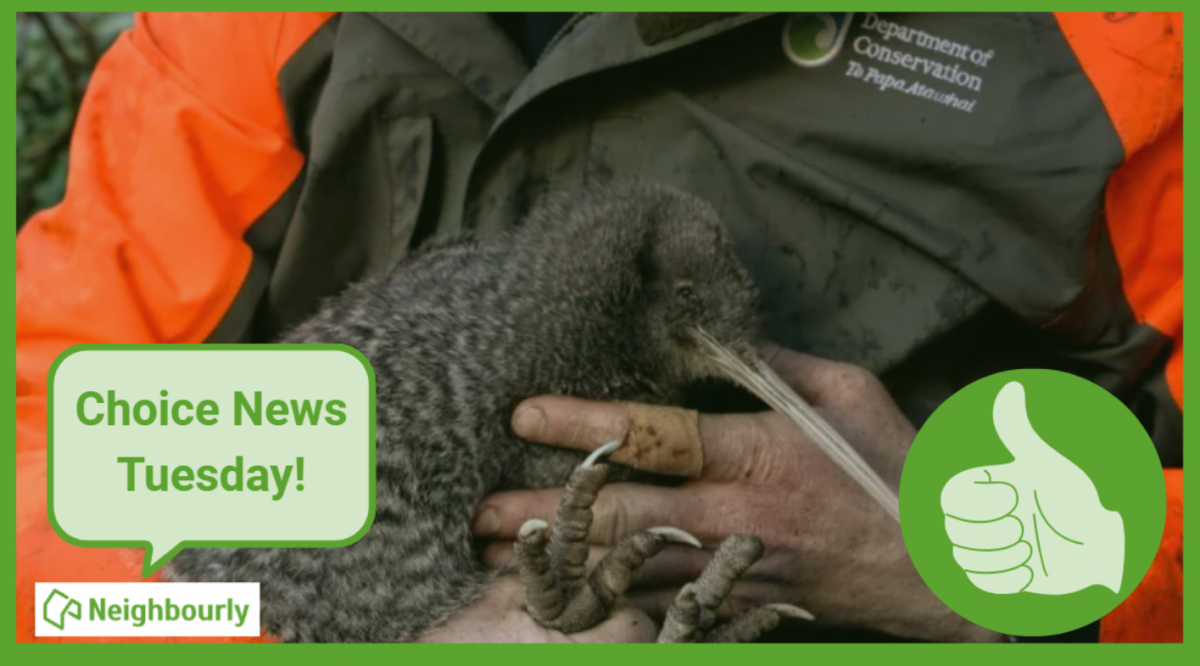
DOC is rolling out a new tool to help figure out what to tackle first when it comes to protecting our threatened species and the things putting them at risk.
Why does this matter? As Nikki Macdonald from The Post points out, we’re a country with around 4,400 threatened species. With limited time and funding, conservation has always meant making tough calls about what gets attention first.
For the first time, DOC has put real numbers around what it would take to do everything needed to properly safeguard our unique natural environment. The new BioInvest tool shows the scale of the challenge: 310,177 actions across 28,007 sites.
Now that we can see the full picture, it brings the big question into focus: how much do we, as Kiwis, truly value protecting nature — and what are we prepared to invest to make it happen?
We hope this brings a smile!
 Loading…