






An 84-year-old widow who feared deportation to Iran has won her appeal and been granted residence in New Zealand, after a tribunal ruled that sending her back would be unsafe and inhumane.
According to a report by Gill Bonnett of RNZ, the Immigration and Protection Tribunal noted that her only son, a New Zealand citizen, works in a national security role and would face danger if he attempted to return to Iran with her. His dual citizenship and professional ties to Western security projects could see him detained on arrival, the decision said.
The tribunal highlighted that deporting the woman would mean permanent separation from her son and force her into “a chaotic and unpredictable environment,” made worse by escalating conflict in the Middle East. At her age, without family support in Tehran, the risks to her survival were deemed “unmanageable” and potentially “fatal,” Gill Bonnett of RNZ reported.
The woman, a retired nurse, had previously travelled to New Zealand before the pandemic and again in recent years. On her last visit, however, she suffered a severe panic attack before boarding a flight back to Iran. A GP confirmed her extreme fear and anxiety about returning.
Her son, a software engineer, told the tribunal it would be impossible for him to live in Iran, given his clearance for restricted documents in New Zealand and affiliation with Western security projects. Such factors, the tribunal agreed, could be perceived by Iranian authorities as treason.
New Zealand’s official travel advisory currently warns against all travel to Iran, citing risks of civil unrest, arbitrary arrest, and detention, RNZ reported.
When the widow’s visitor visa renewal was declined, she became an overstayer. But the tribunal accepted her case on humanitarian grounds, concluding that deportation would be “unjust or unduly harsh,” RNZ reported.
“The country’s current volatile geopolitical situation makes it wholly unrealistic for the appellant to return,” the decision said, adding that her fragile emotional state and lack of social support would leave her unable to cope if sent back, as quoted by RNZ.
The ruling now secures her future in New Zealand, allowing her to remain with her son after years of uncertainty.
==================================================

Poll: Should we ditch daylight saving? 🕰️
First introduced in New Zealand in 1927 with the passing of the Summer Time Act, it's what we know as 'Daylight Saving' and this year it ends on the first Sunday in April.
While we do get to sleep in this time around, some people would like to scrap the clock tinkering for good.
And why? Some evidence suggests the time changes are bad for our health as they mess with sleep patterns leading to short-term fatigue and affecting mood. Meanwhile the hour change is frustrating for farmers and a nightmare for getting the littlies to sleep. But what's your take?

-
39.3% Yes - get rid of the clock changes
-
58.7% No, I enjoy it
-
2% Other - I'll share below

Don't overthink this riddle...
I have a silver sole
but no feet,
I make my living by bringing the heat.
What am I?
Do you think you know the answer? Simply 'Like' this post if you know the answer and the big reveal will be posted in the comments at 2pm on the day!
Want to stop seeing these in your newsfeed?
Head here and hover on the Following button on the top right of the page (and it will show Unfollow) and then click it. If it is giving you the option to Follow, then you've successfully unfollowed the Riddles page.

Poll: How important is the ability to book a doctor’s appointment online?
Hi Neighbours
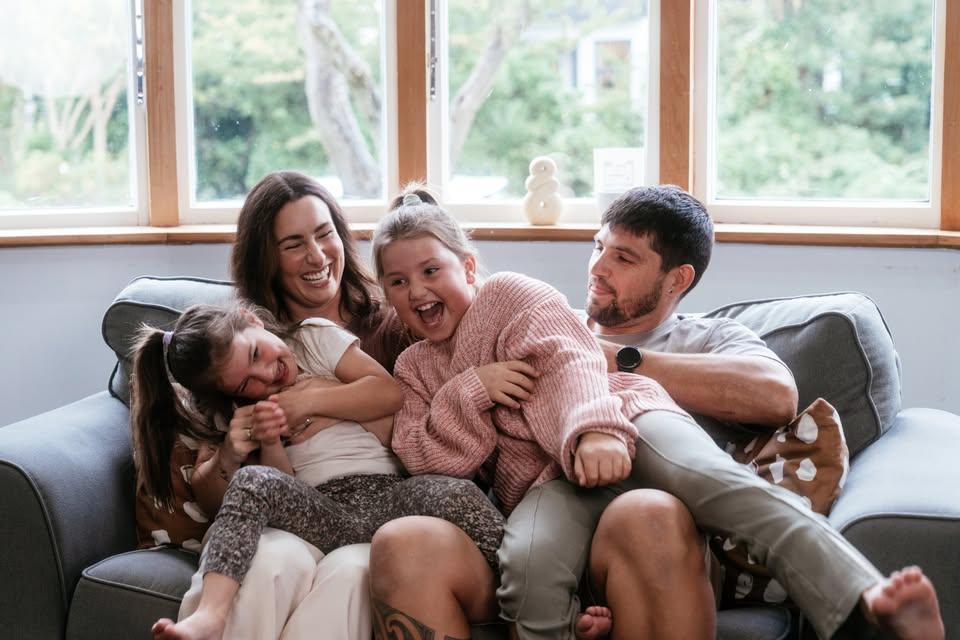
Here at The Doctors we would love to hear how you prefer to book your doctor’s appointments. With busy schedules, different people find different methods easier.
For some, online booking is very convenient, you can make an appointment anytime without needing to wait on the phone. Others still prefer calling the clinic and speaking to a real person, especially if they have specific questions about their visit.
Your feedback helps us understand what works best for our patients and how we can improve access to care.
-
41.6% I prefer booking online whenever possible
-
22.1% Online booking is helpful but not essential
-
33.1% I prefer calling the clinic
-
3.3% I didn’t know online booking was available
 Loading…