





Matariki: The what, why and where to know for this Friday
Matariki is quickly approaching, so what are the rules of the relatively new public holiday and why do we celebrate it?
=============================================
The Te Kāhui o Matariki Public Holiday Act 2022 came into effect in April 2022, establishing the day as a public holiday, the first of its kind to recognise Te Ao Māori.
Similar to Easter, the date of the Matariki public holiday changes from year to year, however, it will always be in June or July. The dates for the next 30 years are already set out in legislation. It will always fall on a Friday.
This year it is this Friday, June 14, next year it is on June 28.
Why do we celebrate Matariki?
=========================
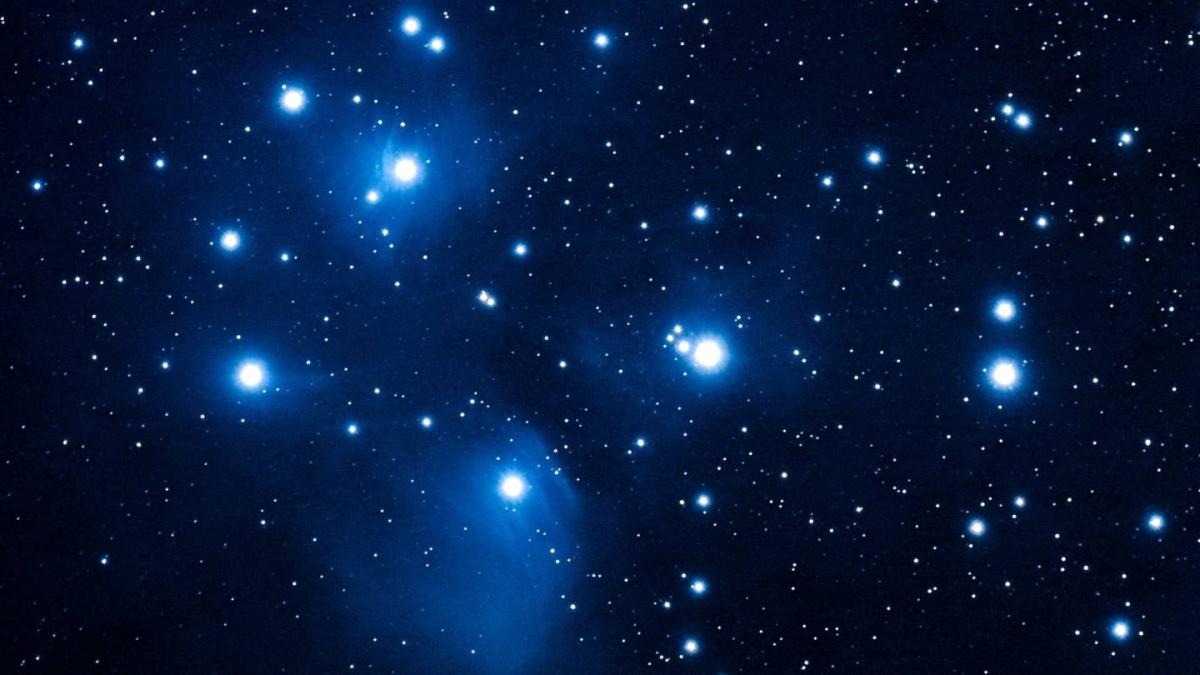
Matariki occurs when the star cluster is made visible mid-winter and heralds the beginning of Te Mātahi o te Tau, the Māori New Year.
“Matariki” is an abbreviation for “Ngā mata o te ariki o Tāwhirimātea”, or “the eyes of the god Tāwhirimātea” and each of the stars holds a unique purpose.
It is said Rehua (Antares) took Matariki as a wife, and the stars represent their eight children, each with a defined role in ao Māori.
The constellation is momentous in many different cultures and religions, it is mentioned in the Koran, the Talmud, and the Bible. It is known as the Seven Sisters in Greece, Krittika in India, Subaru in Japan and Freyja’s Hens in Scandinavia.
Māori iwi have been celebrating Matariki for many, many years, and traditionally it was a time for feasting on abundant food as it fell at the of the harvest.
Matariki is a time for remembering those lost since the last rising, gathering to give thanks and looking forward to the new year.
People celebrate Matariki in different ways, usually, a meal with whanau and friends is common, while others engage in acts of service to connect with others.
Astronomer Dr Rangiānehu Mātāmua, the man widely credited with getting Matariki recognised as a public holiday in New Zealand, spoke to Newstalk ZB and said Matariki “belongs to all of us”.
Asked whether Matariki was “only a Māori thing”, 2023 New Zealander of the Year Mātāmua was emphatic in his response.
“No, no, no, no, no,” he said. “It is a New Zealand Aotearoa thing. Matariki is the Pleiades, and everywhere across the world, it’s the earliest and most well-recorded group of stars in the night sky.
“There’s not a single person in this country or across the world who does not descend from people who used those stars to determine when to plant, when to harvest, the new year, and a whole lot of associated activities.”
What’s going on near me for Matariki?
===============================
There are several festivities around the country taking place this month which make it easy to celebrate the special event. These feature everything from street parties, and astrophotography tours, to light shows and live performances and star gazing.
Starting at the top of the country in the Bay of Islands, you can dine on a four-course meal and sample craft beer and partake in a dawn cruise as the star cluster rises.
Matariki Pēwhairangi Bay of Islands is in its third year and runs until July 22. It includes a beer and wine festival, a party and the historic Duke of Marlborough Hotel plays host to a modern Māori dining experience.
Tāmaki Makaurau Auckland is playing host to hundreds of events and activities across the city.
From Wednesday, July 19 to midnight, the Harbour Bridge will put on a light show every half-hour while Truma, a collection of light and sound installations along Queen St, shines neon lights on the history of the neighbourhood.
Also, a stunning sound and vision display was launched last week at Auckland’s Viaduct Harbour. It features nine illuminated buoys representing the Matariki star cluster, is the brainchild of creative director Tuhirangi Blair and was installed by artist Angus Muir.
Elliott St, meanwhile, will pay homage to its past as a “eat street” by hanging vibrant pātaka kai (food storehouse) insignia above the hip bars, eateries, and shops.
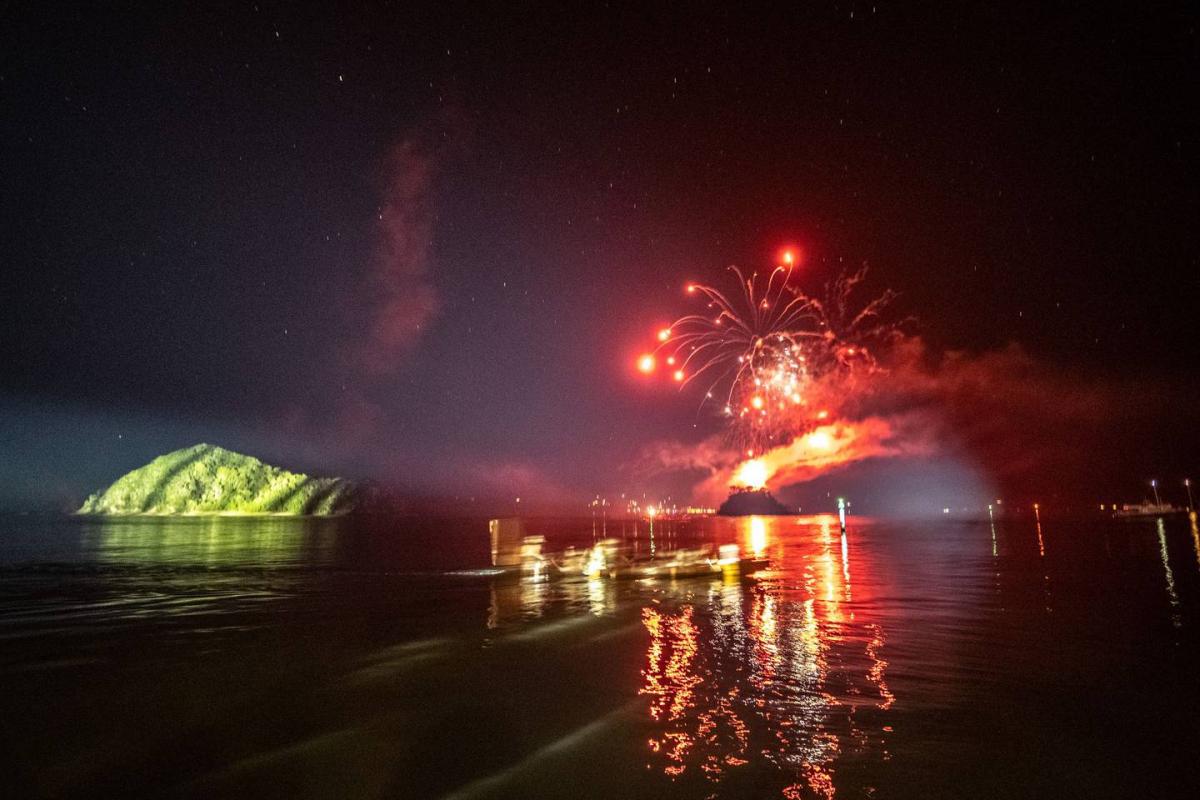
Umu Kohukohu Whetū is one of the three pou events, and it involves lighting an umu, or hangi, on Bastion Point before dawn on Friday, July 14, to the accompaniment of waiata, karanga, and karakia (incantations or prayers).
The nine stars in the Matariki constellation are thought to be represented by the many dishes cooked in the umu, and it is believed that the rising smoke feeds the stars.
On Thursday, July 13, from 5 to 9pm, Henderson’s Catherine St will host a free street celebration with performances by Katachafire, Tiki Taane, and House of Shem. Additionally, there will be cultural performances, kiddie rides, and lots of food stalls.
Kāpiti Coast’s three-week festival, Matariki Ramaroa, is already under way. The Matariki Ramaroa beacon fires will be lit on Friday at Raumati and Ōtaki beaches, allowing for warm stargazing, while the night market at Ōtaki College will take place on Thursday.
In Christchurch, illuminated artworks litter Victoria Square until July 15, so be sure to pop by for a look. Additionally, there will be live readings of Matariki stories and Māori legends as well as light shows on Friday and Saturday nights.
Arrowtown is putting on a spectacular show as the Matariki Arrowtown Lights is back for its second year.
With a koha donation, you can see Buckingham St and the surrounding laneways of historic Arrowtown/Kā Muriwai be transformed into a stunning light show.
Are shops open on Matariki?
=======================
Businesses are not ordered to close for any period during Matariki and there are no other trading restrictions. The sale of alcohol is permitted on Matariki.
Regular public holiday laws apply to anyone working, where they must be paid time and a half. In some circumstances, workers will also be given a paid day off at a later time, known as a day in lieu.
It is important to remember that due to the rise in cost for staff on this day, many businesses will create a surcharge to offset the additional costs.
============================================
www.nzherald.co.nz...
============================================

Dry cleaners mt Roskill
Hello our fellow neighbors I was hoping someone would know where the old dry cleaners we had up at the lights on dominion road have moved to?? I was out of town and when I came back they were gone .... I had some items that I would really love to get back but if only I new where they moved to or how to get In Touch with the owners to see what they did with our clothes if they closed down or moved elsewhere? Any updates or news about it would be amazing neighbors. Have a great day

Valentine’s Special | Custom Massage & Energy Healing
A 120-minute bespoke massage and energy-healing session designed to bring awareness and sensation back into the body. Ideal for a grounding, nervous-system reset, and embodied presence.
Valentine’s Special: $200 (120 minutes)
Session includes
- Intuitive, tailored full-body massage
- Integrated energy-healing work
- Premium organic massage oils
- Custom aromatherapy
- 432Hz healing frequency soundscape throughout
Why Valentine’s?
Valentine’s doesn’t have to be outward or performative. This session is a way to reconnect internally, release stored tension, and return to the body with clarity and ease.
About
Experienced professional masseuse and energy healer. Sessions are one-on-one only and adapted precisely to what the body presents on the day.
Available in Helensville, Auckland CBD, or as a mobile service.
Limited Valentine’s availability.
Message to book or enquire.


Poll: As a customer, what do you think about automation?
The Press investigates the growing reliance on your unpaid labour.
Automation (or the “unpaid shift”) is often described as efficient ... but it tends to benefit employers more than consumers.
We want to know: What do you think about automation?
Are you for, or against?
-
9.2% For. Self-service is less frustrating and convenient.
-
43.7% I want to be able to choose.
-
47.1% Against. I want to deal with people.
 Loading…