





HOUSING INTENSIFICATION
Hello Neighbours!
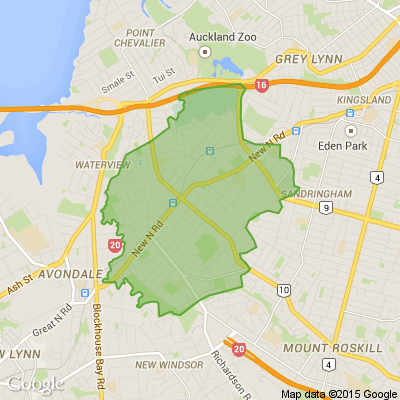
You are probably all noticing the housing intensification that is beginning to take place, with houses being torn down and multi story buildings taking their place – sometimes changing the entire character of long standing residential neighbourhoods. No one can deny that Auckland needs more housing, but a more thoughtful approach to development could improve HOW housing intensification takes place by focusing on development of scale on the main arterial routes for transportation, business, infrastructure AND affordable multi story housing before randomly beginning to dismantle quiet residential neighbourhoods.
It is a fact that in 2016 the Auckland Unitary Plan established building zones throughout Auckland for the regulation of urban development. For example, in my street most of Huntingtree Ave and Vancouver St are zoned as “Mixed Housing Urban”. This allows 3 story townhouses and low rise apartments to be built – with no consent from neighbours - on subdivisions of 300 square meters. Interestingly, many of the major 4 lane arterial routes are not zoned for any greater housing intensification than are nearby quiet residential areas.
You can find the map showing what your zones are at unitaryplanmaps.aucklandcouncil.govt.nz...
Click the + sigh to enlarge the map and scroll for the area you want to explore. (The more you zoom in, the more street names you can see)
On the left click on legend and click the little cone symbol across form unitary plan zones to see what each colour represents
To see what you can do in each zone, go to
www.aucklandcouncil.govt.nz... consents/Pages/what-can-do-zone.aspx
In August of 2020, the government issued a new National Policy Statement on Urban Development (www.mfe.govt.nz...) that reasserted the need for greater intensification in urban areas, especially on major arterial routes where infrastructure is best located. I believe that a National Policy directive trumps (excuse the pun) local council. With a push for greater focus on housing intensification and associated infrastructure on main arterial routes, this might be an opportunity to collectively urge Council to reassess current zoning regulations that allow for three story, two story and even single story housing zones along some of our main arterial routes while three story buildings, that tower over existing single story homes, are starting to pop up randomly in quiet residential streets.
With the number of commuters who park in residential streets close to main transportation routes, many of those streets are already reduced to a single lane for cars to pass through, and parking for locals is restricted. Housing intensification in those streets would only increase that problem. (Note: Residential parking permits are generally something that local residents have to pay for)
From : Recommendations and decisions report on the National Policy Statement on Urban Development Statement on Urban Development:
An NPS has two main effects:
• local authorities must amend their regional policy statements (RPSs), and regional and district plans, to give effect to the NPS
•decision-makers on plans, policy statements, resource consents and other matters must consider the NPS as part of their process.
“The aim is to encourage more effective growth, particularly close to frequent public transport, and walking and cycling facilities. It is also intended to help local authorities make decisions that work for all communities, offering choices for diverse groups and listening to a wider range of voices in the urban planning system”.
I am reaching out for your ideas about what we can do collectively to improve the way intensification is taking place on our streets, in our community, and in other Auckland communities. And I am reaching out for your support in seeking a solution from Council. What other streets might be facing the same problem? Do you know anyone who could be helpful in seeking a solution from Council?
Would you be willing to sign a petition asking Council to amend the Unitary Plan to accommodate a sequence of development that focuses on increasing housing intensification on main arterial routes before encroaching on residential streets?
Let’s get a discussion going!
Kathy Torpie, Sandringham

Poll: Should the government levy industries that contribute to financial hardship?
As reported in the Post, there’s a $30 million funding gap in financial mentoring. This has led to services closing and mentors stepping in unpaid just to keep helping people in need 🪙💰🪙
One proposed solution? Small levies on industries that profit from financial hardship — like banks, casinos, and similar companies.
So we want to hear what you think:
Should the government ask these industries to contribute?

-
59% Yes, supporting people is important!
-
25.5% No, individuals should take responsibility
-
15.5% ... It is complicated

A Neighbourly Riddle! Don’t Overthink It… Or Do?😜
Do you think you know the answer? Simply 'Like' this post if you know the answer and the big reveal will be posted in the comments at 2pm on the day!
If you multiply this number by any other number, the answer will always be the same. What number is this?


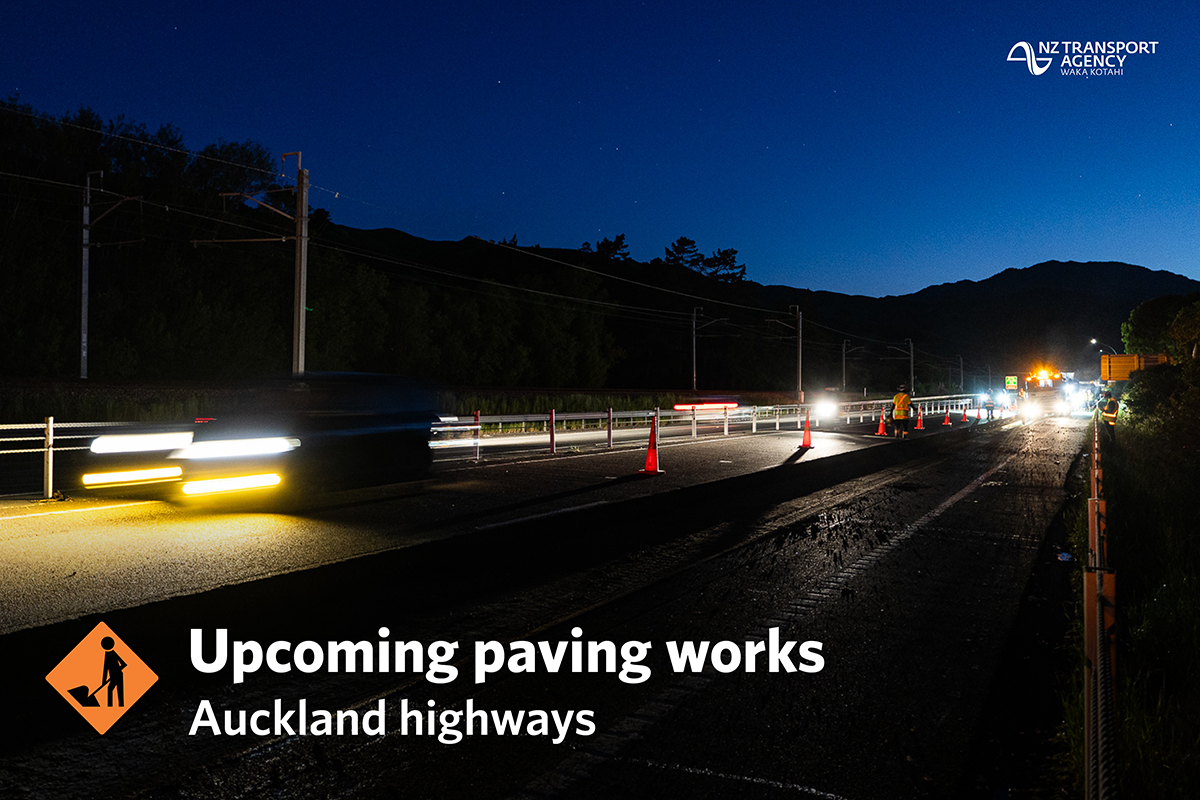
Night-time chipsealing works on SH2
From 9 to 17 February, stop/go traffic management will be in place on SH2 between McPherson Road and Dimmock Road on multiple nights between 9pm and 5am (Sundays to Thursdays).
During the day, all lanes will be open, but speed restrictions will apply to allow the chipseal to set and to protect vehicles travelling over the newly laid surface.
There may be delays to your journey when travelling through the area. This is weather dependent so check NZTA Journey Planner before you travel.
 Loading…