





Workshop on Better conversations and restorative thinking
Restorative thinking helps us to build and maintain good community relationships.
Examples of restorative thinking (or 'restorative practice') are:
- being able to express and talk about what really matters to us
- listening to someone else to understand what matters to them
-identifying causes of conflict as we talk ('positions': in an argument, what I say matters)
- working together to find out our underlying motivations or values (my, your, our 'interests')
- creating conversations that move us from a place of hurt to healing.
We want to promote opportunities for people to talk about and share ideas for restorative thinking.
This workshop is a chance to get a discussion going. It will be very interactive rather than presentations. Let's get talking. Sessions will cover topics such as building connections, developing our confidence in brave conversations and self-facilitation, the role for faith groups in promoting restorative thinking and practice.
Friday 20 October. 10.00 a.m. - 2.00 p.m.
Vegetarian lunch provided.
Brought to you by Onewa Christian Community and ANCAD.
To register:
events.humanitix.com...

Poll: 🤖 What skills do you think give a CV the ultimate edge in a robot-filled workplace?
The Reserve Bank has shared some pretty blunt advice: there’s no such thing as a “safe” job anymore 🛟😑
Robots are stepping into repetitive roles in factories, plants and warehouses. AI is taking care of the admin tasks that once filled many mid-level office jobs.
We want to know: As the world evolves, what skills do you think give a CV the ultimate edge in a robot-filled workplace?
Want to read more? The Press has you covered!

-
58.5% Human-centred experience and communication
-
13.1% Critical thinking
-
25.7% Resilience and adaptability
-
2.7% Other - I will share below!
Poll: Should complete designs be shared with the public, or should the community help shape the designs from the start?
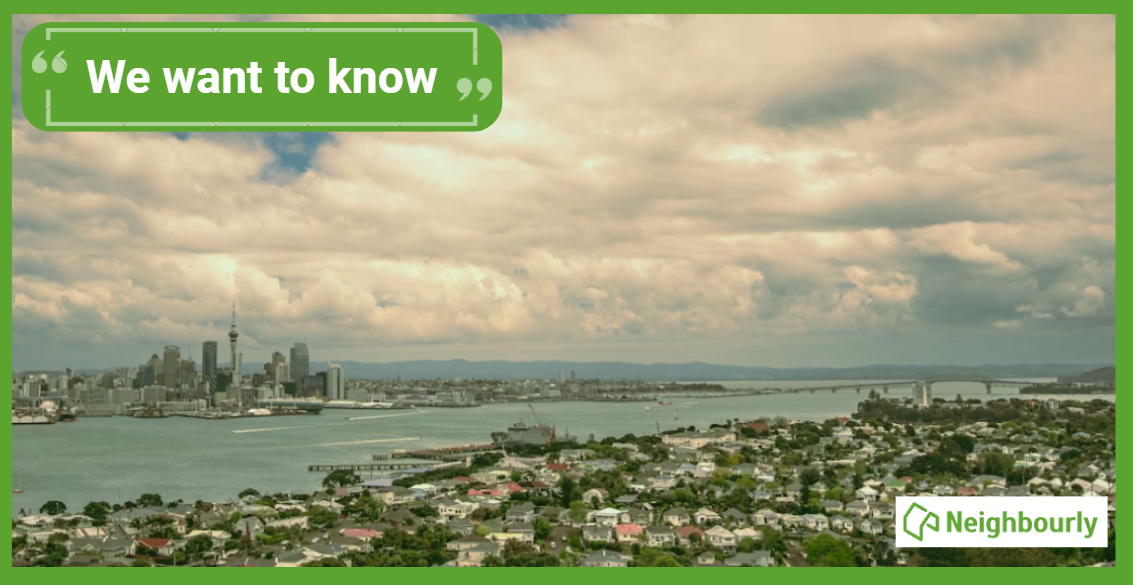
The Post recently shared an opinion piece on the Harbour Crossing and why a more democratic approach might be needed 🚗🚲👟
While most decisions sit within the political arena, many organisations—like NZTA—manage long-term projects that go beyond party lines. Politics can sometimes disrupt progress, and the next Harbour Crossing is a big decision that will affect all Aucklanders.
We’d love your thoughts: Should near-complete, shovel-ready designs be shared with the public, or should the community have a hand in shaping the designs from the start?
-
77.1% Community feedback and transparency is needed.
-
22.9% No. This would be impossible in practice.

Brain Teaser of the Day 🧠✨ Can You Solve It? 🤔💬
Make a hearty dish. Take just half a minute. Add four parts of kestrel. Then just add one. What have you made?
(Trev from Silverdale kindly provided this head-scratcher ... thanks, Trev!)
Do you think you know the answer? Simply 'Like' this post and we'll post the answer in the comments below at 2pm on the day!
Want to stop seeing these in your newsfeed? No worries! Simply head here and click once on the Following button.
 Loading…