





Which region in New Zealand is the most generous?
The most generous region in New Zealand for Givealittle donations has been revealed in a new report, which shows Kiwis gave $31.6 million to fundraisers this financial year.
The report has also highlighted some of the worthy causes that received money this year, including a woman who needed money for overseas cancer treatment, the Relief Aid Gaza Appeal, and a mayoral relief fund for flood-hit Wairoa.
While Auckland took out the top spot for the amount of money given, with $14.2m, the 2025 Generosity Report showed Gisborne and Northland gave the highest amounts per donation compared with the rest of the country.
Gisborne locals were the most generous, giving $108 on average per donation. Northland was the only other region to crack three figures, with residents donating an average of $100 each time.
“We are highly sympathetic to the challenges many Kiwi households have been dealing with this year, which has also been a hard one for charities, many other organisations, and whole industries,” Givealittle chief executive Lythan Chapman said.
The stories and statistics shared in the report captured a picture of “nationwide giving to nearly every conceivable cause”, she said.
“They are a reminder to us all that the generosity of New Zealanders is unflagging, and when people call for help they will be heard.”
The report showed Kiwis had a soft spot for giving to health-related causes, with 42% of donations going to such fundraisers, totalling $13.2m.
The most-supported page on Givealittle in the year ending June was for Wānaka woman Emma Holden, who needed funds to travel to Shanghai for cutting-edge treatment for her multiple myeloma blood cancer.
Her page raised more than $417,000 for the treatment in a short space of time, showing “how quickly New Zealanders rally when a life is on the line”, the report said.
Kiwis also gave generously to ReliefAid’s Gaza appeal, with more than $191,000 donated and up to $60,000 of donations matched. The support allowed the New Zealand-founded group to provide drinking water to about 60,000 people each month.
Seven of ReliefAid’s nine team members in northern Gaza were killed, while the surviving staff in the south continued their work despite losing homes and loved ones, the report said.
“The generosity and humanity of New Zealanders provided life-saving support for families who had nowhere else to turn,” said ReliefAid founder Mike Seawright.
A popular community-focused cause was the Wairoa mayoral relief fund, started after the town was hit by severe flooding in June 2024.
More than $282,000 was raised across 2152 donations, providing immediate relief for food, shelter and essential supplies.
“This campaign demonstrates how generosity responds not just to individuals, but to entire communities in crisis. It shows the power of collective giving to help towns rebuild after disaster and the Wairoa community has been overwhelmed with the support and kindness they received,” the report said.
Other causes highlighted in the report included the Papakōwhai School’s annual Readathon, which raised $26,000 in one month to bolster funds for teaching assistants and librarians, and the “Power the Brigade” campaign started by Hillmac Electrical to support Havelock Volunteer Fire Brigade, raising more than $10,000.
How Kiwis gave in the 2025 financial year
=================================
$31.6m – total giving via the platform.
365,882 donations made.
$13.2m – the amount given to health-related causes, 42% of all giving.
$3.6m – given to community causes, 11% of all giving.
$14.2m – the amount given by donors in Auckland, the most of any region.
$108 – the average amount given by donors in Gisborne, the highest average in the country. Northland was the other region where average giving topped $100.
$86 – the national donation average.
$50 – the most common donation amount.
49 donations over $10,000
Board chairwoman Charlottle Lockhart said in the report generosity was not “a number on a page”.
“It is a hand offered when someone stumbles, a neighbour dropping off a meal, a community choosing to stand alongside one of its own. At its heart, generosity is about connection, it binds us together in ways that policy and systems cannot,” she said.
Living with a terminal cancer diagnosis herself, Lockhart said she understood “how fragile life is, and how much difference support can make”.
“These are not just statistics – they are lifelines.”
======================================================

Poll: Should we ditch daylight saving? 🕰️
First introduced in New Zealand in 1927 with the passing of the Summer Time Act, it's what we know as 'Daylight Saving' and this year it ends on the first Sunday in April.
While we do get to sleep in this time around, some people would like to scrap the clock tinkering for good.
And why? Some evidence suggests the time changes are bad for our health as they mess with sleep patterns leading to short-term fatigue and affecting mood. Meanwhile the hour change is frustrating for farmers and a nightmare for getting the littlies to sleep. But what's your take?

-
33.7% Yes - get rid of the clock changes
-
65.2% No, I enjoy it
-
1.1% Other - I'll share below

Poll: How important is the ability to book a doctor’s appointment online?
Hi Neighbours
Here at The Doctors we would love to hear how you prefer to book your doctor’s appointments. With busy schedules, different people find different methods easier.
For some, online booking is very convenient, you can make an appointment anytime without needing to wait on the phone. Others still prefer calling the clinic and speaking to a real person, especially if they have specific questions about their visit.
Your feedback helps us understand what works best for our patients and how we can improve access to care.

-
39.7% I prefer booking online whenever possible
-
20.9% Online booking is helpful but not essential
-
35.8% I prefer calling the clinic
-
3.6% I didn’t know online booking was available
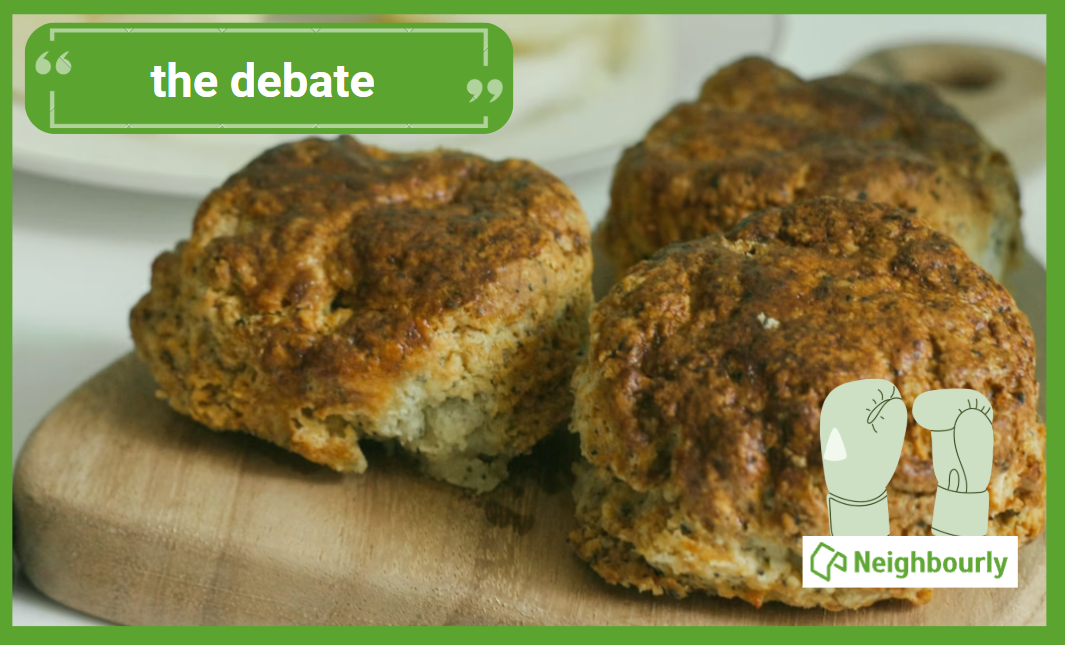
Poll: Does a savoury scone require cheese on top, or folded inside?
Help settle the great kiwi debate ... cheese on top, or folded inside?
-
76.3% Inside!
-
23.7% On top!
 Loading…