






After Armistice: dealing with the effects of war
As we commemorate the 101st Armistice Day, it's timely that we reflect on the aftermath of the First World War; not only the massive scale of loss, but also the ongoing suffering experienced by those who returned from the first industrialised war.
Arriving in back in Wellington, Colonel Evans pointedly reminded the soldiers of those left behind: “Remember,” he said, “When you go ashore you are not heroes. The heroes lie in France”. Having lost their comrades in the thousands, the soldiers hardly needed to be reminded of their 'luck' in making it through. Yet for those who survived, the physical and mental toll of the war was immense and for many unspeakable. Each service person confronted the psychological and emotional impact of a war unprecedented in its violence in their own personal way.
One soldier who suffered through his war service was Private Ivor Norman (Norm) Fleet 31249. A bushman who enlisted in Taumarunui, Fleet fought with the Wellington Infantry Regiment and received gunshot wounds to both legs during a clean-up operation at Bellevue Spur on 22 October 1917. His right leg was later amputated and he eventually returned to New Zealand where simply carried on with his life, marrying Elsie Petley in 1928, building his own house and forging a long and productive career. Norm rarely spoke of the war and relatives only recall seeing him in tears as his nephews left for the Second World War; a small clue to the pain that returned servicemen held inside. Like Norm, millions suffered silently in the aftermath. Today we honour their service and acknowledge the immeasurable suffering that came from it.
Lest we forget.
Find out more about Armistice Day and the Museum's collections here. www.aucklandmuseum.com...



Auckland Seniors & Travel Expo
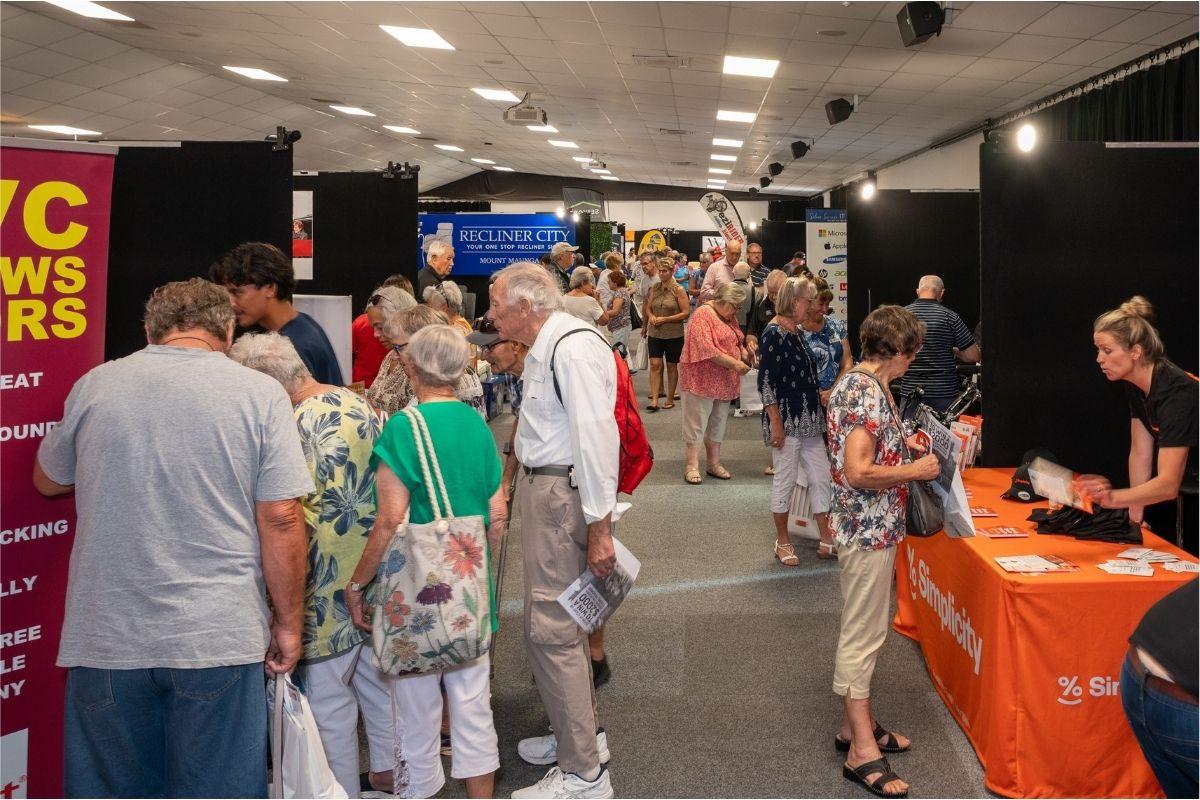
Neighbourhood locals are invited to the Auckland Seniors & Travel Expo, a relaxed and welcoming event bringing lifestyle, leisure, and travel together under one roof. Meet 50+ exhibitors showcasing travel ideas, retirement living, mobility solutions, health services, finance, and local clubs. Enjoy live music from Kulios, café seating, door prizes, and be in to win a Luxury Beachfront Escape for Two to Rarotonga.
North Harbour Stadium
28 February & 1 March
10:00am – 3:00pm
$10 entry

Poll: Should the government levy industries that contribute to financial hardship?
As reported in the Post, there’s a $30 million funding gap in financial mentoring. This has led to services closing and mentors stepping in unpaid just to keep helping people in need 🪙💰🪙
One proposed solution? Small levies on industries that profit from financial hardship — like banks, casinos, and similar companies.
So we want to hear what you think:
Should the government ask these industries to contribute?

-
60% Yes, supporting people is important!
-
25.7% No, individuals should take responsibility
-
14.3% ... It is complicated

Even Australians get it - so why not Kiwis???
“Ten years ago, if a heatwave as intense as last week’s record-breaker had hit the east coast, Australia’s power supply may well have buckled. But this time, the system largely operated as we needed, despite some outages.
On Australia’s main grid last quarter, renewables and energy storage contributed more than 50% of supplied electricity for the first time, while wholesale power prices were more than 40% lower than a year earlier.
[…] shifting demand from gas and coal for power and petrol for cars is likely to deliver significantly lower energy bills for households.
Last quarter, wind generation was up almost 30%, grid solar 15% and grid-scale batteries almost tripled their output. Gas generation fell 27% to its lowest level for a quarter century, while coal fell 4.6% to its lowest quarterly level ever.
Gas has long been the most expensive way to produce power. Gas peaking plants tend to fire up only when supply struggles to meet demand and power prices soar. Less demand for gas has flowed through to lower wholesale prices.”
Full article: www.theguardian.com...
If even Australians see the benefit of solar - then why is NZ actively boycotting solar uptake? The increased line rental for electricity was done to make solar less competitive and prevent cost per kWh to rise even more than it did - and electricity costs are expected to rise even more. Especially as National favours gas - which is the most expensive form of generating electricity. Which in turn will accelerate Climate Change, as if New Zealand didn’t have enough problems with droughts, floods, slips, etc. already.
 Loading…