





New NZQA Micro-Credentials
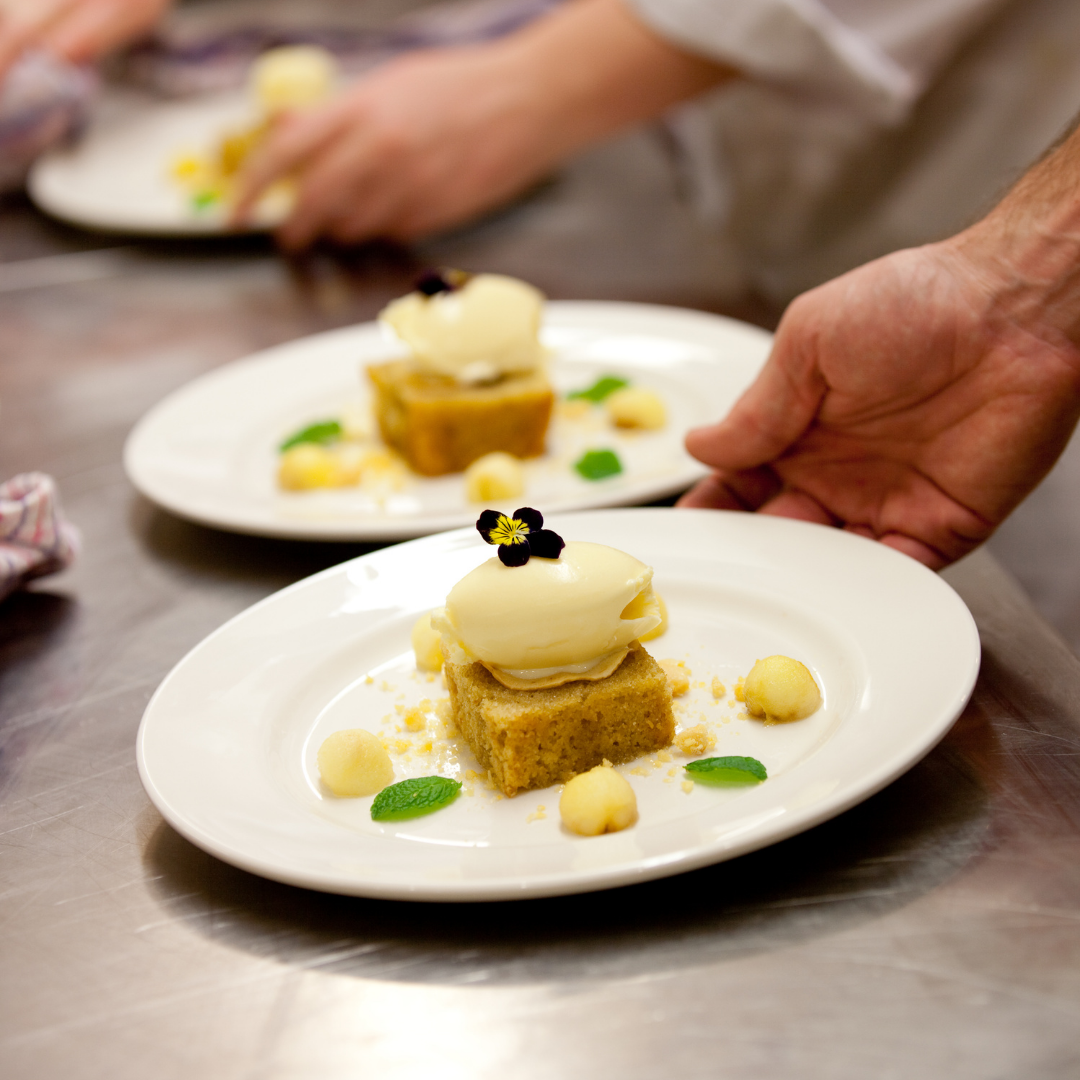
We shine the light on the best New Zealand has to offer in terms of fresh ingredients, transformed into outstanding cuisine, exceptional wines and beverages, our spectacular scenery captured by so many memorable tourism experiences, yet as nation, we still struggle to understand and tell this story.
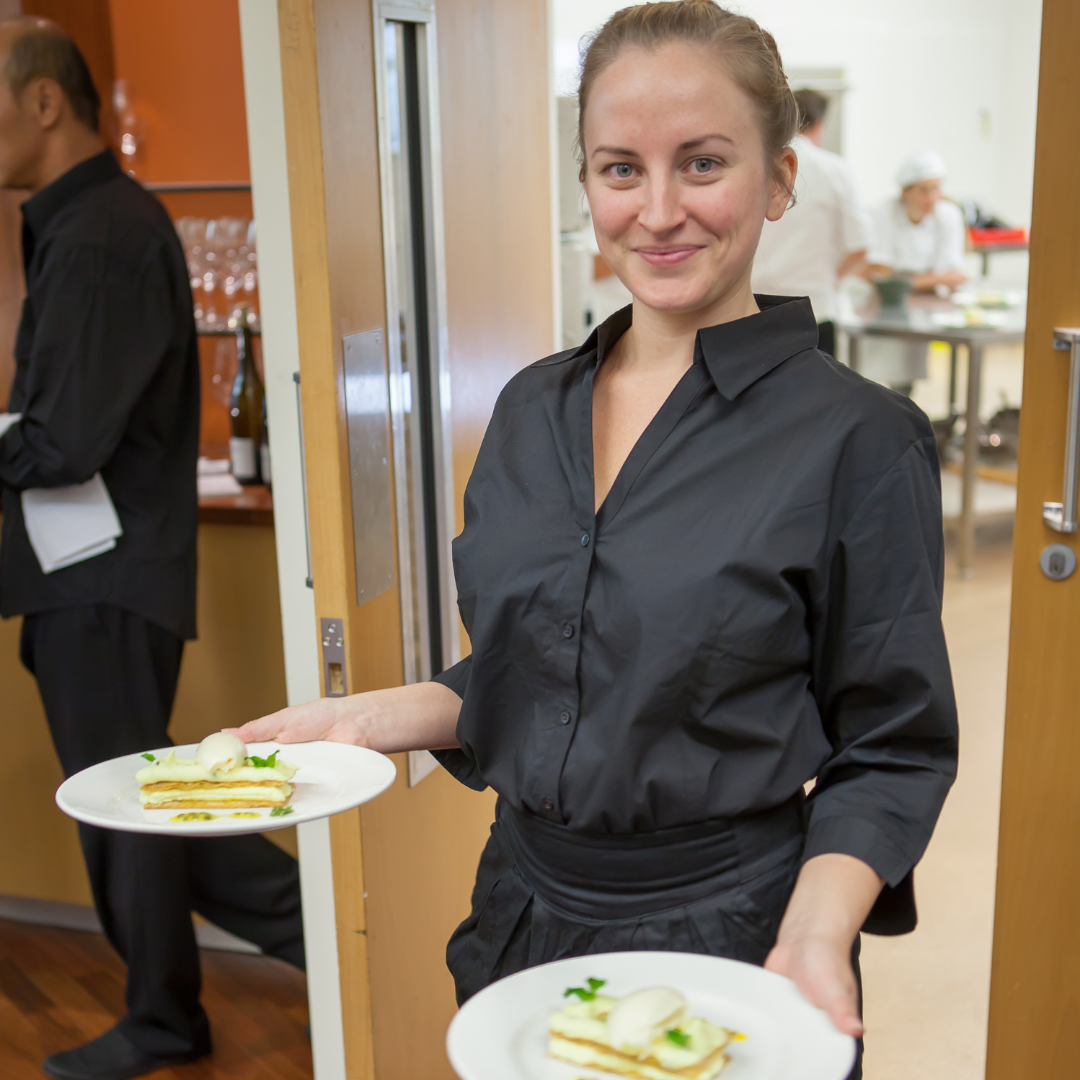
With NZQA approval for 13 micro-credentials, the New Zealand School Food and Wine hopes to inspire and attract new people to jobs in hospitality, wine and tourism and also enhance wider community understanding of our food and beverage story.
We export food and wine to the world, yet pride in this achievement is often lacking by our own communities.
There is a crisis right now because job-seekers, including school leavers, are being pushed into other industries especially the building trades. There is a perfect storm of government incentives paid to employers, along with negative counsel from career advisors and families warning young people off seeking careers in hospitality and tourism. This is resulting in a critical lack of workers.
In developing this suite of short, part-time micro-credentials that range from classic cooking to food and beverage history to food costing and digital marketing, we are seeking to inspire people to dip their toes into our sector, even if they are currently working or studying elsewhere.
In addition, these micro-credentials enable people already employed to develop new skills and craft new talents but to also signal that this career pathways is valid, diverse and on-going. Just look at our food heros, like Peter Gordon and Annabel Langbein, now in their 60s, with a tremendous backstory.
From the various lockdowns, we know that people find joy in cooking and that people are curious to develop new talents in the kitchen; that wine and cocktails are cool and fun; that an important part of any tourism destination is the food and beverage offering whether as a winery cellar door experience or paddock to plate cuisine.
Online Options
Online study options are embedded in many of the short programmes, enabling people from around the country to study about New Zealand wine or learn how to write an electronic newsletter or find out more about our food history.
The micro-credentials are equally suitable for the consumer; the food and wine lover who just wants to learn more. In building broader community understanding and respect for the food and beverage culture of Aotearoa-New Zealand, inevitably we will see more people attracted to work in our sector. That is the shared goal of these new programmes.


Poll: Should we ditch daylight saving? 🕰️
First introduced in New Zealand in 1927 with the passing of the Summer Time Act, it's what we know as 'Daylight Saving' and this year it ends on the first Sunday in April.
While we do get to sleep in this time around, some people would like to scrap the clock tinkering for good.
And why? Some evidence suggests the time changes are bad for our health as they mess with sleep patterns leading to short-term fatigue and affecting mood. Meanwhile the hour change is frustrating for farmers and a nightmare for getting the littlies to sleep. But what's your take?

-
40.5% Yes - get rid of the clock changes
-
57.6% No, I enjoy it
-
1.9% Other - I'll share below

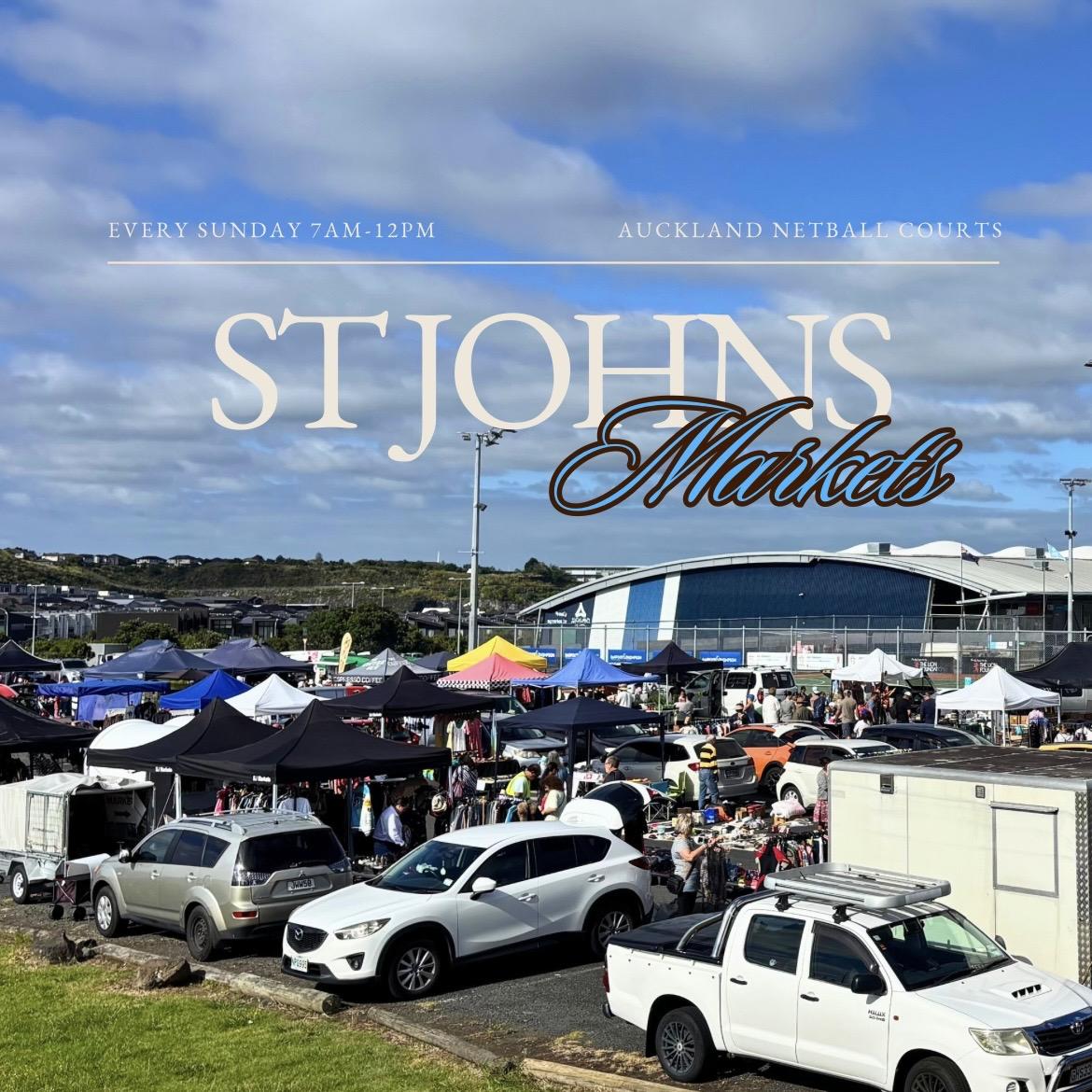
Sunday Market at St Johns – Come Say Hi!
Hi Neighbours !!!!
If you’re looking for an easy, feel-good way to start your Sunday, pop down to the St Johns Market it’s on every week and always worth a visit
Expect plenty to enjoy:
Delicious Food and Drink
Seasonal fruit & veg from local growers
Handmade goodies & crafts
Clothes, toys
It’s a laid-back, welcoming spot to catch up with neighbours, support local, and soak up the community vibe.
Stay connected & get updates:
Facebook
info.sjmarket@gmail.com
0274 671 446
Bring the kids, bring the dog, or just bring yourself and make a morning of it hope to see you there!
7 Allison Ferguson Drive, Auckland Netball Courts
Poll: Are you still heading to your local for your caffeine fix, or has the $$ changed your habits? ☕
Auckland has a thriving cafe culture, but with costs climbing, that culture is under pressure. We’ve seen the headlines about recent closures across the country, and it’s a tough pill to swallow along with a $6+ coffee.
We all want our favourite spots to stay open, but we also have to balance our own budgets ⚖️
We want to know: How are you handling the "coffee math" in 2026? Are you still heading to your local for a chat and a caffeine fix, or has the cost of living changed your habits?
Keen to read more about "coffee math"? The Post has you covered.

-
42.7% I avoid spending money on coffee
-
41.1% I still indulge at my local cafe
-
16.1% Irrelevant - coffee is not for me
 Loading…