







ACC turns to AI to decide who to help
A move by ACC to use artificial intelligence to help decide which long-term claimants should go back to work is being called "shocking".
It comes as the state insurer is under instruction from its minister to reduce the long-term claims pool.
There are about 25,000 long-term claimants that have been receiving compensation for a year or more, the most there had ever been.
ACC earlier this year commissioned advice to work out how it could both remove existing clients, and prevent new ones from entering the pool.
In the year to June 2025 a record 8000 long-term claimants were taken off its books because they were deemed "work ready".
ACC planned to ramp up exits even more, with a goal of 11,675 by next June.
By 2028 it hoped to have more people coming out of the long-term pool than going in.
"Nothing in ACC's proposals actually looks at rehabilitation," ACC advocate Warren Forster told Nine to Noon.
"It's all about 'how can we ramp up exits, how can we get more people coming off the scheme', and that's the antithesis of the statutory purpose. It's the antithesis of why we have ACC in New Zealand."
ACC said it was committed to helping injured people return to independence or to their new normal after life-changing injuries.
"It's important that we manage the scheme sustainably so it's there for Kiwis when they need it, now and in the future," ACC deputy chief executive Michael Frampton said.
He said some long-term claimants would need financial support for a longer time because of life-changing injuries, but there were some whose injuries would not normally take a long time to recover from.
"That suggests they might not have had the right support and we're actively working with them to help them back to independence," Frampton said.
He said one step was to make sure all long-term claimants have one-to-one case management to make sure they were getting the right support. Frampton said this was already showing positive effects and giving better outcomes.
"ACC is using AI to help identify cases where the client may benefit from a further review by staff member to help ensure that they're receiving the right support," he said.
Acclaim Otago report lead author Warren ForsterWarren Forster. Photo: RNZ / Ian Telfer
Frampton said it also meant providing "advice on next steps".
Forster said 31,000 injured people had been pushed off ACC in the last five years.
"The AI will tell you 'person X has a sprain, they've been off work for six years' or whatever the case might be," he said.
"The AI will say 'well, this person's got a sprain, we'll get rid of them' and that's, you know, when you're blindly following what a model does then you produce junk data".
He said the person might have a disc prolapse or a tendon tear, may have been misdiagnosed or may be in mental health distress.
"Everyone knows the person doesn't have a sprain injury," Forster said.
"AI can tell you that this person has a problem, but AI is not going to tell you what that problem is. What we have is AI identifying someone who ACC can exit."
=======================================================

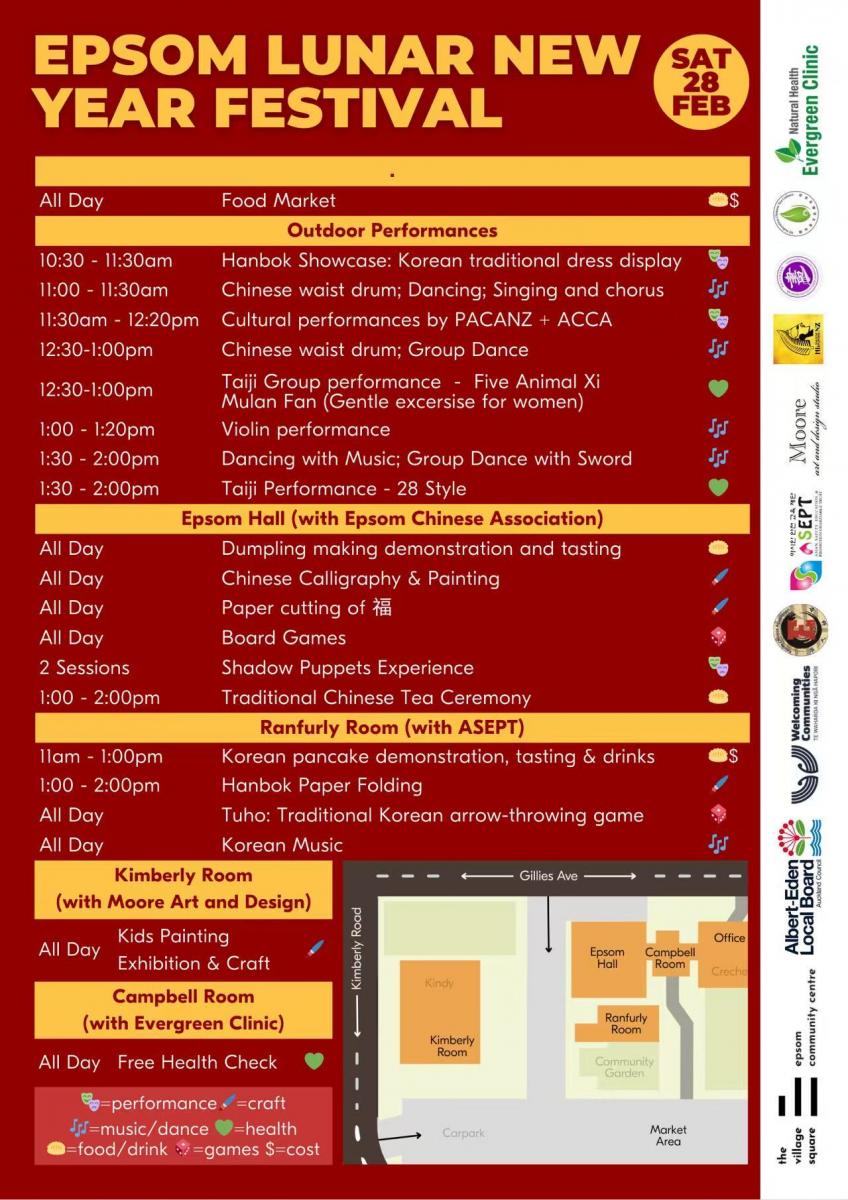
Epsom Community Centre Lunar New Year Festival
Join us at the Lunar New Year Festival in Epsom
A beautiful day of culture, food, and community.
Evergreen Clinic will be there to celebrate with you.
Come visit our booth and connect with us.
We look forward to seeing you



Emma’s wedding dress reveal tells a different love story
A Valentine’s-inspired wedding dress show at Ryman Healthcare’s Logan Campbell Village is providing the perfect opportunity for residents to share memories of their romantic day.
But for Emma Muller, it has also turned into an opportunity to celebrate her late daughter Nicola, who died 19 years ago at the age of 37.


Poll: Should the government levy industries that contribute to financial hardship?
As reported in the Post, there’s a $30 million funding gap in financial mentoring. This has led to services closing and mentors stepping in unpaid just to keep helping people in need 🪙💰🪙
One proposed solution? Small levies on industries that profit from financial hardship — like banks, casinos, and similar companies.
So we want to hear what you think:
Should the government ask these industries to contribute?

-
59.3% Yes, supporting people is important!
-
26.3% No, individuals should take responsibility
-
14.3% ... It is complicated
 Loading…