







Cost of living increases: Who is being hit hardest now?
Beneficiaries and people on NZ Super are experiencing faster increases in the cost of living, while the biggest spenders are getting some relief, new data shows.
Stats NZ has released data for the September quarter, which shows the average New Zealand household experienced a cost-of-living increase of 2.4 percent over the previous 12 months.
That is less than the 3 percent rate of inflation, because it includes a 15.4 percent drop in mortgage interest payments.
Mortgage interest payments were the main contributor to highest-spending households recording the lowest annual inflation, Stats NZ said.
Their annual inflation rate was 0.8 percent, compared with 3.9 percent for superannuitants, who are less likely to be paying mortgage interest. Beneficiaries had costs increasing 3.4 percent and the lowest-spending households had an increase in costs of 4 percent.
Rents increased 2.6 percent over the year to September. Rent makes up 29.5 percent of beneficiary household expenditure. This compares with 13.1 percent for the average household, and 5.1 percent for highest-spending households.
Council of Trade Unions policy director Craig Renney, a former adviser to then-Finance Minister Grant Robertson, said it had historically been the case that people on the lowest incomes had the highest rates of cost-of-living increases.
That had changed after Covid when home loan rates increased sharply but now the situation had reversed. He said it was likely that the impact would continue to be felt in this way.
Council of Trade Unions (NZCTU) policy director and economist Craig Renney.Craig Renney. Photo: Stuff / ROBERT KITCHIN
"Much of the challenges are in administered costs, rates, electricity, going to see the GP, which are rising faster than general inflation."
But Satish Ranchhod, a senior economist at Westpac, said it was important to note that some of the lower-income people who were experiencing higher rates of inflation would be young people in the earlier stages of their careers, who had not yet reached a point where they could buy a house.
"It's misleading to say they're getting hit, they're just at a different place in the lifecycle."
But he said times were still tough for many households, including many lower-income earners.
He said people who had mortgages had experienced large increases in recent years and a much bigger squeeze on their incomes.
The relief they were experiencing was likely to continue as the impact of falling interest rates filtered through to more people, he said.
Other significant increases were an 11.3 percent increase in electricity on average and an 8.8 percent increase in rates.
How are cost increases felt?
========================
Inflation experienced in the 12 months to the September 2025 quarter:
all households 2.4 percent
beneficiaries 3.4 percent
Māori 2.4 percent
superannuitants 3.9 percent
highest-expenditure household group 0.8 percent
lowest-expenditure household group 4 percent.
===================================================

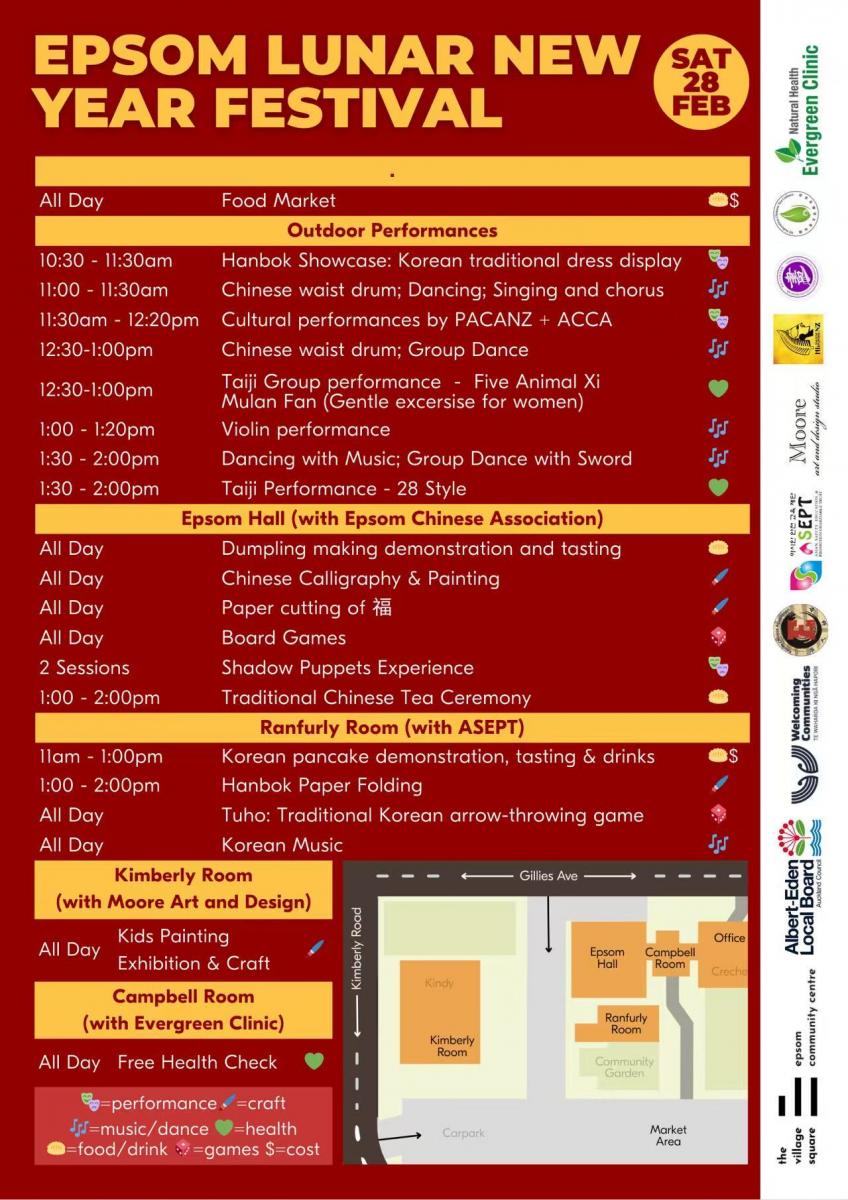
Epsom Community Centre Lunar New Year Festival
Join us at the Lunar New Year Festival in Epsom
A beautiful day of culture, food, and community.
Evergreen Clinic will be there to celebrate with you.
Come visit our booth and connect with us.
We look forward to seeing you



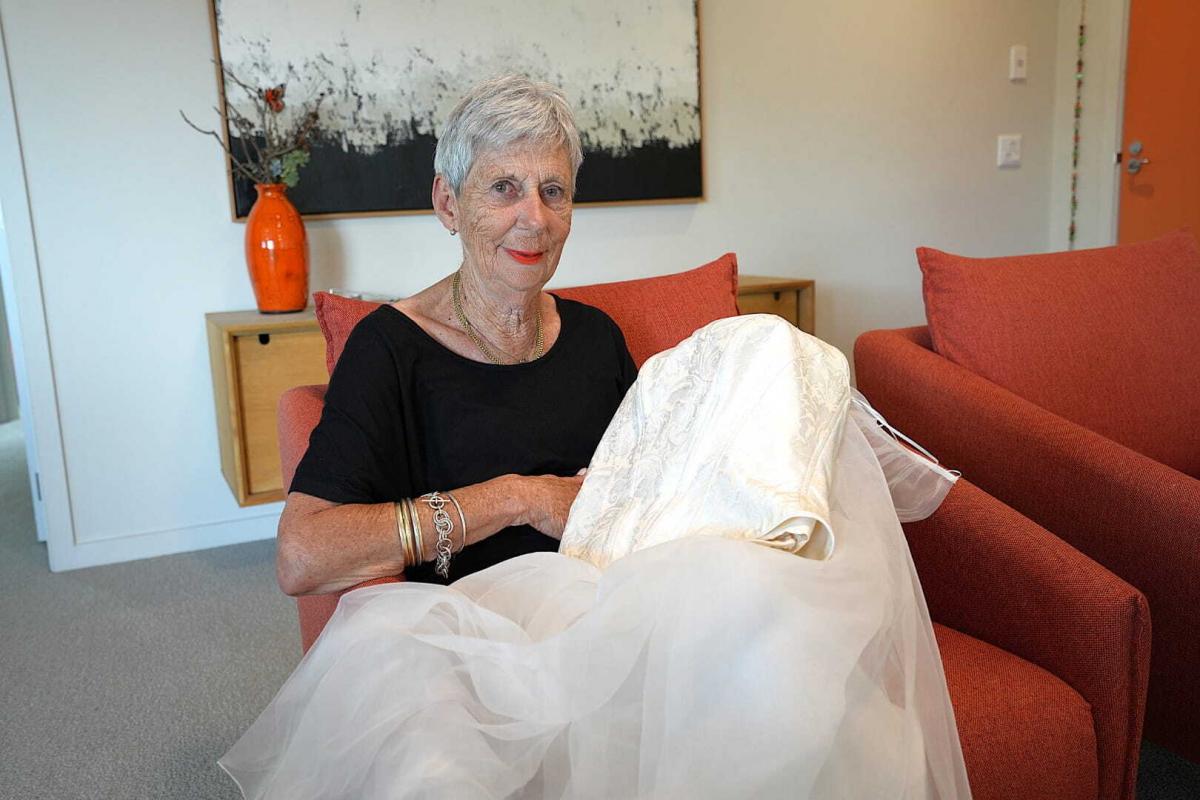
Emma’s wedding dress reveal tells a different love story
A Valentine’s-inspired wedding dress show at Ryman Healthcare’s Logan Campbell Village is providing the perfect opportunity for residents to share memories of their romantic day.
But for Emma Muller, it has also turned into an opportunity to celebrate her late daughter Nicola, who died 19 years ago at the age of 37.

Poll: Should the government levy industries that contribute to financial hardship?
As reported in the Post, there’s a $30 million funding gap in financial mentoring. This has led to services closing and mentors stepping in unpaid just to keep helping people in need 🪙💰🪙
One proposed solution? Small levies on industries that profit from financial hardship — like banks, casinos, and similar companies.
So we want to hear what you think:
Should the government ask these industries to contribute?

-
59.3% Yes, supporting people is important!
-
26.4% No, individuals should take responsibility
-
14.3% ... It is complicated
 Loading…