







Crying at work happens to almost half of us for a variety of reasons. But whether you're the crier or the crier's colleague or manager, what should you do when the tears start to flow?
Midway through a difficult discussion in her performance review, an employee named Jane finally cracks, and the tears start. Her boss doesn’t know what to do and handles the situation awkwardly.
Ask yourself: how would you react in this situation? And would you have the same reaction if it were not Jane who was crying but a different employee, Mike?
It can feel like the consensus is that crying should not take place at work. But crying at work is not unusual.
A lot of crying at work happens in the restrooms.
According to a recent survey by mental health app company Headspace, 48% of in-person workers and 44% of hybrid workers have cried due to work. Among fully remote workers, the figure was 70%.
So, do we need to rethink our attitude towards it? And what can you do if you or somebody you know cries at work?
It’s OK to cry
==========
There are many different reasons people cry at work. Difficulties meeting workload demands, interpersonal conflict and major workplace change are all examples of stressors that can contribute to poor mental health and crying.
If it looks like a colleague is crying, it can be hard to know what to say.
But people may also be distressed at work for personal reasons completely unrelated to their work. Whatever the reason, crying is a normal healthy response that should not be suppressed.
Why does crying at work feel different? Crying outside of work is not uncommon – it’s normal at weddings, funerals and other life events. But in the workplace, it can feel unexpected, intense and out of character, making the crier and those around them uncomfortable.
The resulting awkwardness may lead to questions about the motives of the crier. Is this person crying because they are genuinely upset, or are they trying to manipulate the situation?
If a colleague or manager sees the crying as insincere, they will react differently than if they think it’s a display of real emotion. If the crying is believed to relate to an acceptable reason, such as passion or care for the work or significant personal circumstances, the crier is more likely to be excused.
Crying at work may negatively impact career progression, particularly if it is a regular occurrence and distracting from performance.
Gendered norms
==============
Gender norms can also be a factor in crying and how others react to it. Women are more likely to cry and suffer from the consequences of negative stereotypes, including being viewed as emotional, weak or unprofessional. For men, crying is regarded as less acceptable and in violation of male stereotypes.
Regardless of gender, the fear of being seen as unprofessional or insincere can discourage people from crying at work. An organisation’s unique social norms and culture may also influence the way tears are interpreted.
In some workplaces, employees may feel pressured to regulate their emotions, while in more supportive workplaces, emotions are regarded as being part of the human experience.
How to respond
=============
When someone is crying at work, keeping a few important things in mind can help everyone involved feel seen and supported. Here are some tips.
For the person crying:
==================
Shift your focus. Take a deep breath and redirect your thoughts. This will allow you to focus on the matter at hand rather than the tears.
Take a break. Ask for time out to compose yourself. This demonstrates emotional maturity and acknowledges your crying may cause others discomfort.
Reframe the emotion. Help others understand that your response comes from a place of care and deep passion. Clarify if the tears are work or non-work-related to give perspective and understanding.
Seek help if you need it. Consider sources of additional support, such as a doctor or a counsellor.
For a manager or colleague:
=======================
Be prepared. Workers are human, and sometimes they cry. Having an appropriate location for people to take some time out – and small touches like offering a box of tissues – can make a big difference.
Show empathy. Listen actively, don’t jump to conclusions and respect boundaries. Your reaction and behaviours can have a big influence on what happens next.
Challenge your bias. One crying episode does not necessarily demonstrate weakness or a lack of professionalism.
Understand your zone of influence. Is the crying a result of something you, as a manager, have control over? Know your responsibilities and obligations.
Seek help. Unless you are a trained counsellor, you are not a trained counsellor. Know when to seek professional support for yourself or others.
With the intensity and uncertainty of life, it is not surprising that workers may become overwhelmed at times. Crying is a natural part of human behaviour, and it should not come as a surprise in the workplace.
=====================================================
Lost Cat
SMOKEY
MISSING since 7th Feb 26
Grey green eyes
Very shy
Missing from Dominion road near St Albarns church.
Jan 0274374334

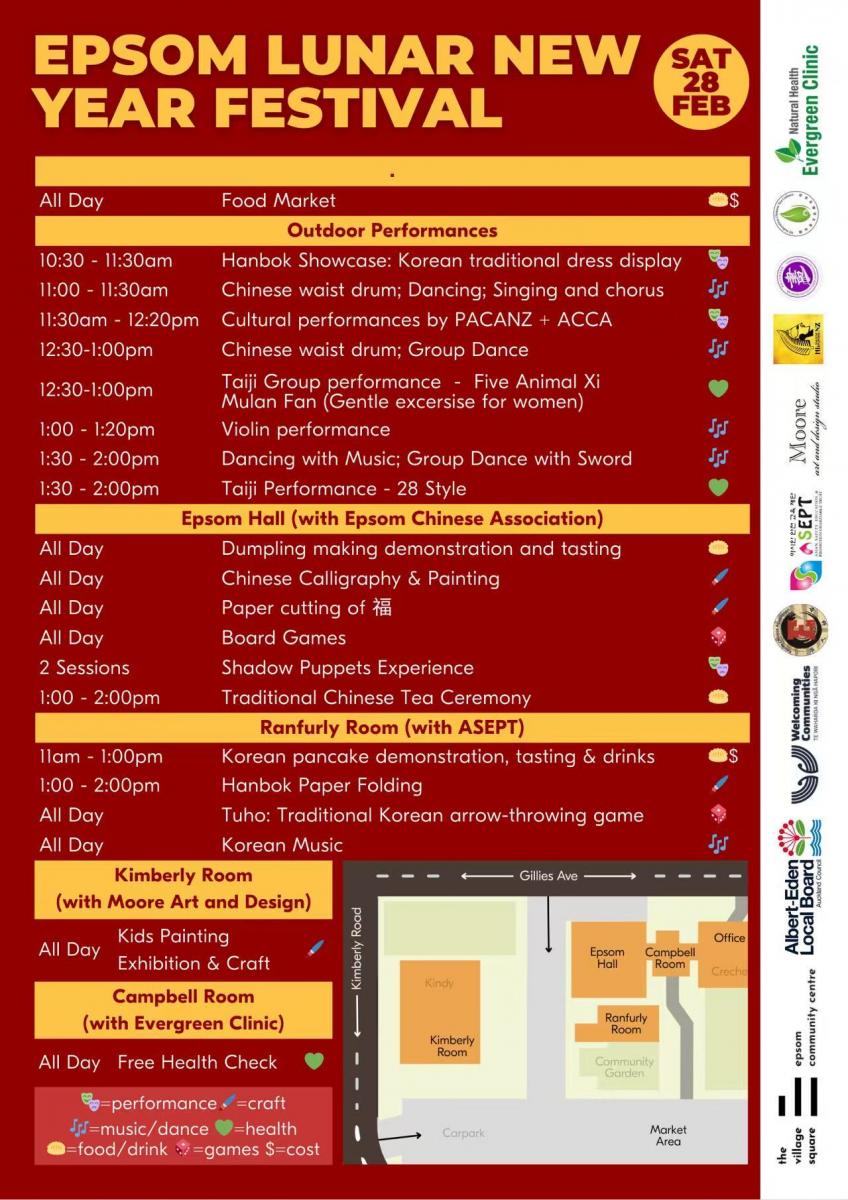
Epsom Community Centre Lunar New Year Festival
Join us at the Lunar New Year Festival in Epsom
A beautiful day of culture, food, and community.
Evergreen Clinic will be there to celebrate with you.
Come visit our booth and connect with us.
We look forward to seeing you



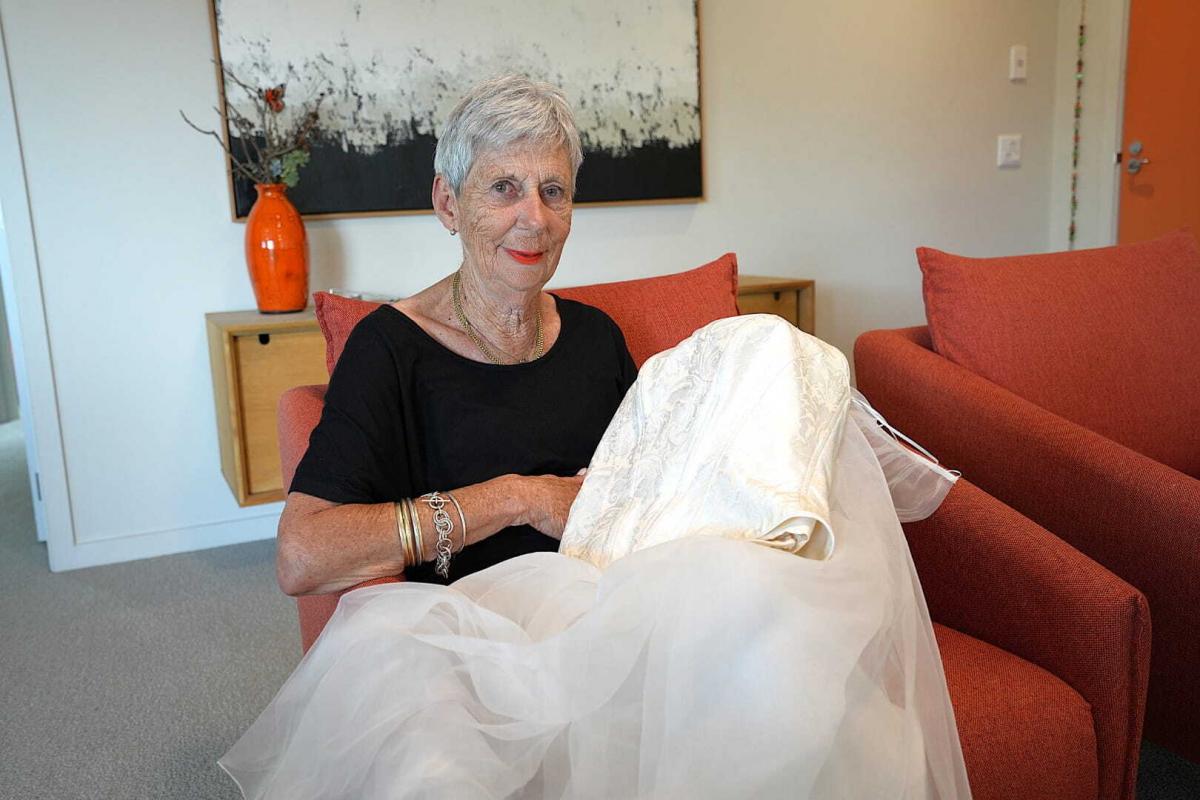
Emma’s wedding dress reveal tells a different love story
A Valentine’s-inspired wedding dress show at Ryman Healthcare’s Logan Campbell Village is providing the perfect opportunity for residents to share memories of their romantic day.
But for Emma Muller, it has also turned into an opportunity to celebrate her late daughter Nicola, who died 19 years ago at the age of 37.
 Loading…