






Breaking the Cycle of Taha Tinana (Physical Cravings) - Day 11
Breaking the Cycle of Taha Tinana (Physical Cravings)
In te ao Māori (the Māori worldview), humans are seen as beings of both taha tinana (the physical realm) and taha wairua (the spiritual realm). A balance between these aspects is essential for well-being. When we focus solely on satisfying our physical cravings—kai (food), moe (rest), hiahia (desires), and mataku (fear)—we risk losing our connection to wairuatanga (spirituality) and mauri (life force).
The Story of Tūmaro and the Sacred Rākau (Tree)
Once, a man named Tūmaro roamed the vast ngahere (forest) in search of a better life. He was tired, hungry, and filled with uncertainty about his future. As the sun blazed above him, he cried out to the atua (gods), seeking their guidance.
Hearing his plea, Tāne Mahuta, the atua of the forests, sent him a gift: a rākau manaaki (sacred tree) with the power to grant wishes. Exhausted, Tūmaro lay beneath the tree, and his first wish was for moe (rest). The tree immediately granted his desire, providing a cool shade, soft moss, and a gentle breeze that lulled him into a deep sleep.
When he awoke, his puku (stomach) growled with hunger. Without thinking, he wished for kai, and the tree responded with an abundance of delicious hākari (feast). He devoured it greedily, thanking no one for the gift.
Feeling satisfied, his mind wandered to hiahia (desire). Tūmaro wished for a companion to bring him pleasure and ease his loneliness. The tree granted this wish too, and soon he became absorbed in his desires, forgetting his original prayer to the atua.
As the day turned to night, Tūmaro became aware of the darkening ngahere and the distant calls of kēhua (spirits). Fear crept into his mind, and he thought, “What if a wild beast comes to attack me?” As soon as the thought arose, the sacred tree granted it—a kurī ngaro (ferocious beast) appeared and devoured him.
---
The Lesson of Tūmaro
The kaumātua (elders) who shared this story taught that Tūmaro’s downfall was not caused by the rākau manaaki but by his own lack of balance. By giving in entirely to taha tinana (physical cravings) without nurturing his taha wairua (spiritual self), he created a cycle that led to his destruction.
---
Values Reflected in the Story
1. Whanaungatanga (Connection): Tūmaro failed to acknowledge the atua and his connection to the world around him. Gratitude and mindfulness strengthen our relationships with others and with te taiao (the environment).
2. Wairuatanga (Spirituality): The story reminds us that taha wairua must be nurtured alongside taha tinana. Practices such as karakia (prayers) and aroha ki te Atua (love for the gods) maintain spiritual balance.
3. Manaakitanga (Respect and Care): Instead of respecting the sacred gift of the tree, Tūmaro became consumed by his personal desires, neglecting the importance of moderation and care.
4. Kaitiakitanga (Guardianship): The sacred tree symbolises the resources of Papatūānuku (Earth Mother), which must be used responsibly, with gratitude and care.
---
Moral of the Story
The story of Tūmaro teaches us that balance is the key to a fulfilling life. Pursuing the needs of taha tinana without acknowledging taha wairua leads to imbalance and harm. To thrive, we must practice gratitude, moderation, and mindfulness. As values remind us, nurturing our spiritual connection ensures harmony within ourselves, our whānau, and the wider world.
In Tūmaro’s story, the sacred rākau served not only as a gift but also as a reminder of the power of our intentions and the need to honor both physical and spiritual well-being.

Poll: 🤖 What skills do you think give a CV the ultimate edge in a robot-filled workplace?
The Reserve Bank has shared some pretty blunt advice: there’s no such thing as a “safe” job anymore 🛟😑
Robots are stepping into repetitive roles in factories, plants and warehouses. AI is taking care of the admin tasks that once filled many mid-level office jobs.
We want to know: As the world evolves, what skills do you think give a CV the ultimate edge in a robot-filled workplace?
Want to read more? The Press has you covered!

-
58.5% Human-centred experience and communication
-
13.1% Critical thinking
-
25.7% Resilience and adaptability
-
2.7% Other - I will share below!
Poll: Should complete designs be shared with the public, or should the community help shape the designs from the start?
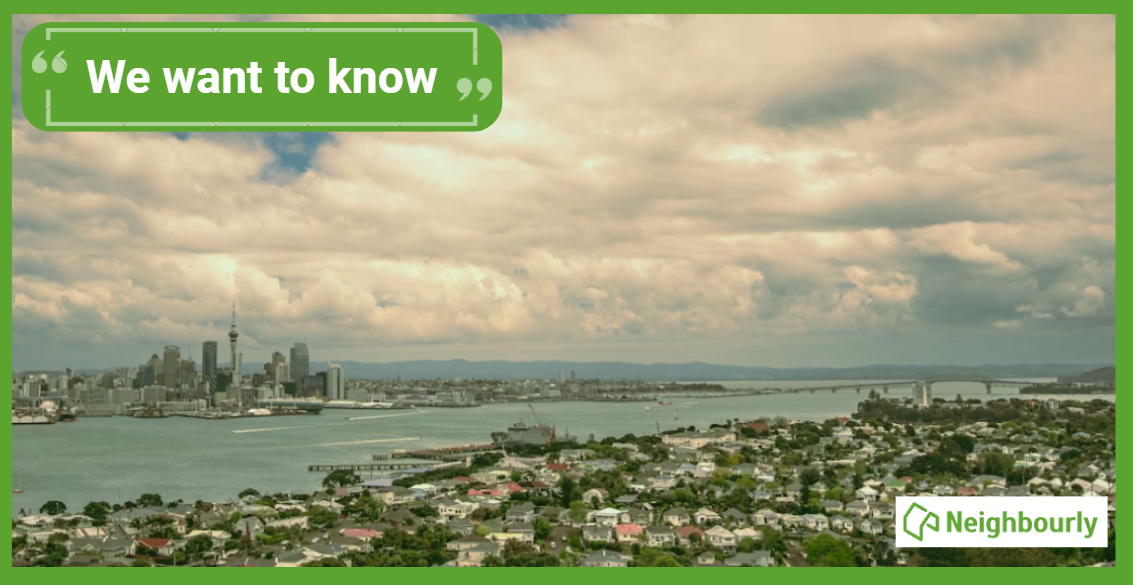
The Post recently shared an opinion piece on the Harbour Crossing and why a more democratic approach might be needed 🚗🚲👟
While most decisions sit within the political arena, many organisations—like NZTA—manage long-term projects that go beyond party lines. Politics can sometimes disrupt progress, and the next Harbour Crossing is a big decision that will affect all Aucklanders.
We’d love your thoughts: Should near-complete, shovel-ready designs be shared with the public, or should the community have a hand in shaping the designs from the start?
-
77.1% Community feedback and transparency is needed.
-
22.9% No. This would be impossible in practice.

Brain Teaser of the Day 🧠✨ Can You Solve It? 🤔💬
Make a hearty dish. Take just half a minute. Add four parts of kestrel. Then just add one. What have you made?
(Trev from Silverdale kindly provided this head-scratcher ... thanks, Trev!)
Do you think you know the answer? Simply 'Like' this post and we'll post the answer in the comments below at 2pm on the day!
Want to stop seeing these in your newsfeed? No worries! Simply head here and click once on the Following button.
 Loading…