





Ego & Arrogance Causes a Mighty Fall (Day - 2)
In a lush forest known as Greenvale, there was a powerful lion named Rudo. Rudo was the undisputed king of the forest. Tall and strong, with a magnificent golden mane, he ruled the animals with an iron paw. His roars echoed through the forest, a reminder to every creature that Rudo was the ultimate ruler. But as time went on, his pride grew, and so did his arrogance. He dismissed the smaller animals and ignored the advice of his wise old advisor, an owl named Sable, who constantly urged him to rule with kindness and respect.
Meanwhile, in Greenvale’s quiet northern corner, a clever young fox named Finnegan had been growing popular. Unlike Rudo, Finnegan was not strong or fierce, but he was cunning, resourceful, and compassionate. He helped animals in need, shared food with the hungry, and listened to everyone, big or small. The animals in Greenvale admired him and trusted him more than they did the mighty Rudo.
One day, Finnegan cautiously approached Rudo to suggest a partnership. "Rudo, the animals are growing unhappy. They fear you, but they don’t respect you. If we work together, I believe we could make Greenvale thrive."
Rudo laughed scornfully. "Why would I need help from a lowly fox like you? Go back to your burrow before I remind you who rules here."
Hurt but undeterred, Finnegan left, determined to continue serving the animals in his own way. But Sable, the wise owl, had heard everything. She knew that Rudo’s pride would be his downfall if he didn’t change.
Soon, a drought hit Greenvale. Streams dried up, and food became scarce. The animals were growing weaker and desperate. Rudo, refusing to leave his pride aside, hoarded what little water remained, drinking from a secret pool known only to him. The other animals were left to fend for themselves, growing hungrier and angrier each day.
Finnegan, however, gathered a team of animals willing to work together. He instructed the beavers to dig deep channels to find hidden water and asked the birds to scout for fruits and nuts in distant areas. Slowly, the animals began to thrive under Finnegan’s leadership, sharing resources and surviving despite the drought.
Eventually, word spread through the forest that Finnegan’s coalition was thriving while Rudo’s group grew weaker. Even some of Rudo’s loyal followers began to join Finnegan, realizing that he offered them the kindness and collaboration they needed.
Days passed, and the once-mighty Rudo was now left with only a few supporters. Alone and desperate, he was forced to wander the forest, searching for food and water just as the smaller animals once had. One day, he encountered Sable, who hooted at him knowingly. "Remember, Rudo, strength without respect is meaningless. True power comes from earning the trust of others."
Humbled, Rudo approached Finnegan, his head lowered. "I was wrong, Finnegan. I let my pride cloud my judgment. Will you help me now?"
Finnegan nodded, extending a friendly paw. "The forest belongs to all of us, Rudo. Together, we can make it strong again."
With Finnegan’s guidance and the cooperation of all the animals, Greenvale flourished once more. Rudo learned to listen to others and treated the smallest animals with respect. In time, he regained his place in the forest hierarchy—not as a feared tyrant, but as a trusted leader.
From that day on, Rudo understood that even the mightiest can fall if they let arrogance guide them. And so, Greenvale became a forest where strength and wisdom walked paw-in-paw, and every creature learned the value of respect and humility.

Poll: 🤖 What skills do you think give a CV the ultimate edge in a robot-filled workplace?
The Reserve Bank has shared some pretty blunt advice: there’s no such thing as a “safe” job anymore 🛟😑
Robots are stepping into repetitive roles in factories, plants and warehouses. AI is taking care of the admin tasks that once filled many mid-level office jobs.
We want to know: As the world evolves, what skills do you think give a CV the ultimate edge in a robot-filled workplace?
Want to read more? The Press has you covered!
-
58.5% Human-centred experience and communication
-
13.1% Critical thinking
-
25.7% Resilience and adaptability
-
2.7% Other - I will share below!
Poll: Should complete designs be shared with the public, or should the community help shape the designs from the start?
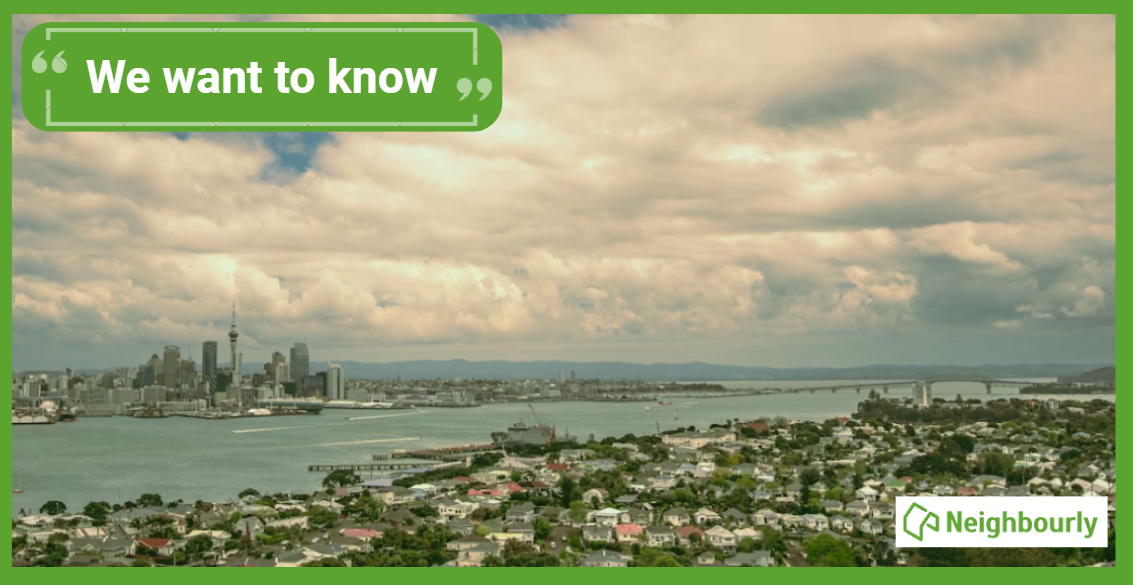
The Post recently shared an opinion piece on the Harbour Crossing and why a more democratic approach might be needed 🚗🚲👟
While most decisions sit within the political arena, many organisations—like NZTA—manage long-term projects that go beyond party lines. Politics can sometimes disrupt progress, and the next Harbour Crossing is a big decision that will affect all Aucklanders.
We’d love your thoughts: Should near-complete, shovel-ready designs be shared with the public, or should the community have a hand in shaping the designs from the start?
-
77.1% Community feedback and transparency is needed.
-
22.9% No. This would be impossible in practice.

Brain Teaser of the Day 🧠✨ Can You Solve It? 🤔💬
Make a hearty dish. Take just half a minute. Add four parts of kestrel. Then just add one. What have you made?
(Trev from Silverdale kindly provided this head-scratcher ... thanks, Trev!)
Do you think you know the answer? Simply 'Like' this post and we'll post the answer in the comments below at 2pm on the day!
Want to stop seeing these in your newsfeed? No worries! Simply head here and click once on the Following button.
 Loading…