







GP fees explained: How your doctor sets their prices
General practitioners (GPs) can set their own patient fees in New Zealand — and they must weigh up several factors when it comes to the cost of their services.
While children under 14 are eligible for free health checks, and cheaper GP visits are available to certain groups through a High Use Health Card or a Community Services Card, everyone else is generally forking out a co-payment to visit their doctor.
So, how do GPs and medical centres decide on those fees? And why do they differ depending on where you are in New Zealand?
First, the government funding
========================
GPs get lower than expected funding boost from Health NZ
There are warnings it could mean some practices shut down, Cushla Norman reports.
GPs receive government funding through a system known as capitation.
Under capitation, GPs get a set amount of money for each enrolled patient they have, each year. They are not paid per visit.
The Government pays this money to Primary Health Organisations (PHOs) who then pay the money down to general practices within that PHO.
Not all patients are funded for the same amount under this system. The funding varies depending on things like a patient's age and gender, said Dr Angus Chambers, a GP and chairman of the General Practice Owners Association of Aotearoa New Zealand (GenPro).
"A very young person will go to the doctor a lot more for a whole lot of reasons and a very old person will too — but a 25-year-old is much less likely to, so there's a lesser [capitation] fee for [them]," he said.
However, this funding system is based around data from more than 20 years ago, Chambers said.
"It's very dated data ... and it's not nearly sophisticated enough," he said. "I get the same payment for a 65-year-old [patient] as I do for a 95-year-old, and a 95-year-old's health needs are exponentially higher than a 65-year-old's," he said.
"[The system] doesn't take into account the age and complexity of people and inequities, so it's generally accepted to be not really that fit for purpose; it's accepted it needs to be changed."
It also doesn't consider that health needs and health care have changed a lot over the past 20 years, Chambers said.
"There's new treatments, new tests, different ways of managing things, a surge in mental health demand — the list goes on."
Deciding on fee increases
=====================
This year's average allowable fee increase is 7.76%.
General practices need to work out how much they need to charge each year to cover costs and keep their business viable.
Underpinning those decisions is a fees review process known as the annual statement of reasonable GP fee increases (ASRFI).
This is a guideline issued by the Ministry of Health. It recommends a maximum percentage GPs can increase their fees by each year, based on predicted cost pressures, such as inflation, labour and other operational expenses.
This year's average allowable fee increase is 7.76%.
GPs can choose to increase their fees by more than the ASRFI, Chambers said, but they are in for a lengthy, expensive process if they do.
"If a practice breaches that ASRFI number, Te Whatu Ora can refer them to the Fees Review Committee," he said.
"[GPs] have to submit data to [the committee]. If they've exceeded [the ASRFI] and the committee thinks it's reasonable, they can go ahead. But if the committee doesn't think it's reasonable, then they can make a recommendation that you reduce your fees.
"There's quite a bit of risk and expense if you exceed the cap [on fee increases]."
Fee variations around the country
===========================
There can be significant variation in how much people pay to see a GP in New Zealand.
The amount people pay to see a GP can vary quite a bit, depending on what part of the country they live in.
Some of this comes down to the actual cost of doing business — leases can be quite a lot higher in Auckland than in small towns, for example — but some of the difference is historic, Chambers said.
He said regions with more socioeconomic deprivation have traditionally charged less because GPs would likely otherwise end up with bad debt and disgruntled patients.
Then, the fees review process and its cap on fee increases locks practices into low fees.
For example, if a GP charged $100 for a patient and was allowed a 5% fees increase, their fee would increase by $5 to $105. A GP in another area charging a $50 co-payment, on the other hand, would only be able to increase their fee by $2.50.
"The gap grows wider and wider because of this policy setting, so practices that have started off [with low fees] get entrenched in this historical discrepancy," Chambers said.
It's leading to what Chambers calls market failure.
"There's not enough GPs, so you're competing more and more [to hire people], and doctors are probably going to higher-paying jobs."
This means some regions, especially rural areas, are at further risk of losing access to general health services.
"We have this workforce shortage, which is partly related to poor policy in terms of training people, but also underfunding, which is making it far more attractive to go into other specialties than general practice."
The knock-on effect
================
Increasing GP fees can mean people put off medical care.
Higher co-payments can mean people put off going to a GP, Chambers said.
"That means they might present later and sicker ... or they can't afford it, so they end up going to the emergency departments and clog [them]."
Chambers said GPs know access to primary care is worse than it's ever been and don't like having to increase fees to cover costs.
But GenPro said last month Te Whatu Ora was failing to cover the increased costs of providing community health care, which ultimately means the cost burden shifts to patients.
PHOs represented by General Practice New Zealand, Te Kāhui Hauora Māori PHOs, and the Hauora Taiwhenua Rural Health Network have all similarly slammed the Government's funding offer for GP services this year.
"[GPs] don't want to increase fees like this because they're part of the community too and their patients are often well known to them — and they feel this is a result of very poor policy for quite a long time from both sides of the political divide," Chambers said.
"We're wearing the stick for failure of the government as a whole.
"[Governments] have had a lot of advice from people telling them that this situation will come around and they've, frankly, ignored it."
Te Whatu Ora told 1News it acknowledges the cost pressures GPs are facing and the growing demand on their services.
"Health NZ-provided services are facing similar pressures in a fiscally constrained environment," Health New Zealand Te Whatu Ora's living well director Martin Hefford said.
"Through our annual capitation uplift offer, we have worked hard to target available funding where it is most needed to support primary health care and general practice."
==========================================
www.1news.co.nz...
=========================================

Poll: 🤖 What skills do you think give a CV the ultimate edge in a robot-filled workplace?
The Reserve Bank has shared some pretty blunt advice: there’s no such thing as a “safe” job anymore 🛟😑
Robots are stepping into repetitive roles in factories, plants and warehouses. AI is taking care of the admin tasks that once filled many mid-level office jobs.
We want to know: As the world evolves, what skills do you think give a CV the ultimate edge in a robot-filled workplace?
Want to read more? The Press has you covered!

-
52.6% Human-centred experience and communication
-
14.3% Critical thinking
-
30.3% Resilience and adaptability
-
2.8% Other - I will share below!

Assistant Manager - Restaurant
Date posted: February 20, 2026
Pay: NZ$25.00 - NZ$30.00 per hour
Job description:
Date posted: February 20, 2026
Pay: $25.00 per hour
Job description:
We are seeking an experienced and motivated Assistant Restaurant Managers to help lead operations at our popular Indian restaurant located in the vibrant heart of Milford, Auckland. These full-time, permanent position is ideal for hospitality professionals who thrive in fast-paced environments and take pride in delivering outstanding dining experiences.
About the Role
As an Assistant Restaurant Manager, you will play a pivotal role in supporting the Restaurant Manager in the smooth day-to-day running of the business. You’ll assist in maintaining high standards of food quality, customer service, and operational efficiency while mentoring a diverse and energetic team. You will also contribute to building a welcoming atmosphere that reflects the warmth and authenticity of Indian hospitality.
Key Responsibilities
Support the Restaurant Manager and business owner in planning, coordinating, and monitoring daily restaurant operations to ensure consistent quality and efficiency.
Collaborate with Chefs to plan seasonal and promotional menus, ensuring dishes remain true to traditional Indian flavours while appealing to a broad customer base.
Supervise and actively participate in front-of-house operations, including guest greetings, reservations, service flow, and complaint resolution.
Oversee stock management, cost control, and supplier relationships, ensure accurate ordering, inventory tracking, and waste minimisation within budgetary parameters.
Organise and coordinate special events, functions, and catering services in collaboration with the Restaurant Manager.
Maintain compliance with health, safety, and hygiene standards in accordance with New Zealand food regulations.
Recruit, train, roster, and coach staff members to foster a motivated and customer-focused team culture.
Review customer feedback and identify opportunities for service improvement.
Assist with administrative duties such as cash handling, daily reconciliation, and performance reporting.
Monitor Delivery App side of business, co-ordinate with the service providers to increase the sale.
Skills and Requirements
Minimum 4 year of relevant management or supervisory experience in a busy hospitality environment, or a relevant qualification in Hospitality Management or a related field.
Availability to work 30 – 35 hours per week on a 7-day roster, including evenings, weekends, and public holidays as required.
Strong leadership, communication, and interpersonal skills, with the ability to motivate and guide staff in a team-oriented environment.
Excellent organisational and problem-solving abilities, capable of staying calm under pressure.
Solid understanding of food cost management, stock control, and basic financial reporting.
Genuine passion for Indian cuisine and hospitality, with an eye for detail and customer satisfaction.
A proactive, hands-on attitude and willingness to assist in all areas of service when required.
What We Offer
Competitive pay based on experience and performance.
A friendly, multicultural work environment with opportunities for career development and advancement.
The chance to contribute to restaurant's improvement with loyal customer followings and strong community ties.
Eligibility:
Applicants must be New Zealand Citizens, Permanent Residents, or credentials to seek work visa in New Zealand.
Job Types: Full-time, Permanent
Benefits:
Free food
Professional development assistance
Work Location: In person
The latest product recalls
We are bringing you the latest list of recalled products from across the country. Make sure you aren't using these at home!
Click on the blue text to learn more about that particular product and why it was recalled.
Food and household item recalls:
⚠️Cereulide toxin risk in Nestlé brand Alfamino Infant Formula (0-12 months) recalled due to the possible presence of the toxin cereulide
Nestlé Milo Dipped Snack Bars
BC Hot Water Bottles sold at Bargain Chemist
Product Recalls: Infant care and clothing
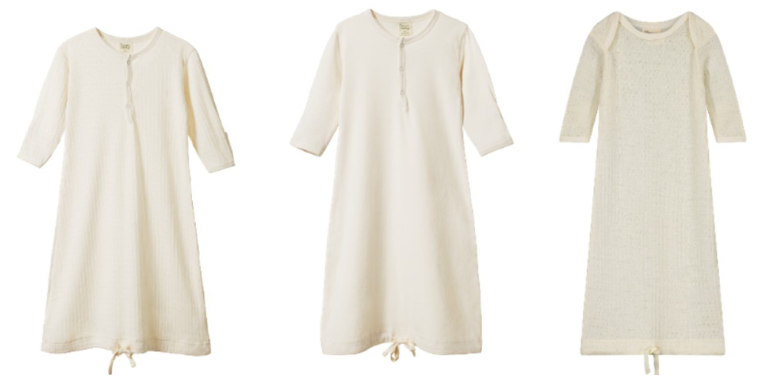
Nature Baby Sleeping Gown
Product Recalls: Toys
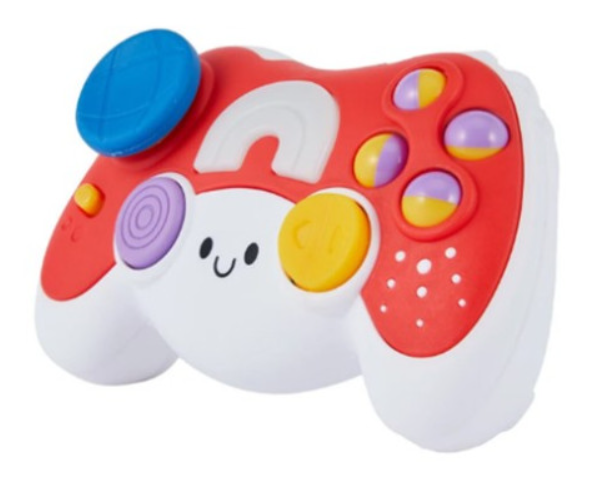
Sensory Game Controller - sold at Kmart
Product Recalls: Cosmetics
Outside Beauty & Skincare SPF 50+ Mineral Primer (2 batches)
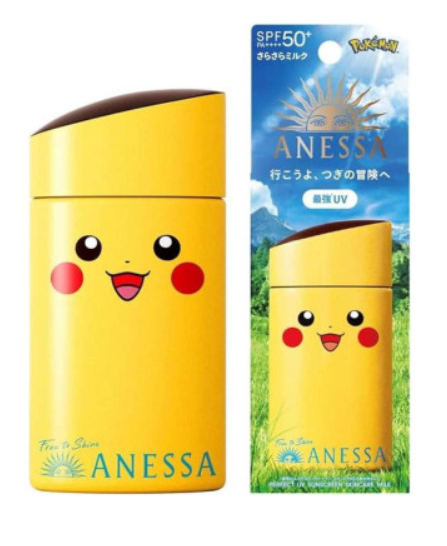
Anessa and Shiseido Anessa sunscreens sold only at Daikoku
Biore and Kao Biore sunscreens sold only at Daikoku
Kose Sunscreens sold only at Daikoku
Mentholatum sunscreens sold only at Daikoku
Pigeon sunscreens sold only at Daikoku
Rohto sunscreens sold only at Daikoku
Product Recalls: Electronics
Harvest Right Freeze Dryer HRFDSBKP-PP sold at Costco
Product Recalls: Other
Michelin X Multi Z and X Line Energy Z, size: 355/50R22.5, load/speed index:156K
UPDATED GASGAS Motorcycles: GASGAS Cross Country and Motocross model motorcycles with BRAKTEC brake system. New VINS added
Check the New Zealand Transport Agency's handy vehicle recall list here.
See past months' recalls. Stay safe, neighbours!




 Loading…