







Time to act before the Spring rush
Just a reminder that Spring is underway as far as the plants are concerned, and weed vines and shrubs are putting out new shoots, sneaking around garden shrubs, drinking up the lovely water and increasing sun, and finding new ground to conquer.
Big weed invasions yield the most material for paths, mulch and compost, and the first big weeding produces a massive amount of plant material to be either sent to landfill or used to benefit the soil and plants by decomposition onsite.
Once the ground dries, sun comes out, and rain is infrequent, decomposition by rotting slows down or stops altogether.
We don't encourage storing big piles of dry woody or papery material during the fire season, so if you have a lot of woody weeds to be dealt to....that is, vines, shrubs or trees...work needs to start very soon if you want the plant material composted onsite and returned to your soil to help the remaining plants grow well and remain weed free.
After we have done weed control and mulched where needed, the Spring rush of weeds doesn't occur for most species, and not at all if we have had time to eradicate the weed before the warm weather.
Instead, the wanted plants grow luxuriously in the moisture and sunlight of Spring, filling the space and reducing weed reinvasion.
Since we only started our business last Christmas, we don't yet have photos of our clients' gardens in Spring after our weed control.
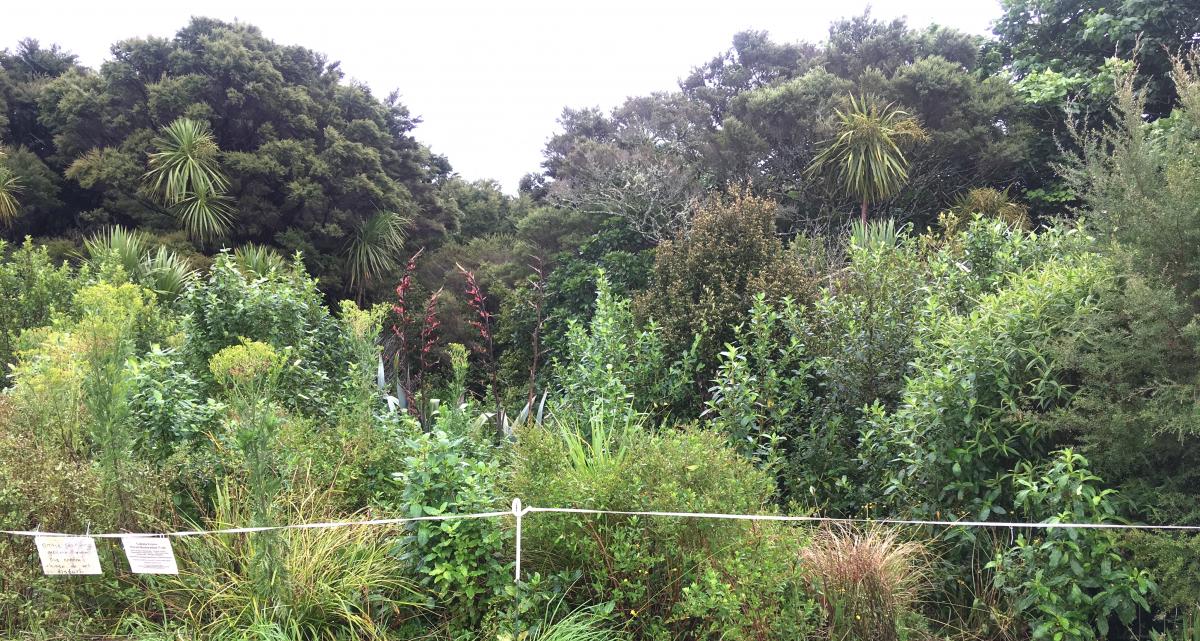
Below is a photo of an area of public Reserve in January this year, hand weeded of major environmental weeds, then gradually of benign leafy weeds. This area is part of a forest margin, in which dense vegetation is key to keeping the area weed-free, so native regeneration has been allowed to fill the space entirely.

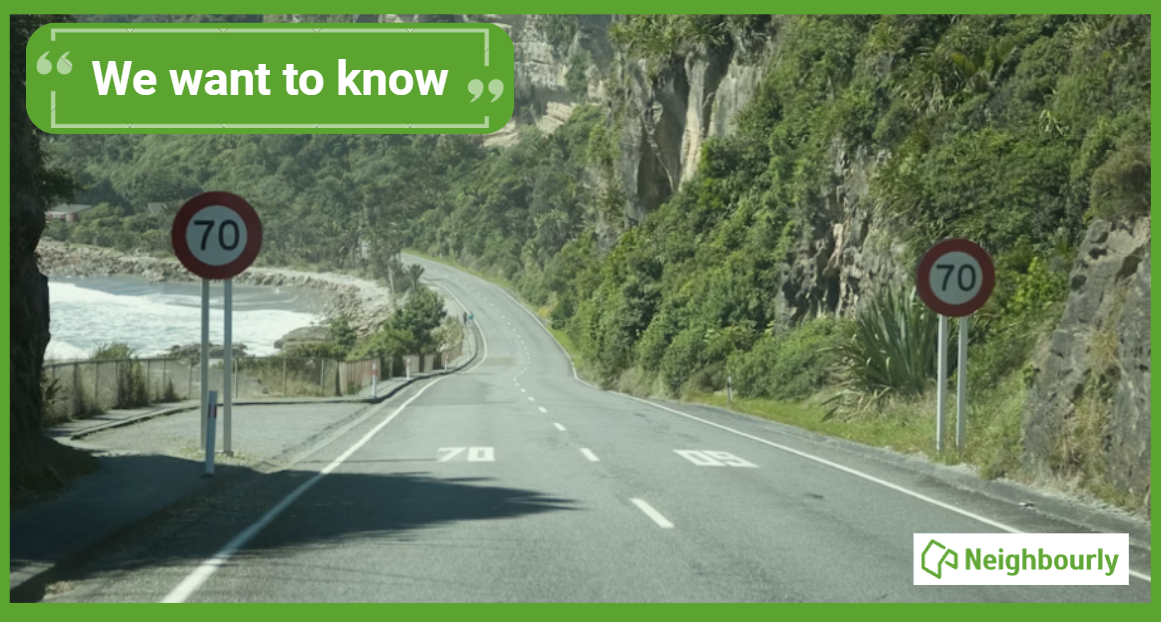
Poll: If we want to reduce speeding, what do you think actually changes driver behaviour? 🛻🚨🚓
In the Post's article on speeding penalties, the question is asked whether speeding fines are truly about road safety, or are they just a way to boost revenue for the Crown?
What do you think? Should speeding motorists receive speeding fines or demerit points?
-
37% The sting of a fine (Money talks!)
-
63% The threat of demerit points (Nobody wants to lose their license!)

Some Choice News!
DOC is rolling out a new tool to help figure out what to tackle first when it comes to protecting our threatened species and the things putting them at risk.
Why does this matter? As Nikki Macdonald from The Post points out, we’re a country with around 4,400 threatened species. With limited time and funding, conservation has always meant making tough calls about what gets attention first.
For the first time, DOC has put real numbers around what it would take to do everything needed to properly safeguard our unique natural environment. The new BioInvest tool shows the scale of the challenge: 310,177 actions across 28,007 sites.
Now that we can see the full picture, it brings the big question into focus: how much do we, as Kiwis, truly value protecting nature — and what are we prepared to invest to make it happen?
We hope this brings a smile!


Primary School Tutoring – North Shore
Hi neighbours,
I’m a local primary school teacher with experience teaching Years 3–6, and I’m offering a small number of after-school tutoring sessions for primary-aged students.
I can support children with:
• Reading and comprehension
• Writing skills
• Maths confidence
• Catch-up support or extension for capable learners
My focus is on helping students build confidence as well as skills, using practical strategies that work in the classroom.
📍 I’m based on the North Shore, close to Willow Park Primary School.
⏰ Current availability: Thursdays at 4pm, with a few fortnightly session options also available.
$60 for 45 minute sessions.
If you’d like to chat about whether tutoring could help your child, feel free to send me a message.
Kelly
 Loading…