






After Armistice: dealing with the effects of war
As we commemorate the 101st Armistice Day, it's timely that we reflect on the aftermath of the First World War; not only the massive scale of loss, but also the ongoing suffering experienced by those who returned from the first industrialised war.
Arriving in back in Wellington, Colonel Evans pointedly reminded the soldiers of those left behind: “Remember,” he said, “When you go ashore you are not heroes. The heroes lie in France”. Having lost their comrades in the thousands, the soldiers hardly needed to be reminded of their 'luck' in making it through. Yet for those who survived, the physical and mental toll of the war was immense and for many unspeakable. Each service person confronted the psychological and emotional impact of a war unprecedented in its violence in their own personal way.
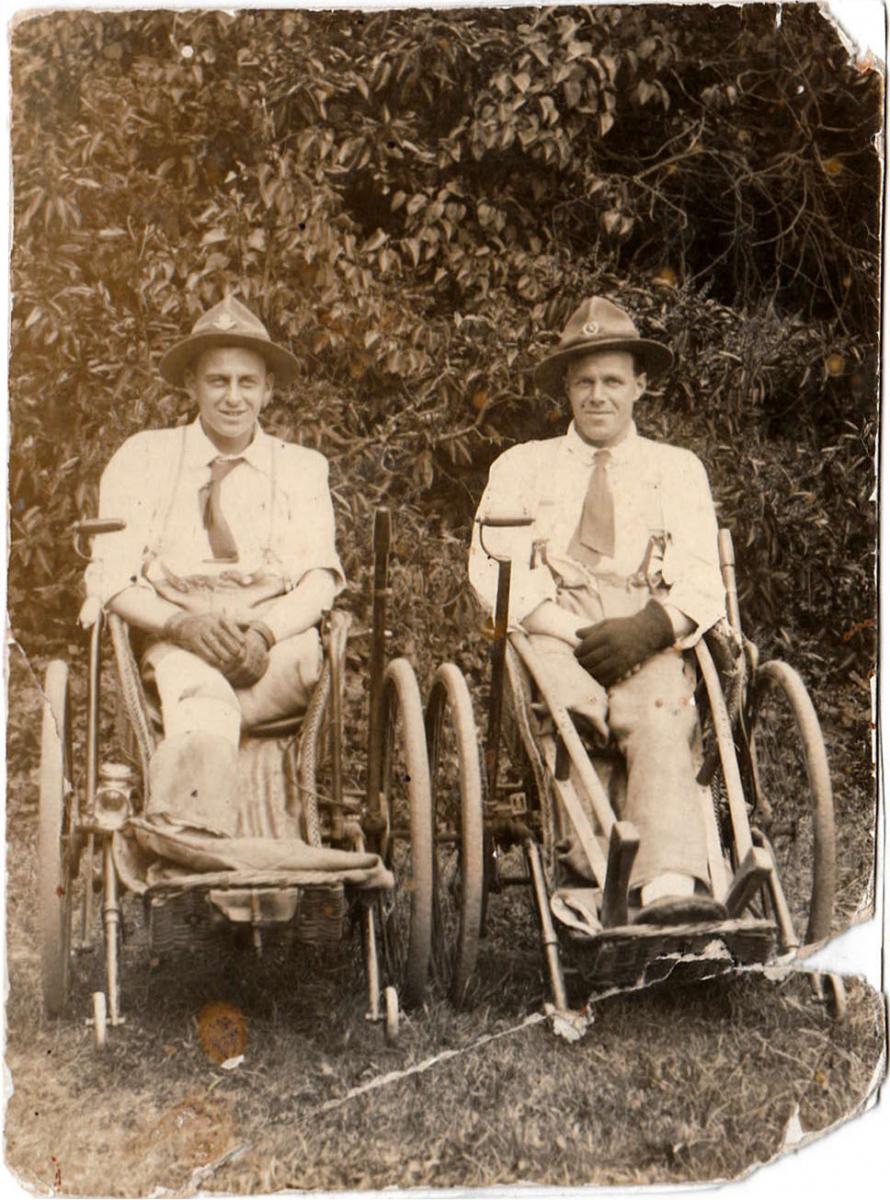
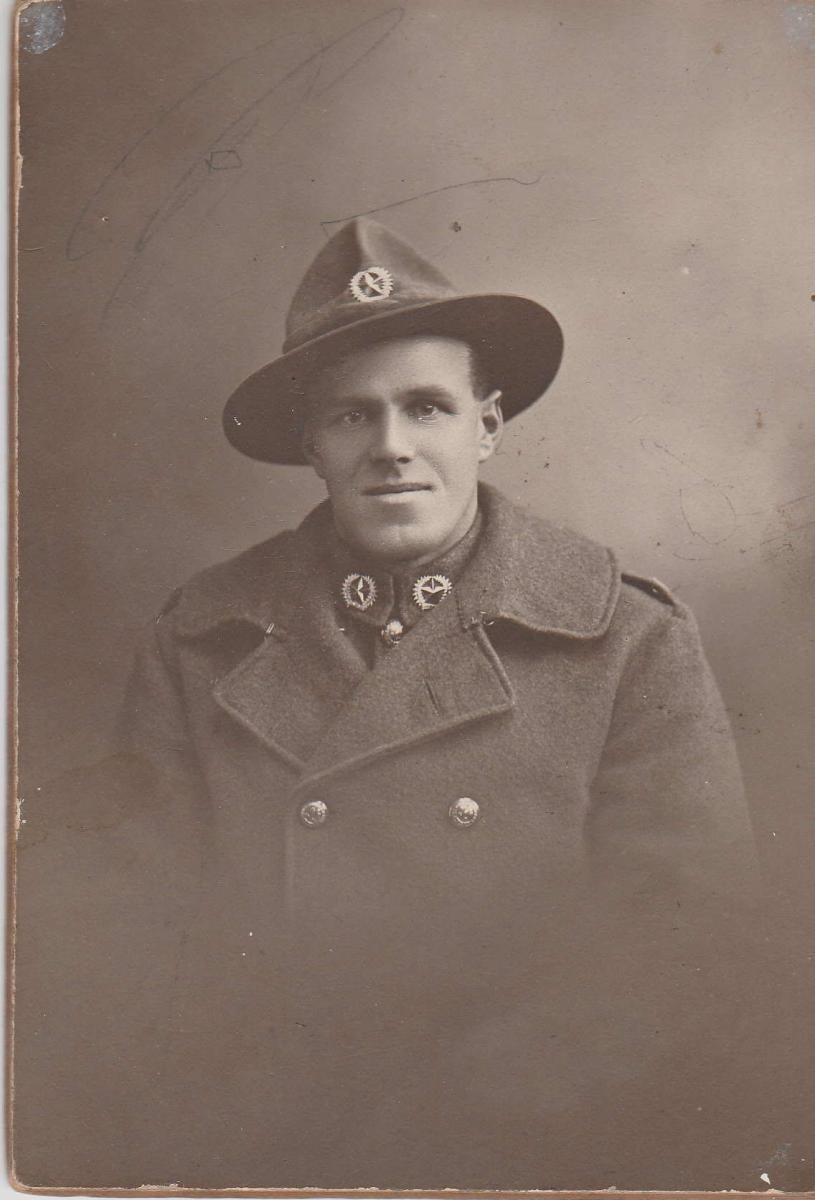
One soldier who suffered through his war service was Private Ivor Norman (Norm) Fleet 31249. A bushman who enlisted in Taumarunui, Fleet fought with the Wellington Infantry Regiment and received gunshot wounds to both legs during a clean-up operation at Bellevue Spur on 22 October 1917. His right leg was later amputated and he eventually returned to New Zealand where simply carried on with his life, marrying Elsie Petley in 1928, building his own house and forging a long and productive career. Norm rarely spoke of the war and relatives only recall seeing him in tears as his nephews left for the Second World War; a small clue to the pain that returned servicemen held inside. Like Norm, millions suffered silently in the aftermath. Today we honour their service and acknowledge the immeasurable suffering that came from it.
Lest we forget.
Find out more about Armistice Day and the Museum's collections here. www.aucklandmuseum.com...

Poll: Should complete designs be shared with the public, or should the community help shape the designs from the start?
The Post recently shared an opinion piece on the Harbour Crossing and why a more democratic approach might be needed 🚗🚲👟
While most decisions sit within the political arena, many organisations—like NZTA—manage long-term projects that go beyond party lines. Politics can sometimes disrupt progress, and the next Harbour Crossing is a big decision that will affect all Aucklanders.
We’d love your thoughts: Should near-complete, shovel-ready designs be shared with the public, or should the community have a hand in shaping the designs from the start?

-
0% Community feedback and transparency is needed.
-
0% No. This would be impossible in practice.
Poll: Should the government levy industries that contribute to financial hardship?
As reported in the Post, there’s a $30 million funding gap in financial mentoring. This has led to services closing and mentors stepping in unpaid just to keep helping people in need 🪙💰🪙
One proposed solution? Small levies on industries that profit from financial hardship — like banks, casinos, and similar companies.
So we want to hear what you think:
Should the government ask these industries to contribute?

-
59.6% Yes, supporting people is important!
-
25.9% No, individuals should take responsibility
-
14.5% ... It is complicated
Varicose Veins Slowing You Down?
New Zealands first dedicated Varicose Vein Clinic Specialising in Non-Surgical, walk in, walk out treatments No GP Referral Needed!
Don’t let painful, swollen, or unsightly veins affect your daily life. Whether you're dealing with throbbing aches, night cramps, swelling, or visible varicose veins, our expert team is here to help.
At The Vein Centre, we specialise exclusively in vein treatments, no distractions, no GP referral required, just fast, effective care tailored to you. Regain comfort and confidence in your legs with the latest minimally invasive treatments.
212 Wairau Road, Glenfield
09 444 5858
info@theveincentre.co.nz

 Loading…