






Auckland trampers help revive endangered kōkako population
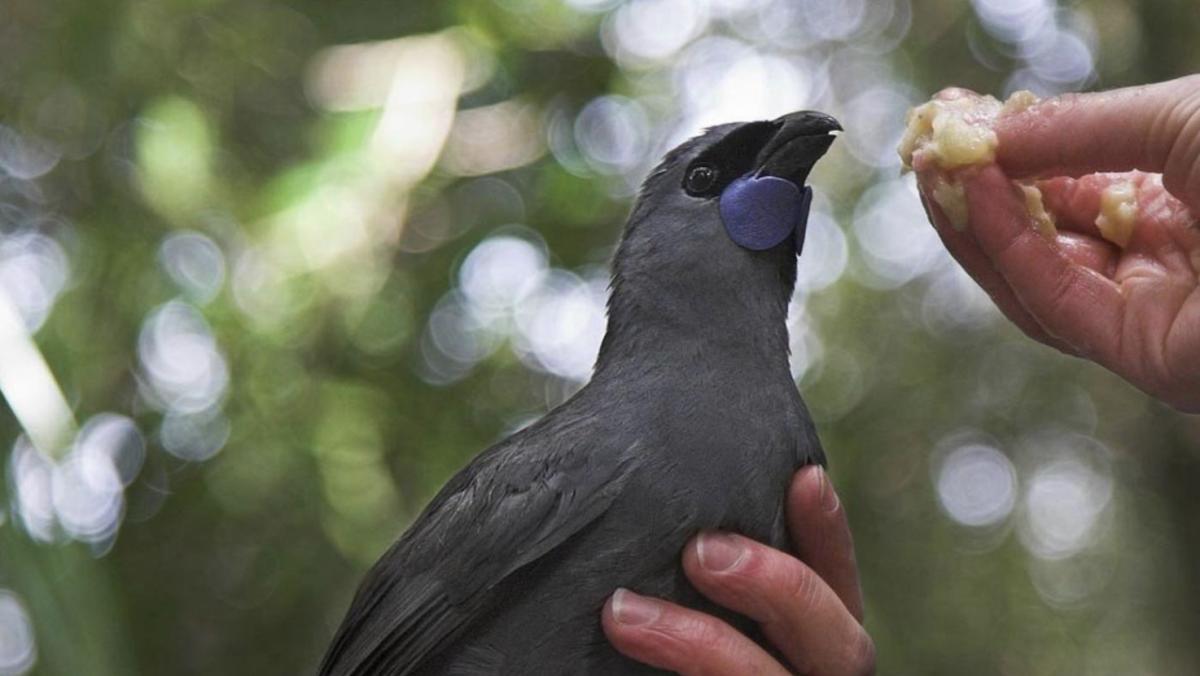
Trampers in Auckland have helped to revive dwindling kōkako numbers in a North Island forest, a study reveals.
A four-year survey of the kōkako bird found Pureora Forest Park is the first site nationally to have recovered to more than 1,000 individual birds, while in 1995 there were just seven pairs of kōkako in the area.
Volunteers from the Auckland Tramping Club (ATC) and Howick Tramping Club (HTC) have contributed to pest control operations in the Pureora Forest to protect the kōkako over the past 20 years.
Department of Conservation community ranger Kina Campbell said the two tramping clubs’ continued efforts demonstrate the importance of community contributions to conservation.
“To see the steady growth in the kōkako population is a great reflection in the value of the work being put in by members of these two tramping clubs,” he said.
Trampers carpool to Pureora during kōkako breeding season in spring and early summer, to reduce predators through setting and baiting traps and maintaining bait stations.
HTC spokeswoman Colleen Grayling said between 20 and 25 volunteers regularly give their time and effort, visiting the area up to six times per year.
“The reasons we volunteer are using our outdoor skills and gear for a worthwhile cause, enjoying the bush and birdlife, a chance to hear and see kōkako and the camaraderie of being with like-minded people,” she said.
“Hearing the calls of the increasing kōkako population and seeing the positive survey results drives the involvement. We have definitely had our challenges, but overall, our loyal volunteers’ hard work has paid dividends.”
HTC’s involvement with the kōkako efforts in Mangatutu goes back to 1997, and since 2003 the club has helped with applying for funding, purchasing supplies and administrative tasks to support the Department of Conservation (DOC). ATC has been working in the Tunawaea catchment since 2011.
As a result of the central North Island pest control work, the official status of the kōkako has moved from ‘Threatened’ to ‘At Risk – Recovering’.

Got more greens than you know what to do with? 🥦🌱🥕
Whether it’s a courgette takeover or a feijoa frenzy, don’t let those garden gems go to waste!
Our suggestion to you: Did you know you can grate and freeze excess courgettes to use in chocolate cake later? It sounds a bit dodgy, but it makes the cake incredibly moist ... and hey, it counts as a serving of veg, right? 🍫
What’s your go-to move for a bumper harvest? Drop your best "glut" recipes or preservation hacks in the comments below! 👇


🌉🛶 Early Birds Might Crack This One First… or Not? 🥚🧠
A person is crossing a bridge and sees a boat full of people, yet there isn't a single person on board.
How is this possible?
(Susan from Massey kindly provided this head-scratcher ... thanks, Susan!)
Do you think you know the answer? Simply 'Like' this post if you know the answer and the big reveal will be posted in the comments at 2pm on the day!
Want to stop seeing these in your newsfeed?
Head here and hover on the Following button on the top right of the page (and it will show Unfollow) and then click it. If it is giving you the option to Follow, then you've successfully unfollowed the Riddles page.
🪱🐦 When are you the most productive? 🌙🦉
The Post has been diving into our daily habits, and research suggests being an early bird or a night owl isn’t just a choice—it’s biology! We all have that specific time when our brains finally "click" into gear.
This raises a big question for the modern workplace. To get the best out of everyone, should employers accommodate our natural body clocks? This idea is at the heart of the four-day work week and flexible scheduling movements.
We want to hear from you:
1. When does your brain "click" into gear?
2. Would a flexible (or shortened) schedule change the way you work?

 Loading…