





Weeding for winter light
While shade is vital to the health of shade-loving plants and habitat, and can be life-saving in summer, there is no need to suffer the loss of light where unwanted weed masses have shut out the sun.
This is often the case with fast-growing trees like monkey apple, privet, tree privet and wattle, and vine weeds such as honeysuckle, pink jasmine, ivy and moth plant.
Where these weeds are among wanted trees and shrubs, the careful identification and removal of the weeds can open the area to gentle sunlight filtered through a leafy canopy, which will benefit from the winter light, growing into the new gaps so that no shade has been lost by the time summer comes.
Where there is no wanted tall vegetation, removal of tall weeds will open the space to sun, so that a new, manageable ground cover or shrubbery can be established.
Call Jenny on 021 485 994, or email jenny@northshorewilds.co.nz, for
- assessment of your situation, with identification of weeds and also of any native plants, including native vines such as kaihua (NZ native "jasmine"), puawhananga (NZ native Clematis), kohia (NZ native passionfruit vine), karaeo (supplejack), tataramoa (Bush lawyer) - as these can be attractive, easily controllable additions to your natural areas, as well as food sources for kereru and tui.
- advice or action on releasing your site from weeds and, if wanted, turning them into compost and mulch during winter, to keep soil moist in summer and help suppress future weed invasions.
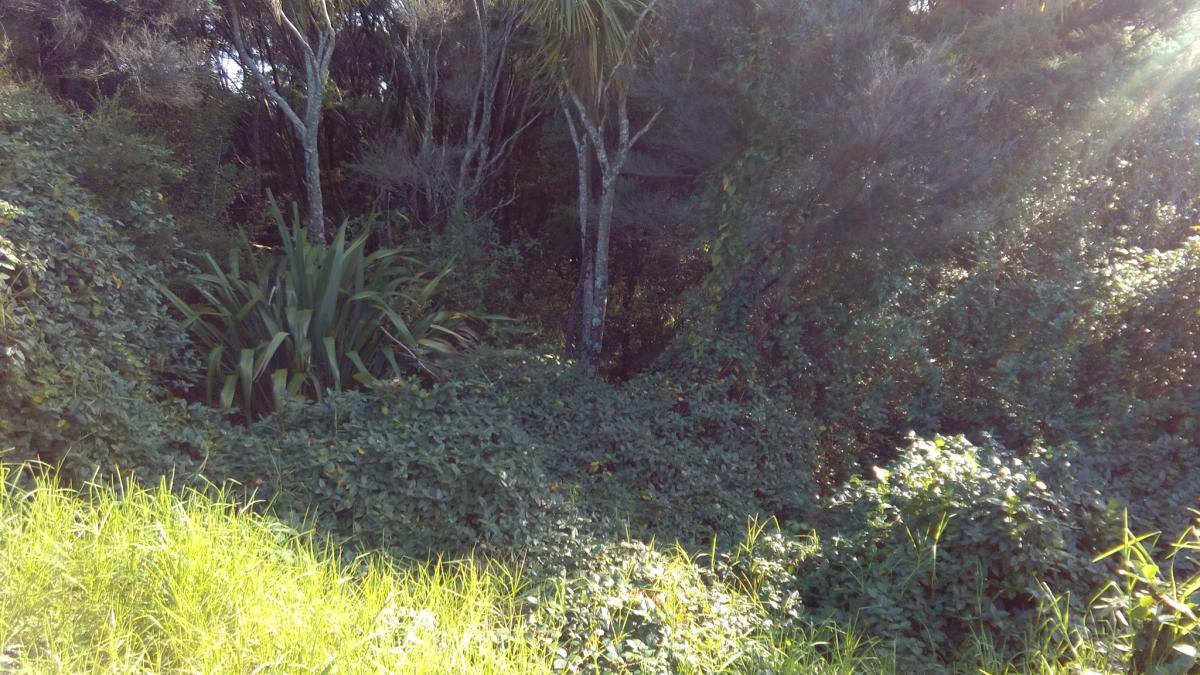
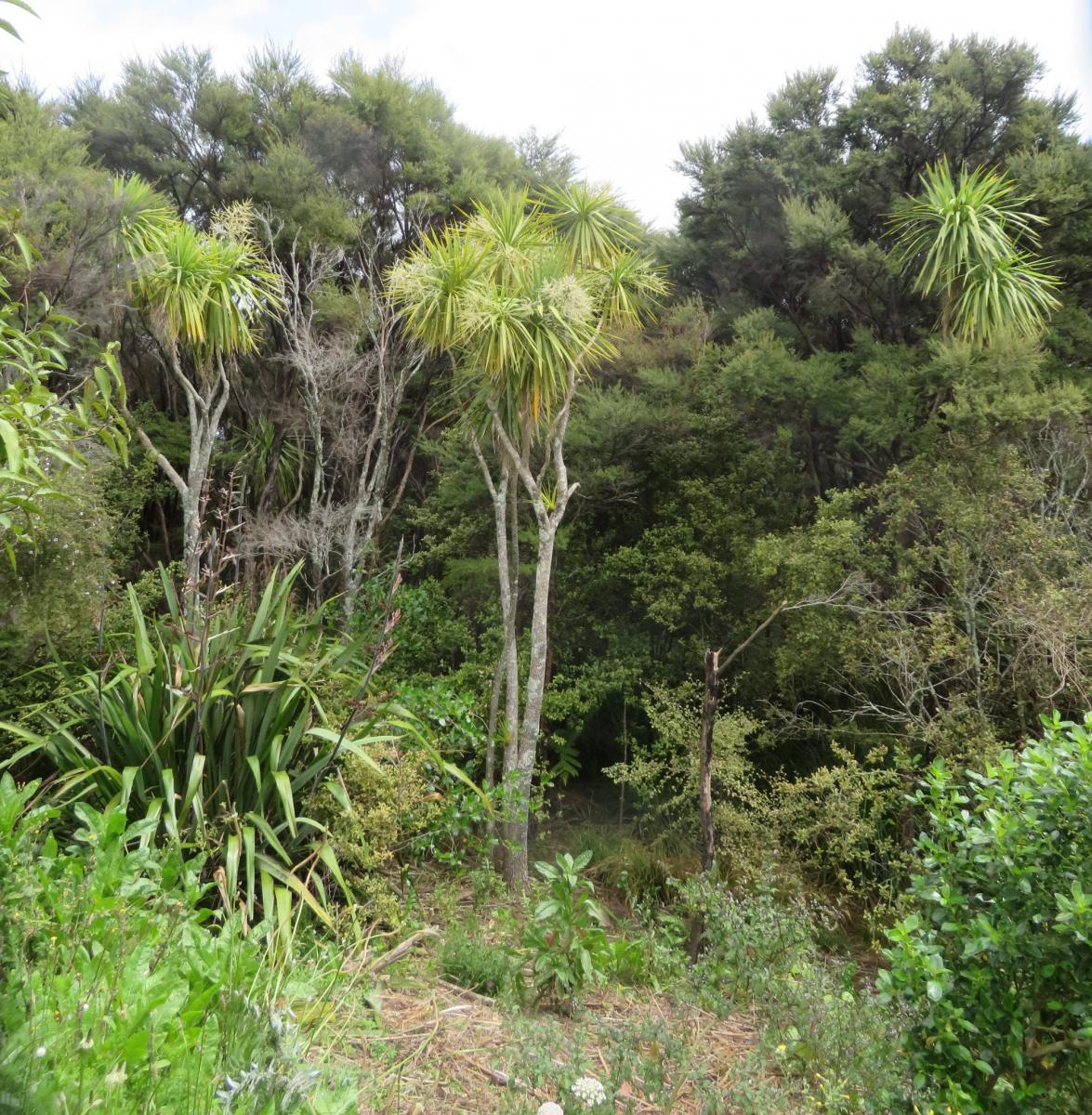
The photos below show the same location before and about 4 months after, weeding of honeysuckle from the trees and ground.
For more about North Shore Wilds, see our Neighbourly Profile www.neighbourly.co.nz..., or website northshorewilds.co.nz...

Some Choice News!
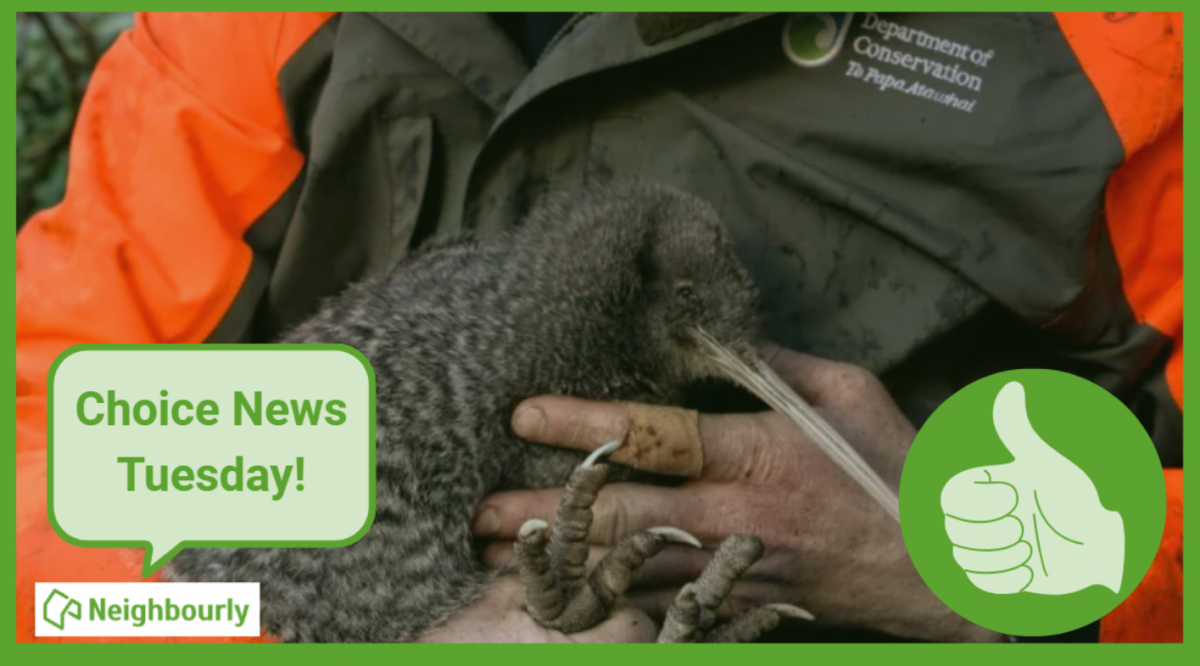
DOC is rolling out a new tool to help figure out what to tackle first when it comes to protecting our threatened species and the things putting them at risk.
Why does this matter? As Nikki Macdonald from The Post points out, we’re a country with around 4,400 threatened species. With limited time and funding, conservation has always meant making tough calls about what gets attention first.
For the first time, DOC has put real numbers around what it would take to do everything needed to properly safeguard our unique natural environment. The new BioInvest tool shows the scale of the challenge: 310,177 actions across 28,007 sites.
Now that we can see the full picture, it brings the big question into focus: how much do we, as Kiwis, truly value protecting nature — and what are we prepared to invest to make it happen?
We hope this brings a smile!

Have you got New Zealand's best shed? Show us and win!
Once again, Resene and NZ Gardener are on the hunt for New Zealand’s best shed! Send in the photos and the stories behind your man caves, she sheds, clever upcycled spaces, potty potting sheds and colourful chicken coops. The Resene Shed of the Year 2026 winner receives $1000 Resene ColorShop voucher, a $908 large Vegepod Starter Pack and a one-year subscription to NZ Gardener. To enter, tell us in writing (no more than 500 words) why your garden shed is New Zealand’s best, and send up to five high-quality photos by email to mailbox@nzgardener.co.nz. Entries close February 23, 2026.

Share your favourite main crop potato recipe and win a copy of our mag!
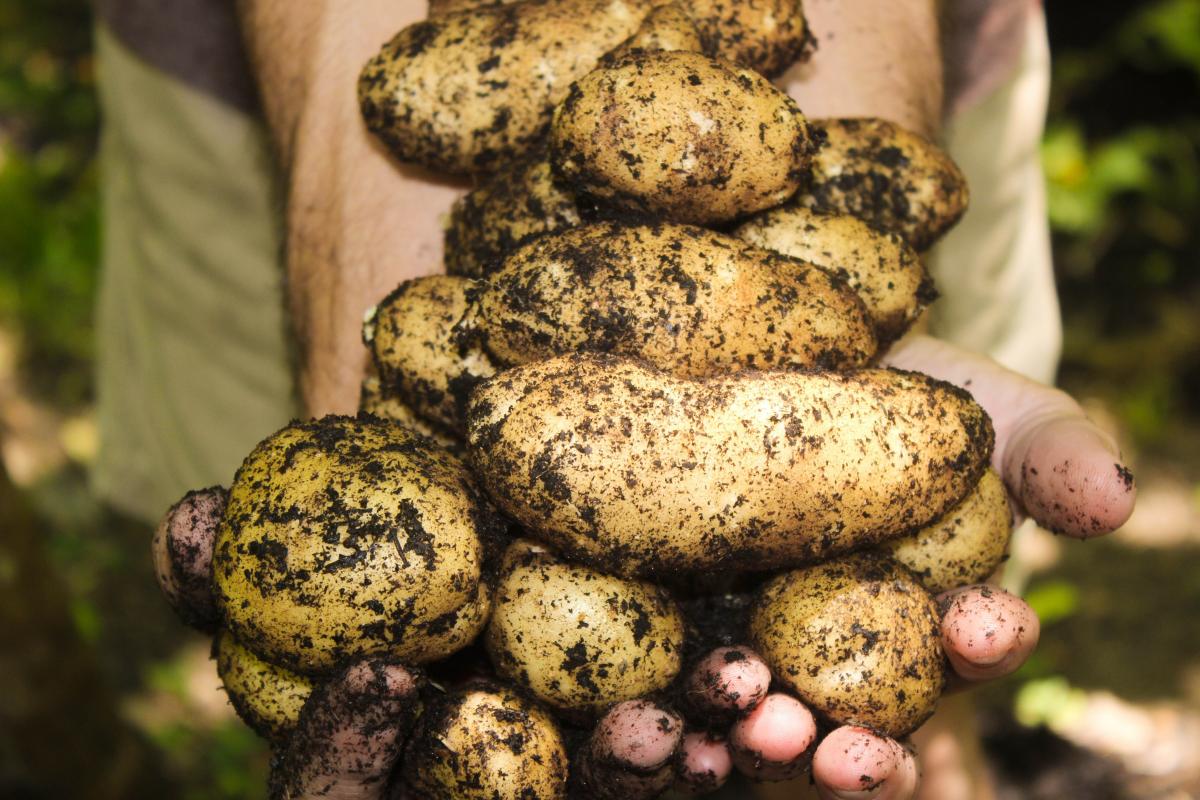
Love potatoes? We will give away free copies of the May 2026 issue to readers whose potato recipes are used in our magazine. To be in the running, make sure you email your family's favourite way to enjoy potatoes: mailbox@nzgardener.co.nz, by March 1, 2026.
 Loading…