





North Shore Wilds website launched
Hi Neighbours,
The North Shore Wilds website has just been launched at northshorewilds.co.nz. The link is in the "Read more" button below.
There is a lot more information still to be added to the North Shore Wilds site. We will now be able to describe our services fully, with some illustrated examples of our work.
The spelling ... north shore wilds ... is easy, but remember, if you have to type it into a search, it's "wilds"...plural... and why, you ask?
Well, we are not proposing that the entire North Shore should be wild... (living in trees can be inconvenient)... just that our locally native species and the character of our local wild nature are conserved, recognised and enjoyed, and given a place in our gardens where possible.
"Wilds" is a term used informally to cover plants whose ancestry is entirely wild; ie they grew wild from wild parent plants, or were cultivated from seed collected from known wild plants in the ecological area in which they are to be planted...ie they are "ecosourced".
Our little plant nursery ecosources only from the North Shore, so our plants are "North Shore wilds", with the genetic characteristics that evolved to make them perfect for their North Shore situation.
Seedling photos below are of kauri, Psuedopanax (five-finger) and tanekaha, and were taken on a North Shore Wilds project in the Hillcrest area.
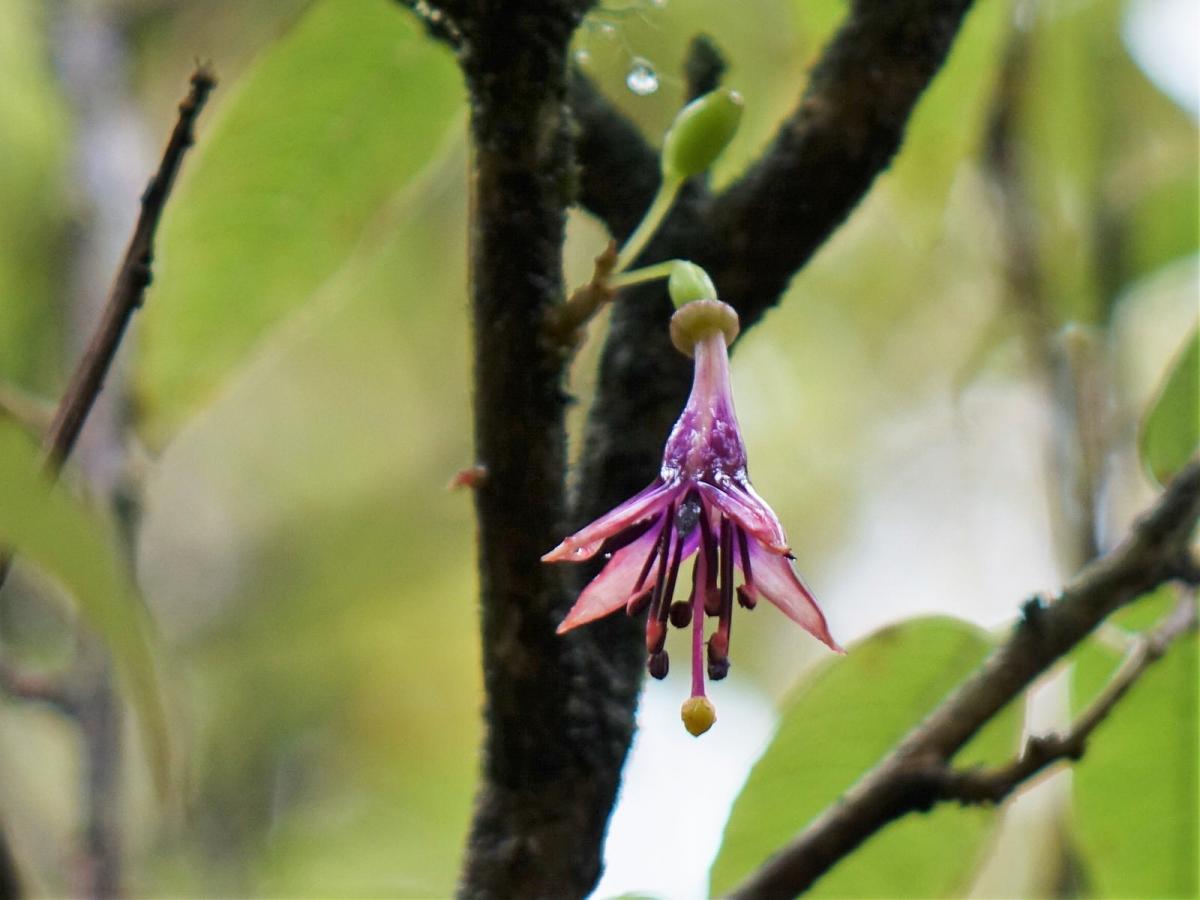
The pink flower is kotukutuku / NZ native tree fuchsia /Fuchsia excorticata, on an old tree which has overhung Kaipatiki Stream in Glenfield for several decades, (photo 2018 by Jacqui Geuz, iNaturalist.nz.org).



Some Choice News!
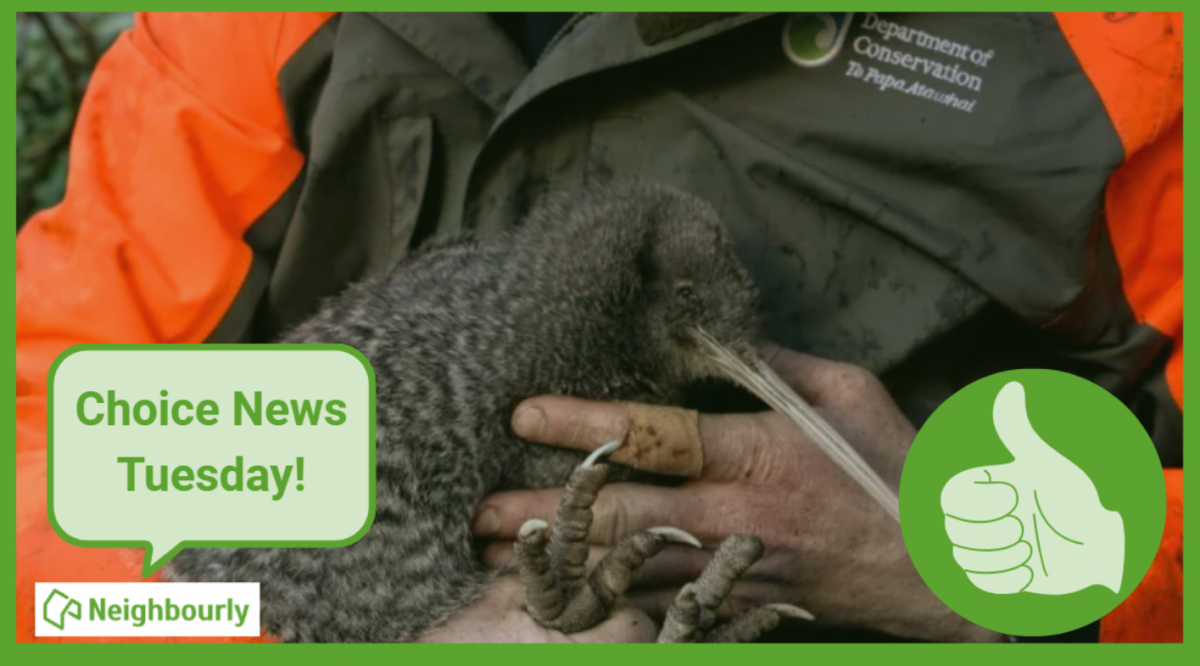
DOC is rolling out a new tool to help figure out what to tackle first when it comes to protecting our threatened species and the things putting them at risk.
Why does this matter? As Nikki Macdonald from The Post points out, we’re a country with around 4,400 threatened species. With limited time and funding, conservation has always meant making tough calls about what gets attention first.
For the first time, DOC has put real numbers around what it would take to do everything needed to properly safeguard our unique natural environment. The new BioInvest tool shows the scale of the challenge: 310,177 actions across 28,007 sites.
Now that we can see the full picture, it brings the big question into focus: how much do we, as Kiwis, truly value protecting nature — and what are we prepared to invest to make it happen?
We hope this brings a smile!

Have you got New Zealand's best shed? Show us and win!
Once again, Resene and NZ Gardener are on the hunt for New Zealand’s best shed! Send in the photos and the stories behind your man caves, she sheds, clever upcycled spaces, potty potting sheds and colourful chicken coops. The Resene Shed of the Year 2026 winner receives $1000 Resene ColorShop voucher, a $908 large Vegepod Starter Pack and a one-year subscription to NZ Gardener. To enter, tell us in writing (no more than 500 words) why your garden shed is New Zealand’s best, and send up to five high-quality photos by email to mailbox@nzgardener.co.nz. Entries close February 23, 2026.
Share your favourite main crop potato recipe and win a copy of our mag!
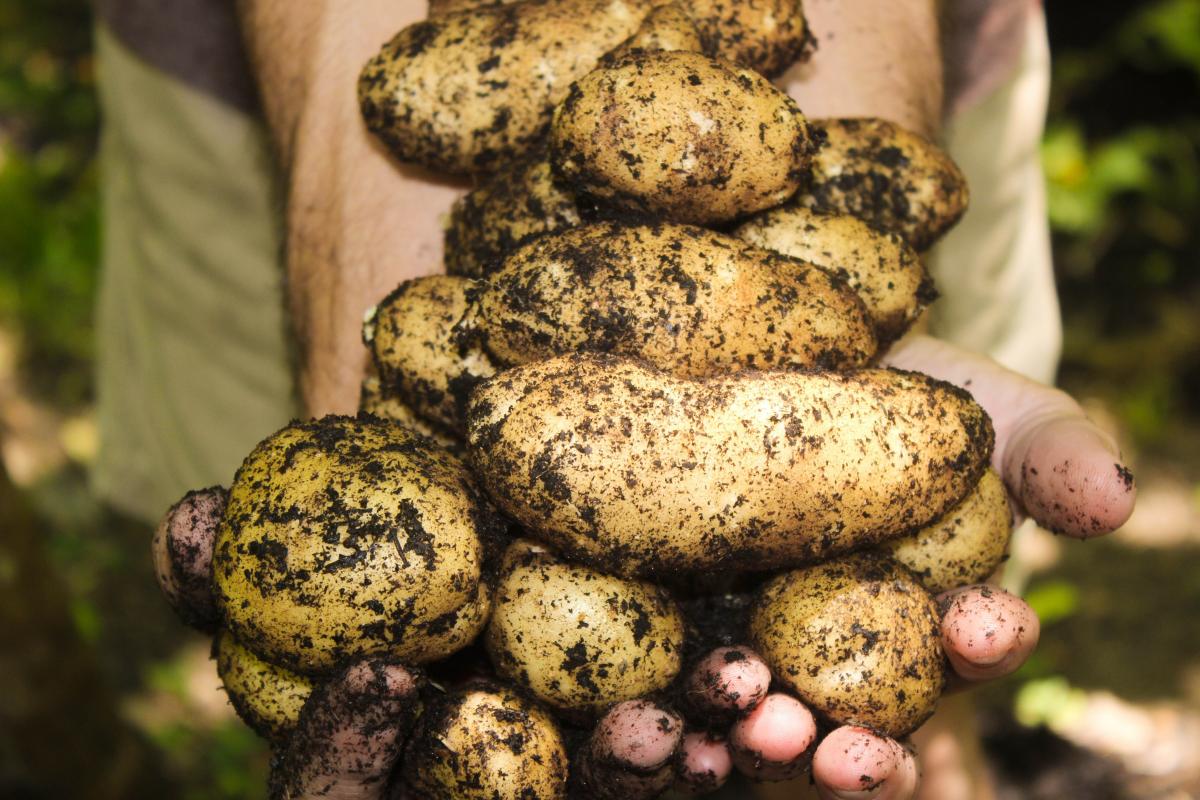
Love potatoes? We will give away free copies of the May 2026 issue to readers whose potato recipes are used in our magazine. To be in the running, make sure you email your family's favourite way to enjoy potatoes: mailbox@nzgardener.co.nz, by March 1, 2026.
 Loading…