



Love is Love: Reading competition
Take 3 romance books
1 - 29 February 2024
Win prizes and find new books that make your heart happy – for free!
Whether you adore love stories or are just flirting with the genre, February is your chance to delve into romance novels and be in to win!
The lucky winner receives everything you need for a summer of romantic picnics! Your picnic pack includes an insulated picnic basket and bottle carrier, picnic blanket, outdoor crockery/cutlery, a cheeseboard set and a whopping $100 Countdown gift card.
Two runners-up will win a special Mitre 10 Mega ‘shop and flirt’ $100 gift card.
How to enter
Throughout February, borrow three romance novels from any of our libraries or our Libby and OverDrive eCollections. You'll automatically go in the draw to win – it’s that easy!
The more romances you read, the more chances you have to win, so fill your library card with love!
This competition is in celebration of the fabulous Auckland Pride Festival. We're celebrating love in all its diversity, so look out for our romance displays and curated reading lists that will tickle your fancy, no matter what (or who) you fancy!
Don't have a library card?
Your free library card gives you access to thousands of books, films, e-books, audiobooks, research collections and much more! Sign up online for free or visit your local library today.



Don't overthink this riddle...
I have a silver sole
but no feet,
I make my living by bringing the heat.
What am I?
Do you think you know the answer? Simply 'Like' this post if you know the answer and the big reveal will be posted in the comments at 2pm on the day!
Want to stop seeing these in your newsfeed?
Head here and hover on the Following button on the top right of the page (and it will show Unfollow) and then click it. If it is giving you the option to Follow, then you've successfully unfollowed the Riddles page.


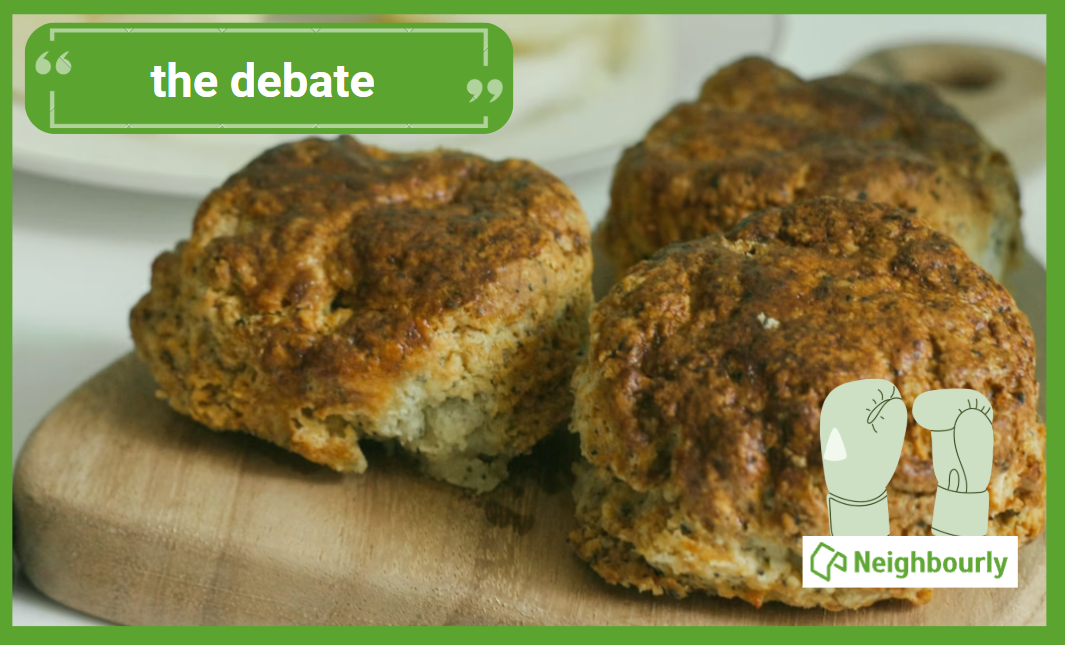
Poll: Does a savoury scone require cheese on top, or folded inside?
Help settle the great kiwi debate ... cheese on top, or folded inside?
-
76.4% Inside!
-
23.6% On top!
Poll: Are you still heading to your local for your caffeine fix, or has the $$ changed your habits? ☕
Auckland has a thriving cafe culture, but with costs climbing, that culture is under pressure. We’ve seen the headlines about recent closures across the country, and it’s a tough pill to swallow along with a $6+ coffee.
We all want our favourite spots to stay open, but we also have to balance our own budgets ⚖️
We want to know: How are you handling the "coffee math" in 2026? Are you still heading to your local for a chat and a caffeine fix, or has the cost of living changed your habits?
Keen to read more about "coffee math"? The Post has you covered.

-
42% I avoid spending money on coffee
-
42% I still indulge at my local cafe
-
16% Irrelevant - coffee is not for me
 Loading…