





Recipe: Classic Omelette
Omelettes are essentially a version of scrambled eggs but they have been left to rest and coagulate so that the pan side is firm. Some people prefer firm omelettes, others like to have the egg a little runny so that it retains that soft, silky consistency also known as baveuse.
Ingredients
3 Eggs
1 pinch Salt
½ tsp Butter, or a splash of good quality olive oil
Directions
1. In a bowl whisk the eggs. Add salt.
2. Heat the butter in a frying pan (non-stick is easier) until it is just beginning to brown and has a nutty smell. Let it run around the pan so that it is well coated.
3. Pour in the egg mix. With your rubber spatula, constantly lift and scoop around the edges and cut through the middle of the egg mixture to cook evenly.
4. If you are adding a filling to the omelette, it should be done at this point.
5. Roll or fold the omelette by folding one half on the other, or fold one third on the middle third and then roll on the remaining third.
Prior to folding, you can add a filling to lift the flavour of the omelette.
Classic combinations include:
Saute mushrooms
Blanched spinach (with cream)
Diced ham
A combination of finely chopped herbs such as chives, chervil, parsley, tarragon


Poll: Should the government levy industries that contribute to financial hardship?
As reported in the Post, there’s a $30 million funding gap in financial mentoring. This has led to services closing and mentors stepping in unpaid just to keep helping people in need 🪙💰🪙
One proposed solution? Small levies on industries that profit from financial hardship — like banks, casinos, and similar companies.
So we want to hear what you think:
Should the government ask these industries to contribute?

-
59.8% Yes, supporting people is important!
-
25.8% No, individuals should take responsibility
-
14.4% ... It is complicated

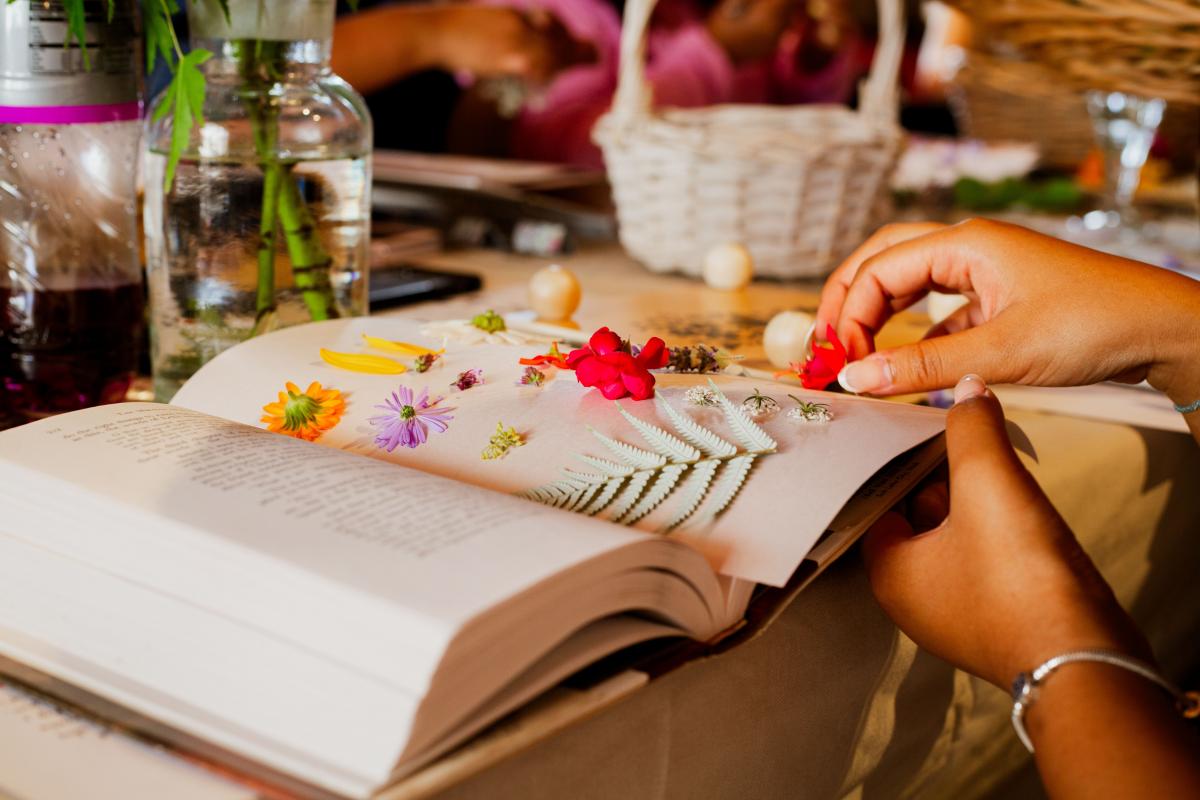
Flower Pressing Workshop
Step back in time and discover the delicate Victorian art of flower pressing at Howick Historical Village.
Explore the gardens, gather flowers and foliage, and learn how to press and preserve them as keepsakes, just as the Victorians once did. Historical interpreter Ruth Page will guide you through the process and share tips for the best results.
📅 Dates:
• Saturday 21 March
• Saturday 28 March
• Saturday 11 April
• Saturday 18 April
⏰ 1:30–3:30pm
💲 Cost:
$28 (bring your own heavy book)
$42 (flower press included – yours to keep)
🎟 Includes entry to explore the Village (open 10am–4pm)
📩 Bookings essential – places are limited
A relaxing, creative afternoon surrounded by history and gardens — perfect for nature lovers and craft enthusiasts alike

Late Summer Harvest!
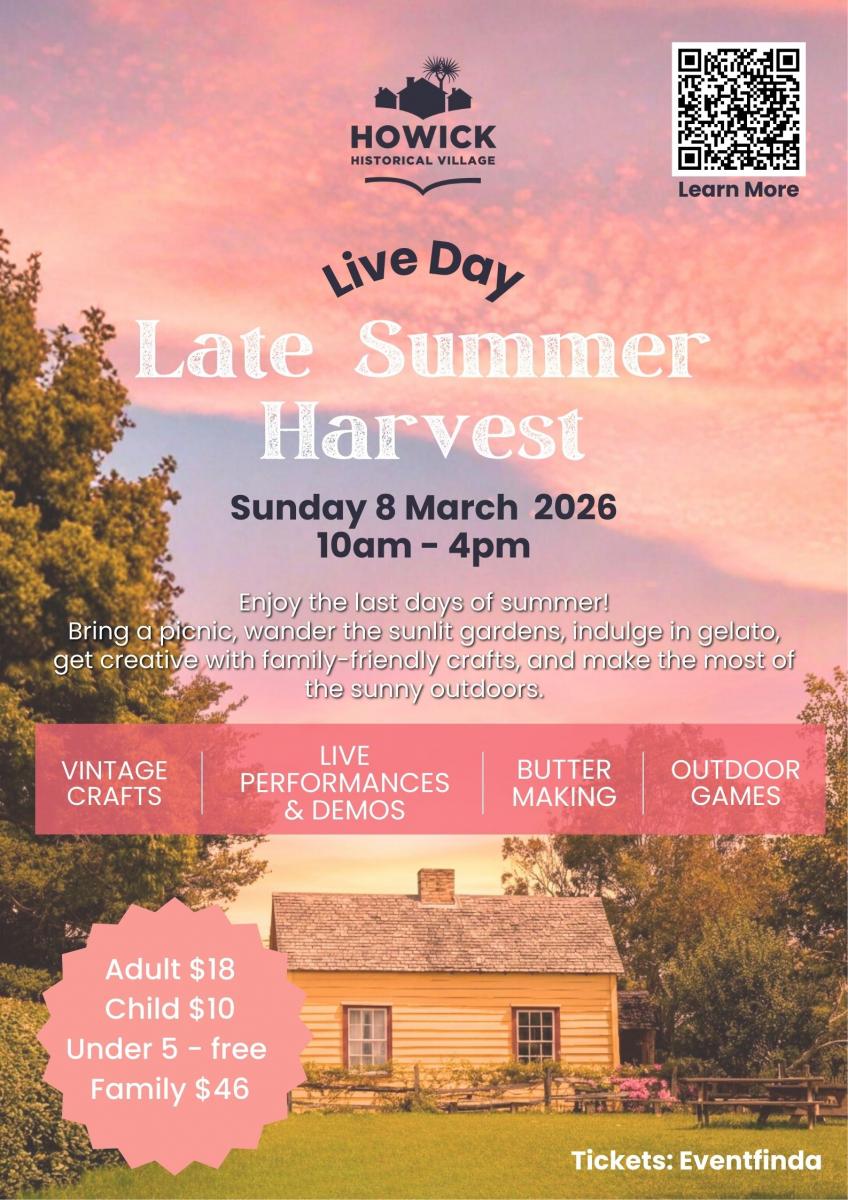
Experience a sun-kissed day at Howick Historical Village, celebrating the last of summer's bounty. Explore how the season’s harvest was gathered, preserved, and enjoyed in the 1800s, before the season changed.
The end of summer was a time to enjoy long, warm, dry days but also to prepare before autumn crept in. Pantries were filled as food was preserved, boots were waterproofed, curtains rehung. Honey made by busy bees all summer, was extracted from the hives.
Join us to experience the gentle turning of the seasons, where work and pleasure met, and the closing days of summer were truly cherished! Churn cream into butter or attend a Victorian school lesson. See the blacksmiths and woodturners at work and learn the art of bookbinding. Meet the Village beekeeper in a talk at 2 pm. Taste fresh baking, hot from the coal range in Puhi Nui Homestead and the bread oven. Visit the sweet shop filled with old-fashioned lollies and fudge!
With games, crafts and performances by Morris dancers at 11:00 & 12:00, and the bagpipe band at 12 pm and plenty to entertain all ages, this will be a Live Day not to miss!
Admission: adult $18, student/senior $14, child $10, family $46. Child under 5 years, members & annual pass holders - free entry.
 Loading…