





From tea towels to TV remotes: Everyday bacterial hotspots – and how to clean them
Bacteria are lurking on your sponge, your pet’s toys and your tea towels. Here’s what the research says - and how to protect yourself.
From your phone to your sponge, your toothbrush to your trolley handle, invisible armies of bacteria are lurking on the everyday objects you touch the most. Most of these microbes are harmless – some even helpful – but under the right conditions, a few can make you seriously ill.
But here’s the catch: some of the dirtiest items in your life are the ones you might least expect.
Here are some of the hidden bacteria magnets in your daily routine, and how simple hygiene tweaks can protect you from infection.
Shopping trolley handles
====================
Shopping trolleys are handled by dozens of people each day, yet they’re rarely sanitised. That makes the handles a prime spot for germs, particularly the kind that spread illness.
One study in the US found that more than 70 percent of shopping carts were contaminated with coliform bacteria, a group that includes strains like E. coli, often linked to faecal contamination. Another study found Klebsiella pneumoniae, Citrobacter freundii and Pseudomonas species on trolleys.
Protect yourself: Always sanitise trolley handles before use, especially since you’ll probably be handling food, your phone or touching your face.
Kitchen sponges
==============
That sponge by your sink? It could be one of the dirtiest items in your home. Sponges are porous, damp and often come into contact with food: ideal conditions for bacteria to thrive.
After just two weeks, a sponge can harbour millions of bacteria, including coliforms linked to faecal contamination, according to the NSF Household Germ Study and research on faecal coliforms.
Protect yourself: Disinfect your sponge weekly by microwaving it, soaking it in vinegar, or running it through the dishwasher. Replace it if it smells – even after cleaning. Use different sponges for different tasks (for example, one for dishes, another for cleaning up after raw meat).
Chopping boards
==============
Chopping boards can trap bacteria in grooves left by knife cuts. Salmonella and E. coli can survive for hours on dry surfaces and pose a risk if boards aren’t cleaned properly.
Protect yourself: Use separate boards for raw meat and vegetables. Wash thoroughly with hot, soapy water, rinse well and dry completely. Replace boards that develop deep grooves.
Tea towels
=========
Reusable kitchen towels quickly become germ magnets. You use them to dry hands, wipe surfaces and clean up spills – often without washing them often enough.
Research shows that E. coli and salmonella can live on cloth towels for hours.
Protect yourself: Use paper towels when possible, or separate cloth towels for different jobs. Wash towels regularly in hot water with bleach or disinfectant.
Mobile phones
=============
Phones go everywhere with us – including bathrooms – and we touch them constantly. Their warmth and frequent handling make them ideal for bacterial contamination.
Research shows phones can carry harmful bacteria, including Staphylococcus aureus.
Protect yourself: Avoid using your phone in bathrooms and wash your hands often. Clean it with a slightly damp microfibre cloth and mild soap. Avoid harsh chemicals or direct sprays.
Toothbrushes near toilets
=====================
Flushing a toilet releases a plume of microscopic droplets, which can land on nearby toothbrushes. A study found that toothbrushes stored in bathrooms can harbour E. coli, Staphylococcus aureus and other microbes.
Protect yourself: Store your toothbrush as far from the toilet as possible. Rinse it after each use, let it air-dry upright and replace it every three months – or sooner if worn.
Bathmats
========
Cloth bathmats absorb water after every shower, creating a warm, damp environment where bacteria and fungi can thrive.
Protect yourself: Hang your bathmat to dry after each use and wash it weekly in hot water. For a more hygienic option, consider switching to a wooden mat or a bath stone: a mat made from diatomaceous earth, which dries quickly and reduces microbial growth by eliminating lingering moisture.
Pet towels and toys
================
A bird's eye view of a dog playing with several toys.
Pet towels and toys stay damp and come into contact with saliva, fur, urine and outdoor bacteria. According to the US national public health agency, the Centers for Disease Control and Prevention, pet toys can harbour E. coli, Staphylococcus aureus and Pseudomonas aeruginosa.
Protect your pet (and yourself): Wash pet towels weekly with hot water and pet-safe detergent. Let toys air dry or use a dryer. Replace worn or damaged toys regularly.
Shared nail and beauty tools
=======================
Nail clippers, cuticle pushers and other grooming tools can spread harmful bacteria if they’re not properly cleaned. Contaminants may include Staphylococcus aureus – including MRSA, a strain resistant to antibiotics – Pseudomonas aeruginosa, the bacteria behind green nail syndrome, and Mycobacterium fortuitum, linked to skin infections from pedicures and footbaths.
Protect yourself: Bring your own tools to salons or ask how theirs are sterilised. Reputable salons will gladly explain their hygiene practices.
Airport security trays
=================
Airport security check. Young man holding passport and waiting for x-ray control his luggage.
After being screened by security, wash your hands or use sanitiser.123RF
Airport trays are handled by hundreds of people daily – and rarely cleaned. Research has found high levels of bacteria, including E. coli.
Protect yourself: After security, wash your hands or use sanitiser, especially before eating or touching your face.
Hotel TV remotes
===============
Studies show hotel remote controls can be dirtier than toilet seats. They’re touched by many hands and rarely sanitised.
Common bacteria include E. coli, enterococcus and Staphylococcus aureus, including MRSA, according to research.
Protect yourself: Wipe the remote with antibacterial wipes when you arrive. Some travellers even put it in a plastic bag. Always wash your hands after using shared items.
Bacteria are everywhere, including on the items you use every day. You can’t avoid all germs, and most won’t make you sick. But with a few good habits, such as regular hand washing, cleaning and smart storage, you can help protect yourself and others.
It’s all in your hands.
===================================================

The Gospel’s Relevance Today**
The Gospel, meaning ‘good news’, is the cornerstone of the message contained in the Bible’s first four books—Matthew, Mark, Luke, and John. While these records were written approximately 2,000 years ago, a natural question arises: why is this Gospel still relevant and vital for us today? This analysis seeks to explore what the Bible itself defines as the Gospel and to understand its enduring significance.
**Defining the Gospel: Core Biblical References**
The Gospel is not a vague concept; Scripture provides clear descriptions of its content and focus.
* **The Gospel of the Kingdom:** In Matthew 4:23, as Jesus begins his ministry, he is described as “preaching the gospel of the kingdom.” This immediately establishes that the good news is centrally about a kingdom—the Kingdom of God. His accompanying miracles served to validate the authority of this message.
* **The Gospel of Jesus Christ:** Mark 1:1 opens with, “The beginning of the gospel of Jesus Christ, the Son of God.” Here, “Christ” is a title meaning ‘anointed one’. Thus, the good news is intrinsically about Jesus: his identity as the Anointed One and his unique status as the Son of God.
* **The Gospel of God’s Grace:** In Acts 20:24, the Apostle Paul speaks of his mission to “testify the gospel of the grace of God.” Grace signifies an undeserved gift. This reveals that the Gospel involves a gift from God, offered not because it is merited, but out of His benevolence.
* **The Gospel of Salvation and Peace:** Romans 1:16 declares the Gospel is “the power of God to salvation for everyone who believes,” breaking down barriers between Jew and Gentile (Greek). Furthermore, Romans 10:15 calls it the “gospel of peace,” pointing to a future state of peace brought about by this message.
* **The Gospel Summarised:** 1 Corinthians 15:1-4 provides a foundational summary. Paul reminds believers of the gospel he preached, “by which also you are saved.” He then states its core historical facts: “that Christ died for our sins according to the Scriptures, and that He was buried, and that He rose again the third day according to the Scriptures.” The Gospel is therefore rooted in the sacrificial death and resurrection of Jesus.
In synthesis, the Gospel is the good news of **salvation and future peace in the Kingdom of God**, made possible by **the grace of God** and **the obedient sacrifice of His Son, Jesus Christ**, and offered to all who believe.
**Old Testament Foundations: The Gospel Preached to Abraham**
A crucial question is whether the Gospel is confined to the New Testament. Scripture shows its foundations were laid much earlier. Galatians 3:8 states explicitly that “the Scripture, foreseeing that God would justify the Gentiles by faith, preached the gospel to Abraham beforehand, saying, ‘In you all the nations shall be blessed.’”
This reference points back to Genesis 12:1-3, where God made profound promises to Abraham: to make him a great nation, to bless those who blessed him, and that “in you all the families of the earth shall be blessed.” These promises—later reaffirmed to Isaac and Jacob—form the bedrock of the Gospel hope. The good news of salvation through Christ is the fulfillment of how **all nations** would be blessed through Abraham’s “seed.”
**The Gospel’s Personal Relevance: Good News for You Today**
How does this ancient message become “good news for you” today? The application is clearly outlined in Galatians 3.
* **Access through Faith in Christ:** Galatians 3:26 declares, “For you are all sons of God through faith in Christ Jesus.” The promise made to Abraham is now extended to anyone with faith in Jesus.
* **The Role of Baptism:** Verse 27 explains, “For as many of you as were baptized into Christ have put on Christ.” Baptism is the God-appointed act of faith that identifies a believer with Christ’s death and resurrection.
* **Unity and Inheritance:** Verses 28-29 reveal the glorious outcome: “There is neither Jew nor Greek, there is neither slave nor free, there is neither male nor female; for you are all one in Christ Jesus. And if you are Christ’s, then you are Abraham’s seed, and heirs according to the promise.” Through the Gospel, all barriers are removed; believers become spiritual descendants of Abraham and heirs to the promises of the Kingdom.
This Gospel was once a mystery hidden in God’s purpose (Ephesians 3:3-9). Now, it has been revealed: the unsearchable riches of Christ, offering salvation to all who heed the call, believe the message, and are baptised into him.
**Conclusion: An Enduring and Open Invitation**
The Gospel is far more than a historical account; it is the living, powerful good news of God’s plan for salvation. It is rooted in promises to Abraham, accomplished through the death and resurrection of Jesus Christ, and open to all people without distinction. It offers a tangible hope—the hope of resurrection, peace, and an inheritance in the coming Kingdom of God. This is why the Gospel remains profoundly relevant. It is an invitation to listen, believe, and stand firm in this hope, linking our lives today to the eternal purpose of God.


Poll: 🤖 What skills do you think give a CV the ultimate edge in a robot-filled workplace?
The Reserve Bank has shared some pretty blunt advice: there’s no such thing as a “safe” job anymore 🛟😑
Robots are stepping into repetitive roles in factories, plants and warehouses. AI is taking care of the admin tasks that once filled many mid-level office jobs.
We want to know: As the world evolves, what skills do you think give a CV the ultimate edge in a robot-filled workplace?
Want to read more? The Press has you covered!

-
52.5% Human-centred experience and communication
-
14.8% Critical thinking
-
29.6% Resilience and adaptability
-
3.1% Other - I will share below!
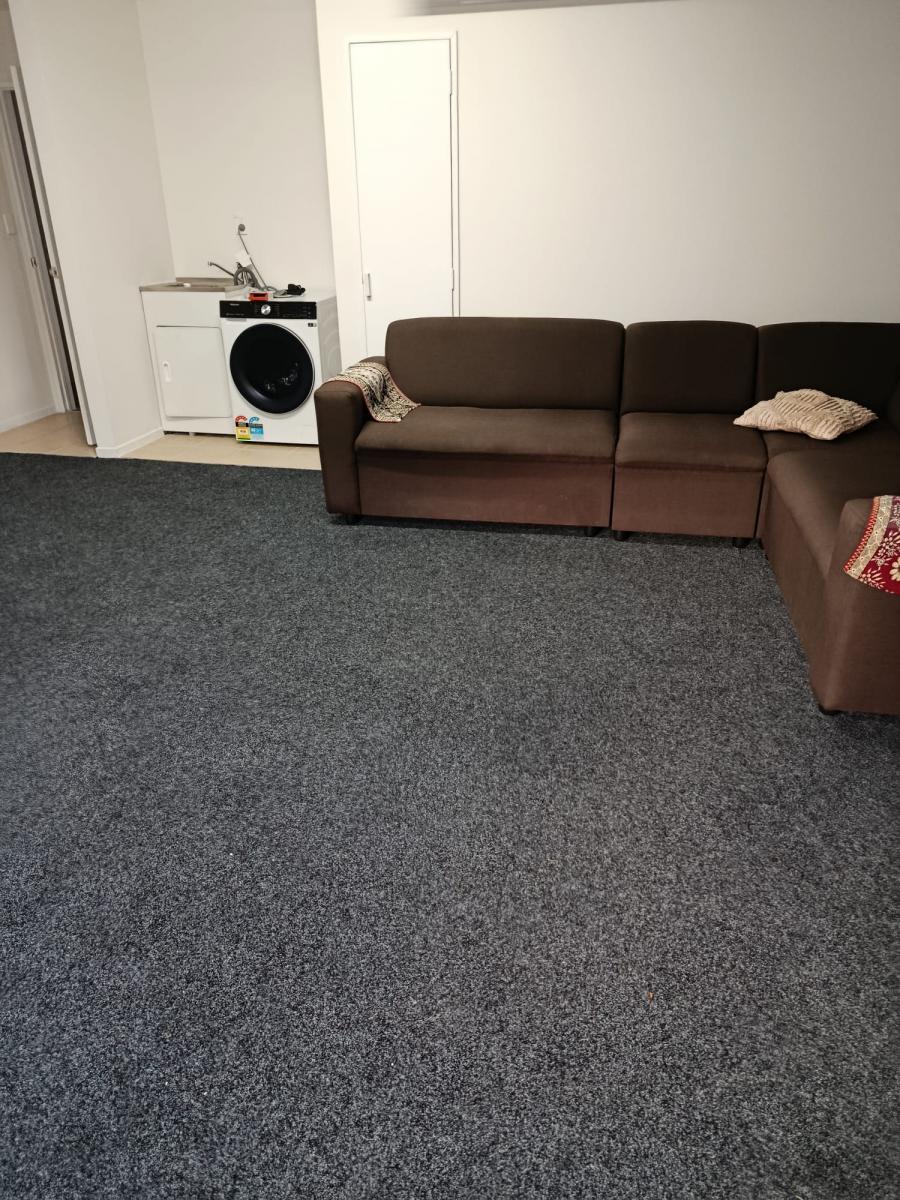
Room for rent
🌿 Beautiful Private Space Available for Rent – Perfect for 2 Girls or a Couple 🌿
Located in the peaceful and family-friendly suburb of Lynfield, this warm and welcoming home offers a comfortable living space in a highly sought-after top school zone.
✨ What’s Included:
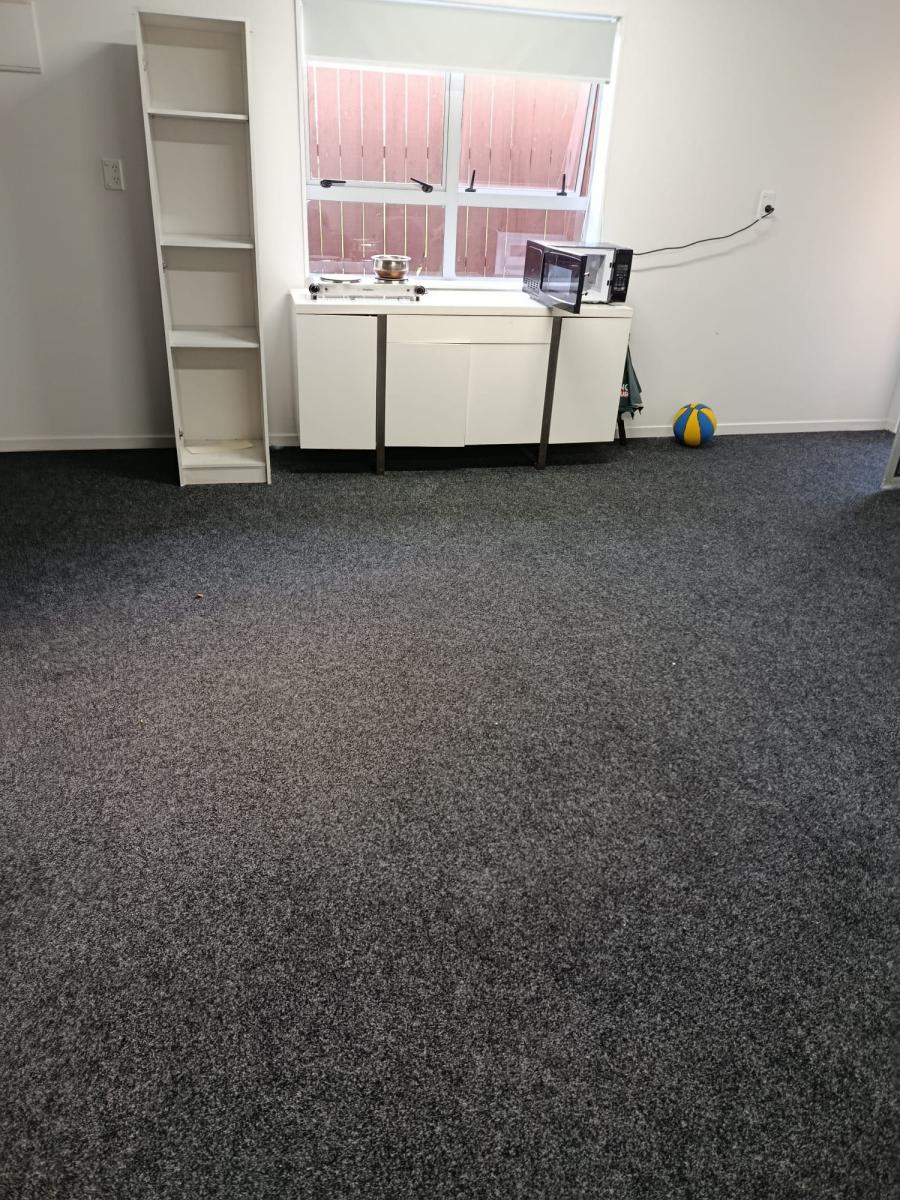
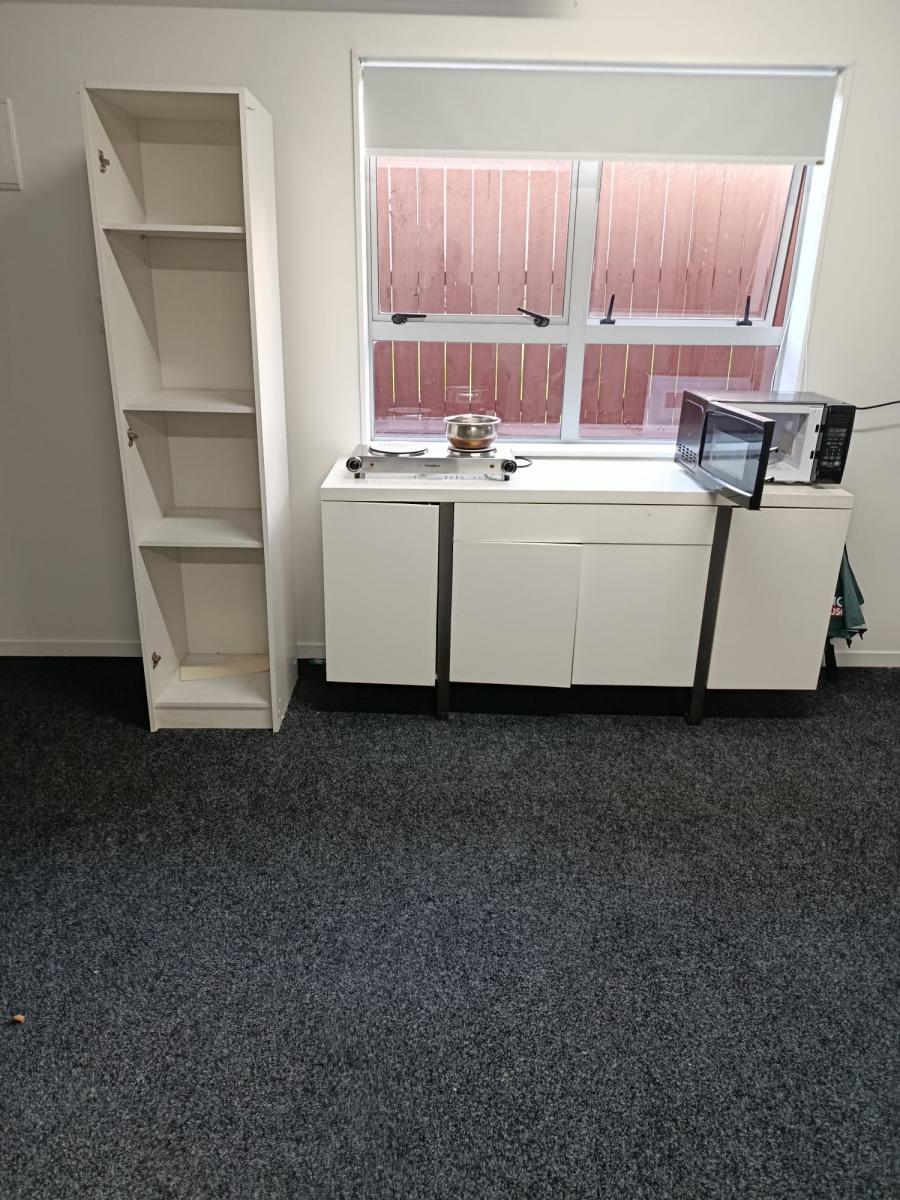
🏡 2 Spacious Bedrooms
🛁 Private Bathroom
🍳 Separate Kitchen
🛏️ 1 Bed with Mattress
🔥 Stove
📟 Microwave
Unlimited WiFi included
✔ Power & water included
✔ Bus stop in front of the house
✔ Nearby shops and supermarkets
This setup is ideal for two girls or a couple looking for a quiet, safe, and relaxed place to call home.
🌸 Enjoy living in a serene neighbourhood with a friendly community atmosphere, while still being conveniently close to schools, shops, and transport.
If you're looking for comfort, privacy, and a peaceful lifestyle — this could be your perfect new home 💛
📍 Location: Lynfield, Auckland
📩 Message for more details or to arrange a viewing. For couple $450 for one bedroom. $600 for the 2 bedroom and kitchen and bathroom. Feel free to contact me on 022-422-0145 for any other details











 Loading…