







Auckland Zoo staff hand-rear tamarins after mum was unable to produce milk
Hi neighbours,
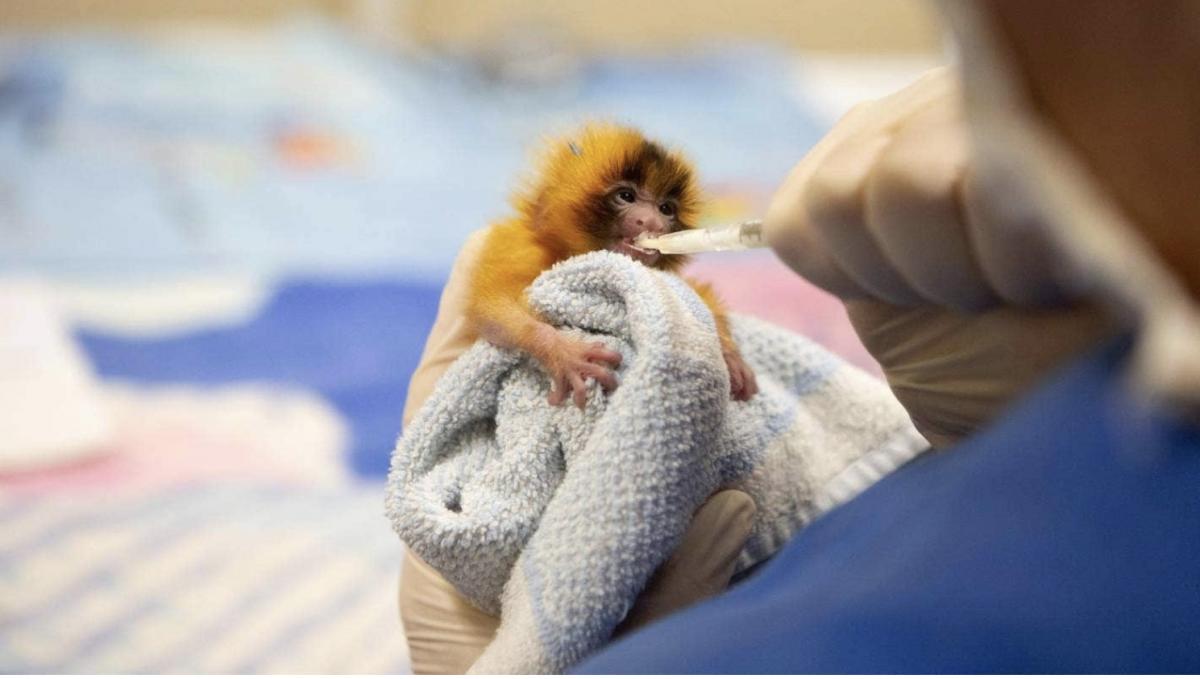
Twin tamarins are thriving at Auckland Zoo after their mum was unable to produce milk, leading to them being hand-reared.
The rare golden lion tamarins, a male and a female, were born to mum Frida on July 17.
Frida was unable to produce milk for her babies, meaning zookeepers had to make the decision, when they were two days old, to hand-rear them instead.
Auckland Zoo primate team leader Amy Robbins said the possibility of needing to hand-rear was already on the table because of Frida’s difficulty in raising offspring in the past.
“Hand-rearing is never a decision we make lightly and there are always risks, but we had strong science-based evidence to inform this call and the full support of this programme’s species coordinator,” Robbins said.

Poll: Is Auckland’s economy improving?
The latest reporting from The Post suggests a wave of optimism for 2026. With interest rates finally heading south, businesses are feeling more positive. But for many on the ground, the real-world recovery feels a bit like a slow-moving commute on Auckland's motorways.
We want to know: Are you seeing signs of Auckland's economy improving in your industry or neighbourhood? Whether it's busier shops, new projects kicking off, or just a shift in the mood ...

-
17.3% Yes
-
64.1% No
-
18.6% A little
Got more greens than you know what to do with? 🥦🌱🥕
Whether it’s a courgette takeover or a feijoa frenzy, don’t let those garden gems go to waste!
Our suggestion to you: Did you know you can grate and freeze excess courgettes to use in chocolate cake later? It sounds a bit dodgy, but it makes the cake incredibly moist ... and hey, it counts as a serving of veg, right? 🍫
What’s your go-to move for a bumper harvest? Drop your best "glut" recipes or preservation hacks in the comments below! 👇

🪱🐦 When are you the most productive? 🌙🦉
The Post has been diving into our daily habits, and research suggests being an early bird or a night owl isn’t just a choice—it’s biology! We all have that specific time when our brains finally "click" into gear.
This raises a big question for the modern workplace. To get the best out of everyone, should employers accommodate our natural body clocks? This idea is at the heart of the four-day work week and flexible scheduling movements.
We want to hear from you:
1. When does your brain "click" into gear?
2. Would a flexible (or shortened) schedule change the way you work?

 Loading…