





How to Make Hemp Rope
Knowing how to make rope was once a critical skill for survival and self-sufficiency on the frontier. Early settlers were able to make rope from a variety of materials, but the main thing they used was hemp.
A rapid growing plant, hemp is perfect for making rope. Hemp grows fast. It produces up to 75 tons of dry matter per acre per year. It thrives in poor soil, needs no fertilizers or pesticides to succeed, and gobbles up atmospheric CO2, stymieing the greenhouse effect. It produces more fibre per pound than either cotton or flax, and these fibres are easily extracted in order to make hemp rope, twine, or cord.
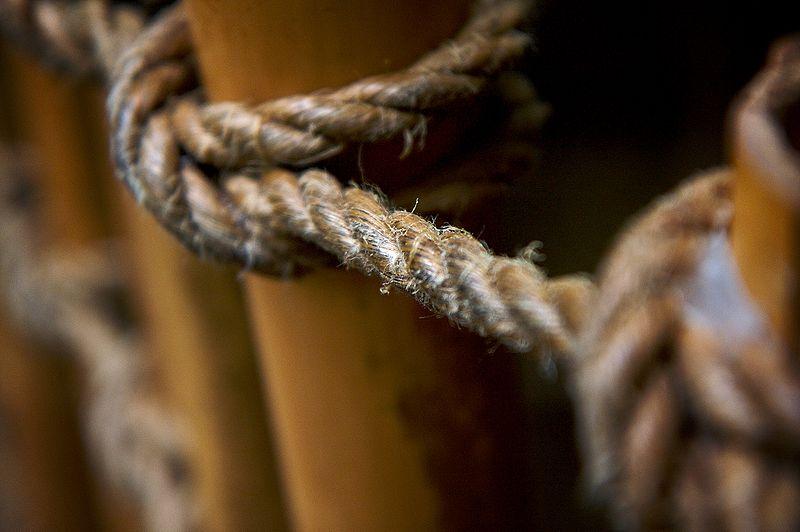
Hemp rope is easy to make. Some methods involve using a rope machine, but fortunately such an investment isn’t necessary to the process. All you really need is some hemp fibre or hemp twine, and a short piece of wooden dowel. Our hemp rope maker, available in our shop, will really streamline the process for you if you plan on making lots of hemp rope.
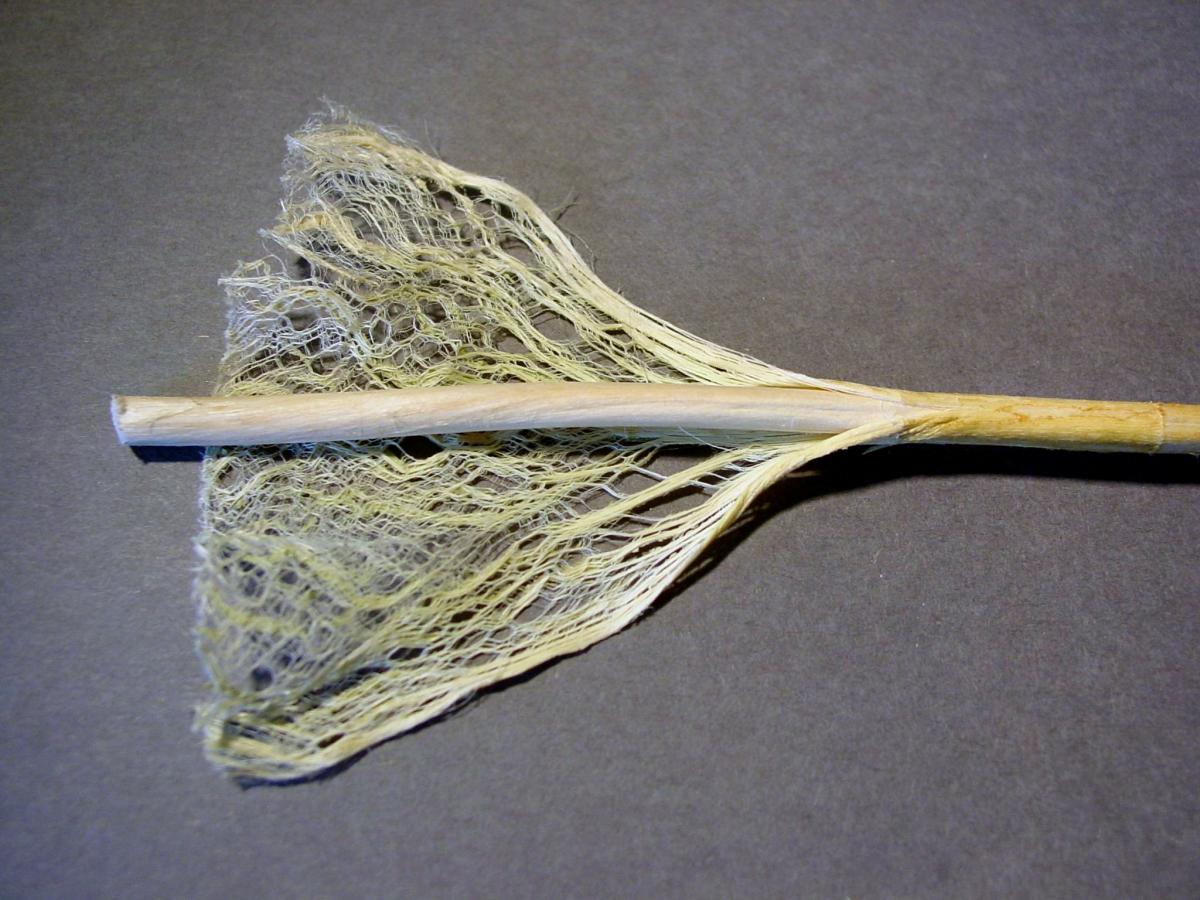
Step one: Separate the hemp fibres or unwind the hemp yarn and cut into lengths approximately twice as long as the desired length of the rope. Continue cutting until you have a bundle of fibres approximately half the size of the diameter of rope you’d like to make.
Step two: Grab the bundle of fibres and fold it in half, securing the fold by placing a dowel rod through the resultant loop and into the ground. Smooth the fibres of this bundle down by running your hand along the length of the cord.
Step three: Divide the bundle in two, holding half the fibres in your left hand and half the fibres in your right.
Step four: Twist each bundle clockwise until the cord you are creating begins to kink and loop. Pull as hard as you can while twisting.
Step five: Twist the two cords together, wrapping one over the other in a counter clockwise motion, to form a rope.
Step six: Secure the ends with overhand knots beginning with the end in your hands. Once the first end is tightly tied, slip the rope off the dowel rod and tie it as well.
To make a cable, repeat steps 2 through 6 and twist the two ropes together. This process can be repeated as many times as you like, making thicker, stronger cables as you go.
Enjoy making your own hemp rope! This technique can be used to make hemp twine, hemp cord. and hemp yarn as well. It all depends on the size of the fibres you start with. Need some ideas for what to do with your newly made hemp rope? Try using a piece as a clothesline, for air-drying your clothes. Make a hemp leash for your pet, or keep your hemp twine petite for use in jewellery making.
Making rope is a great way to be self-sufficient and eliminate the supply chain requirement. Everything you can make yourself is one less packaged product– in this case, one less coil of synthetic rope– that needs to be manufactured for you. Have fun!

Poll: Should the government levy industries that contribute to financial hardship?
As reported in the Post, there’s a $30 million funding gap in financial mentoring. This has led to services closing and mentors stepping in unpaid just to keep helping people in need 🪙💰🪙
One proposed solution? Small levies on industries that profit from financial hardship — like banks, casinos, and similar companies.
So we want to hear what you think:
Should the government ask these industries to contribute?

-
59.3% Yes, supporting people is important!
-
26.2% No, individuals should take responsibility
-
14.5% ... It is complicated

Have you got New Zealand's best shed? Show us and win!
Once again, Resene and NZ Gardener are on the hunt for New Zealand’s best shed! Send in the photos and the stories behind your man caves, she sheds, clever upcycled spaces, potty potting sheds and colourful chicken coops. The Resene Shed of the Year 2026 winner receives $1000 Resene ColorShop voucher, a $908 large Vegepod Starter Pack and a one-year subscription to NZ Gardener. To enter, tell us in writing (no more than 500 words) why your garden shed is New Zealand’s best, and send up to five high-quality photos by email to mailbox@nzgardener.co.nz. Entries close February 23, 2026.


 Loading…