






Care Labelling
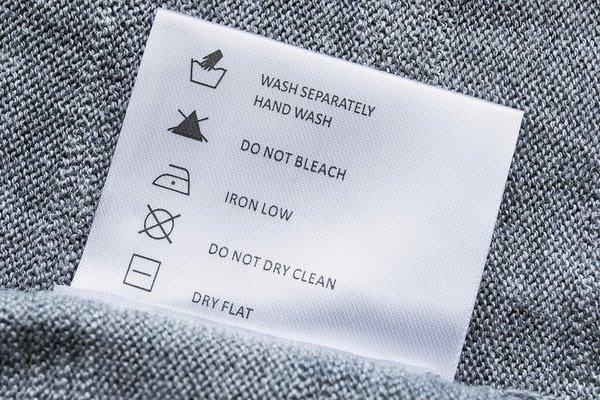
It is mandatory under the Consumer Information Standards (Care Labelling) Regulations 2000 for many new textile goods supplied in New Zealand to comply with specific sections of the Standard AS/NZS 1957:1998 Textiles – Care labelling.
The purpose of the care labelling consumer information standard is to make sure that:
• consumers are aware of the method and cost of caring for textile products when they are buying them
• a cleaner can confidently use the information to take care of the textiles
• the textile’s life is not shortened by inappropriate care information or no information
• the textile is not damaged or destroyed by inappropriate care.
It is illegal to supply textile goods that do not comply with this standard and the regulations.
The regulations set out the types of textile goods covered by the standard and what parts of the standard apply to New Zealand.
The standard sets out the words, terms and symbols to use on a label to show the correct way to care for textile goods, including dry-cleaning and washing.
The regulations are issued under section 27 of the Fair Trading Act 1986.
Who do the regulations apply to?
Any person supplying, offering to supply or advertising the supply of new textiles, that require care labelling information, must comply with the regulations. Any person includes retailers, importers, distributors and manufacturers.
Types of supply include textile goods for sale in a shop, on internet auction sites, at markets or stalls or in craft shops.
What textile items have to be labelled with care information?
The care labelling standard contains more details and requirements, some of which are very technical. You should read both the regulations and the standard to make sure you understand all the labelling requirements.
Keep reading: www.curtainclean.co.nz...

Poll: Should the government levy industries that contribute to financial hardship?
As reported in the Post, there’s a $30 million funding gap in financial mentoring. This has led to services closing and mentors stepping in unpaid just to keep helping people in need 🪙💰🪙
One proposed solution? Small levies on industries that profit from financial hardship — like banks, casinos, and similar companies.
So we want to hear what you think:
Should the government ask these industries to contribute?

-
59.4% Yes, supporting people is important!
-
26.3% No, individuals should take responsibility
-
14.3% ... It is complicated

Brain Teaser of the Day 🧠✨ Can You Solve It? 🤔💬
Make a hearty dish. Take just half a minute. Add four parts of kestrel. Then just add one. What have you made?
(Trev from Silverdale kindly provided this head-scratcher ... thanks, Trev!)
Do you think you know the answer? Simply 'Like' this post and we'll post the answer in the comments below at 2pm on the day!
Want to stop seeing these in your newsfeed? No worries! Simply head here and click once on the Following button.


Have you got New Zealand's best shed? Show us and win!
Once again, Resene and NZ Gardener are on the hunt for New Zealand’s best shed! Send in the photos and the stories behind your man caves, she sheds, clever upcycled spaces, potty potting sheds and colourful chicken coops. The Resene Shed of the Year 2026 winner receives $1000 Resene ColorShop voucher, a $908 large Vegepod Starter Pack and a one-year subscription to NZ Gardener. To enter, tell us in writing (no more than 500 words) why your garden shed is New Zealand’s best, and send up to five high-quality photos by email to mailbox@nzgardener.co.nz. Entries close February 23, 2026.
 Loading…