





Retirement savings gap emerging between self-employed and employees
A joint report from the Retirement Commission and accounting firm Hnry called Improving the retirement savings of the self-employed, found self-employed workers contribute to KiwiSaver at less than half the rate of employees, with many missing out on Government contributions.
Only 44% of self-employed Kiwis actively contribute to KiwiSaver, compared to 78% of employees between April 2024 and March 2025, according to the report.
Meanwhile, 41% of self-employed KiwiSaver members receive no government contribution, often due to irregular income or low earnings.
“Self-employed New Zealanders make up a growing share of our workforce, yet they are being left behind when it comes to retirement savings,” Retirement Commissioner Jane Wrightson said.
“Without meaningful reform, we risk seeing hundreds of thousands of people reach retirement without sufficient financial security.”
This could leave more retirees relying heavily on Government transfers – such as NZ Super and other benefits – as well as other public support, Wrightson said.
“Today’s inaction could become tomorrow’s fiscal burden.”
According to the 2023 Census, New Zealand has more than 420,000 self-employed individuals.
However, recent changes to KiwiSaver announced in this year’s Budget could further diminish retirement savings for self-employed.
From July 1, the Government’s contribution was reduced from 50c for every $1 to 25 cents for every $1 contributed up to $260.72.
The report said the policy change will reduce the retirement savings of self-employed KiwiSaver members, as they face the reduction in the Government contribution with no increase in employer contributions to offset this.
Hnry’s Sole Trader Pulse survey, commissioned two weeks after the Budget, found 24% of sole traders said they would reduce their KiwiSaver contributions because of Budget 2025 policy changes.
A further 6% said they would stop contributing to KiwiSaver altogether.
James Fuller, Hnry chief executive, said retirement savings must work for all New Zealanders, regardless of how they earn their income.
“Right now, we have a two-tier system that favours employees.
“Sole traders face a very real risk of poverty in retirement unless there is a cross-party consensus and policies that help them save more.
“We hope these findings finally lead the Government and Parliament to take this issue seriously.”
The report outlined policy options to improve outcomes for the self-employed based on initiatives already in place in other OECD nations, including:
Flexible percentage-of-income contributions;
Enhanced incentives for low-income contributors;
Innovative savings products such as linked emergency and retirement accounts.
===================================================

💡 A Little Brain Buzz for You⚡
I have two faces, but show you only one.
I once had guests, but now have none.
I’m rarely bloody and seldom blue.
I’m often promised and sometimes new
(Trev from Tamatea kindly provided this head-scratcher ... thanks, Trev!)
Do you think you know the answer? Simply 'Like' this post if you know the answer and the big reveal will be posted in the comments at 2pm on the day!
Want to stop seeing these in your newsfeed?
Head here and hover on the Following button on the top right of the page (and it will show Unfollow) and then click it. If it is giving you the option to Follow, then you've successfully unfollowed the Riddles page.


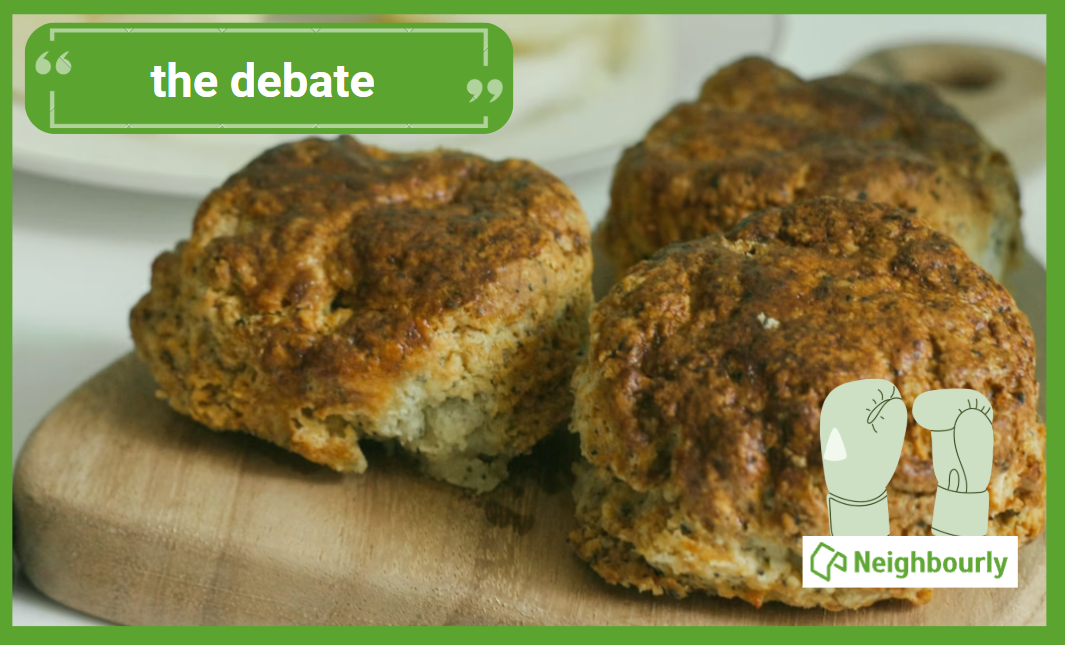
Poll: Does a savoury scone require cheese on top, or folded inside?
Help settle the great kiwi debate ... cheese on top, or folded inside?
-
76.3% Inside!
-
23.8% On top!
Poll: Are you still heading to your local for your caffeine fix, or has the $$ changed your habits? ☕
Auckland has a thriving cafe culture, but with costs climbing, that culture is under pressure. We’ve seen the headlines about recent closures across the country, and it’s a tough pill to swallow along with a $6+ coffee.
We all want our favourite spots to stay open, but we also have to balance our own budgets ⚖️
We want to know: How are you handling the "coffee math" in 2026? Are you still heading to your local for a chat and a caffeine fix, or has the cost of living changed your habits?
Keen to read more about "coffee math"? The Post has you covered.

-
42.5% I avoid spending money on coffee
-
41.2% I still indulge at my local cafe
-
16.3% Irrelevant - coffee is not for me
 Loading…