







A heart-wrenching glimpse into the reality faced by those using Flexible Funding
This survey offers a heart-wrenching glimpse into the reality faced by those using Flexible Funding—a lifeline that has been too often taken for granted. While the government, insistent on slashing this crucial support, claims that time constraints prevented them from engaging with the disabled community, the truth is starkly different. They didn’t ask, and therefore, they remain oblivious to the clear message conveyed by those directly affected.
The survey paints a poignant picture: 80% of respondents filled it out on behalf of someone else, while 20% shared their own experiences. And the results are nothing short of compelling. A staggering 98% either Agree (8%) or Strongly Agree (90%) that Flexible Funding has profoundly improved their quality of life compared to other alternatives like residential care. The benefits are manifold—Autonomy and Choice, Tailored Support, Improved Quality of Life, Increased Independence, Community Engagement, Respite for Carers, Access to Therapy and Health Services, Educational and Employment Opportunities, Mental Health and Wellbeing, and Financial Relief.
Moreover, 95% either Agree (25%) or Strongly Agree (70%) that their Host (Manawanui) provides an invaluable service, making the use of Flexible Funding straightforward and effective.
Yet, despite these resounding endorsements, the disabled community is being relentlessly battered, and the disconnect between the government and the lived experiences of these individuals is glaring. Disability is not a switch you can turn on and off—it’s a constant, all-encompassing reality. Experts in the field lament that the sector feels like it’s been thrown back to the outdated thinking of the 1990s, if not further. The attitudes of today’s government towards the disabled are reminiscent of the 1970s, echoing the dark days of sheltered workshops.
It’s profoundly disheartening to witness so many people suffering needlessly due to ignorance and indifference. The current trajectory is not just a policy failure—it’s a betrayal of the very people it is meant to support.


Poll: Should we ditch daylight saving? 🕰️
First introduced in New Zealand in 1927 with the passing of the Summer Time Act, it's what we know as 'Daylight Saving' and this year it ends on the first Sunday in April.
While we do get to sleep in this time around, some people would like to scrap the clock tinkering for good.
And why? Some evidence suggests the time changes are bad for our health as they mess with sleep patterns leading to short-term fatigue and affecting mood. Meanwhile the hour change is frustrating for farmers and a nightmare for getting the littlies to sleep. But what's your take?

-
36.6% Yes - get rid of the clock changes
-
62.6% No, I enjoy it
-
0.8% Other - I'll share below
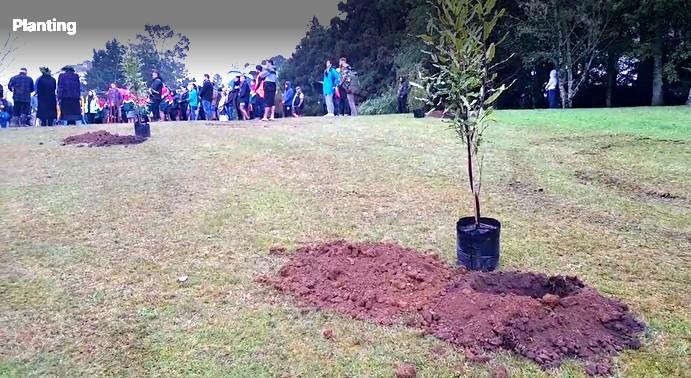
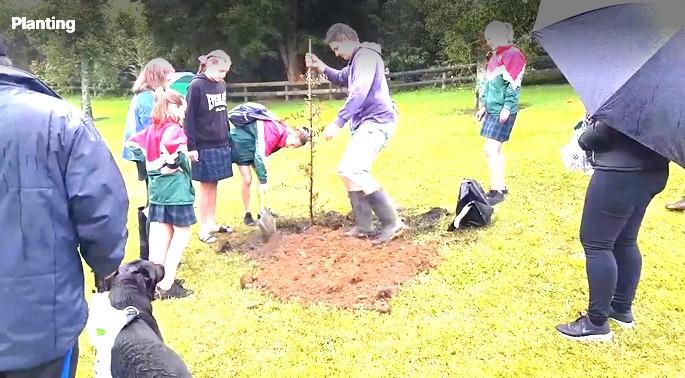
Remembering the 51 Trees planted at Whangarei Falls, Tikipunga
1 July 2019
School children, parents and teachers, local maori Hapu members and Kuia & Kaumatua were among more than 100 people who together planted 51 trees in Whangārei to honour the victims of the Christchurch mosque shootings.
The idea for the planting of native trees to remember those who lost their lives in the March attacks came from a student.









Poll: Does a savoury scone require cheese on top, or folded inside?
Help settle the great kiwi debate ... cheese on top, or folded inside?

-
76.3% Inside!
-
23.7% On top!
 Loading…