





Record numbers are leaving NZ – who could blame them?
Migration figures show a record number of New Zealanders are choosing not to stick around – and you don’t have to look hard to figure out why, writes Q+A presenter Jack Tame.
No data point says more about the current state of our country than the fact that record numbers of New Zealanders don’t want to be here.
Over the last two years, the quarterly release of migration statistics has steadily plotted a massive exodus of New Zealand citizens.
Once all citizen returns and departures were accounted for in the year to March 31, provisional net numbers indicated New Zealand lost more than a thousand Kiwis every week.
But why?
========
The pandemic restrictions are over and the borders have been open for New Zealanders for more than two years.
Pent-up demand for overseas adventure could explain the initial post-Covid surge in departures, and some New Zealanders who returned during the worst of Covid-19 have left again. But the more recent departures are better attributed to other factors.
As I’ve noted before, what’s perhaps most extraordinary about the huge outward migration of New Zealand citizens is it has coincided with near-record inbound migration of non-citizens.
Facing pressure from business groups amidst a global labour shortage, the previous government responded by massively relaxing immigration settings.
In the year to March 31, New Zealand recorded a net migration gain of 163,000 non-citizens.
Accounting for both the provisional citizen and non-citizen migration flows, there are 111,000 extra people in New Zealand than the year before. Add to that the births and deaths for the same period, and our overall population has increased by approximately 130,000 people in the last year.
During the same period, however, the number of consents issued for new houses dropped 25% on the previous 12 months.
As our population surges and construction slows, the average rent paid by the generation of New Zealanders most likely not to own their own homes has increased. TradeMe Property recorded a median rent increase of 8.3% in the year to March 2024 — more than double the corresponding annual increase in wages.
This renting generation, coincidentally, is the same generation most likely to have left New Zealand.
Of all migrant departures of New Zealand citizens, people between the ages of 18 and 30 made up almost 40%.
But even older New Zealanders — who are more likely to have established careers, families, and assets — are leaving in huge numbers. Accounting for all arrivals and departures, a net total of more than 7500 New Zealand citizens between the ages of 31-40 left our shores.
So, what will stem the bleed?
=======================
In the short term, at least, there is perhaps little economic reason to stay.
The new Government has moved swiftly to tighten immigration settings but, as the full impact of higher interest rates seeps through the economy, unemployment is steadily increasing.
The national unemployment rate currently sits at 4.3% and most economists expect it to climb above 5% in the coming months. The Māori unemployment rate is already at its highest point in four years at 8.2%.
Young Zealanders now find themselves competing with more people for relatively fewer houses and relatively fewer jobs.
And, as we enter a winter of economic discontent, who could blame them for leaving?
====================================
www.1news.co.nz...
====================================

Poll: Should we ditch daylight saving? 🕰️
First introduced in New Zealand in 1927 with the passing of the Summer Time Act, it's what we know as 'Daylight Saving' and this year it ends on the first Sunday in April.
While we do get to sleep in this time around, some people would like to scrap the clock tinkering for good.
And why? Some evidence suggests the time changes are bad for our health as they mess with sleep patterns leading to short-term fatigue and affecting mood. Meanwhile the hour change is frustrating for farmers and a nightmare for getting the littlies to sleep. But what's your take?

-
41.2% Yes - get rid of the clock changes
-
57.2% No, I enjoy it
-
1.6% Other - I'll share below
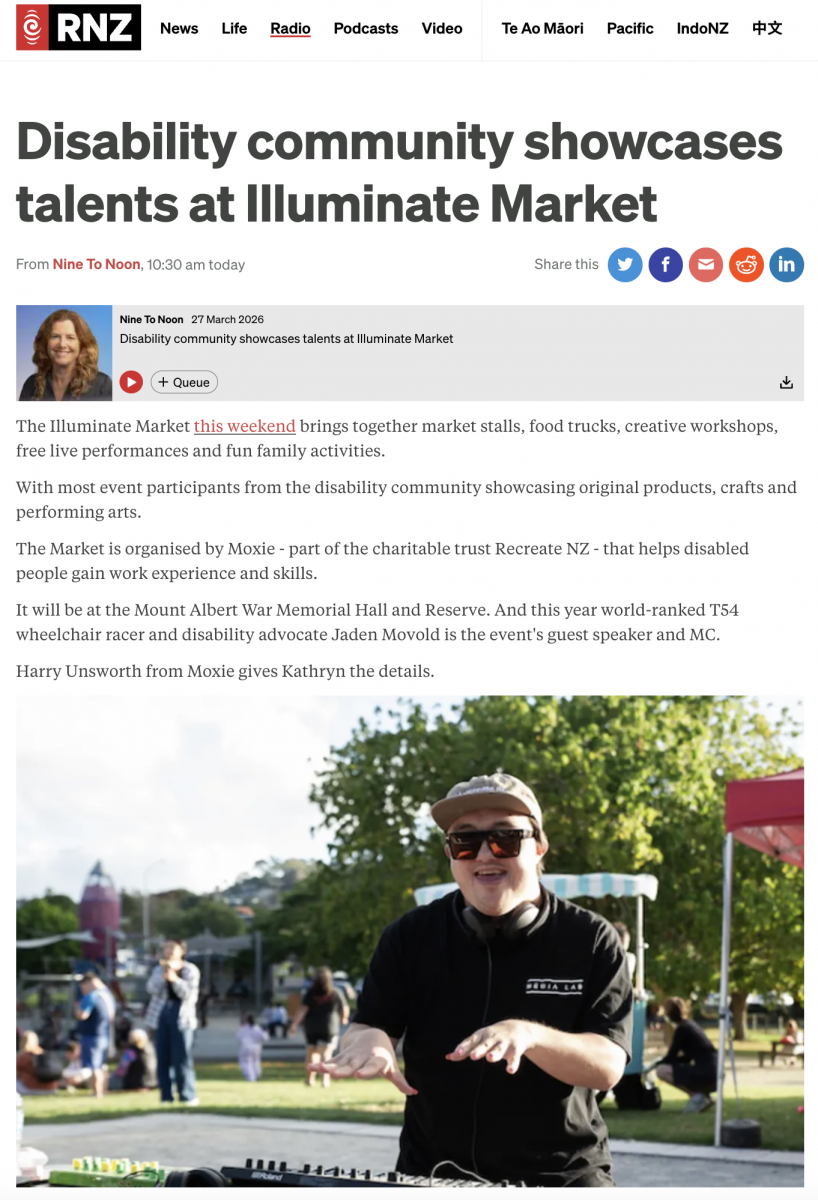
Illuminate Market 2026 is tomorrow in Mt Albert!
Gather your friends, whānau, neighbours, colleagues etc. and join us at Illuminate Market 2026!
>> We chatted to Kathryn Ryan on RNZ's Nine To Noon about Illuminate Market this morning, listen here:
www.rnz.co.nz...
Our special guest and MC, Jaden Movold, will be officially opening the festivities at 4pm on the Live Stage in the Reserve – you don’t want to miss this!
For full event details, including how to get there, parking and accessibility, visit: www.recreate.org.nz...
Sat 28th March, 4pm – 8pm
Mt Albert War Memorial Hall & Reserve
Free entry, all welcome!


Poll: How important is the ability to book a doctor’s appointment online?
Hi Neighbours
Here at The Doctors we would love to hear how you prefer to book your doctor’s appointments. With busy schedules, different people find different methods easier.
For some, online booking is very convenient, you can make an appointment anytime without needing to wait on the phone. Others still prefer calling the clinic and speaking to a real person, especially if they have specific questions about their visit.
Your feedback helps us understand what works best for our patients and how we can improve access to care.

-
40.7% I prefer booking online whenever possible
-
23.4% Online booking is helpful but not essential
-
32.3% I prefer calling the clinic
-
3.6% I didn’t know online booking was available
 Loading…