





The Green Side of Wool
We have a soft spot for sheep. For many, sheep are symbolic to New Zealand culture with the rearing of sheep being the backbone of the economy for many years.
Sheep farming was established in New Zealand by the 1850s and for several decades wool accounted for more than one third of New Zealand’s exports by value, with the sheep population peaking at just over 70 million in 1982.
This number is significant when compared to New Zealand’s human population of 5 million. By 2020 sheep numbers dropped to 26 million following a decline in profitability compared to other types of farming, particularly dairy.
While also farmed as a food source, today’s article focuses on sheep wool and its environmental attributes.
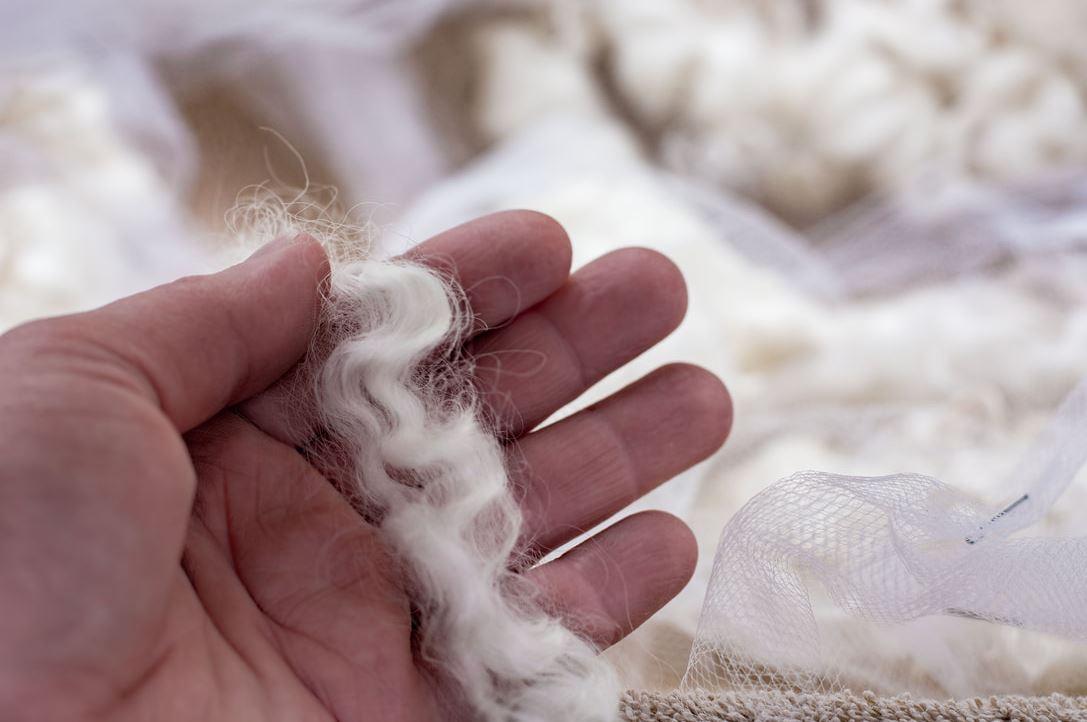
Wool is a natural and renewable resource and as long as our beloved sheep are eating our tasty green pastures they will always produce wool. Wool has amazing properties that make it ideal for many applications from home furnishings to underwear.
Cotton and synthetic fibres are currently the most commonly produced fibres globally, however, their performance and environmental benefits do not compare to wool.
From Wool to Yarn
The wool clip (the total yield of wool shorn during one season from the sheep) is sent to the scourers where it is cleaned and dried before being spun into yarn. The yarn is then sent to the textile manufacturer where many different processes are involved.
The yarn is wound onto dye cones to be dyed the required colours. Next the yarn is warped onto beams which are threaded through the loom, allowing the weft yarn to run across the warp and create a woven fabric.
The fabric is then inspected, washed, and dried. Very few chemicals are used in the processing, typically only water and heat.
Keep reading: www.curtainclean.co.nz...

Poll: Should we ditch daylight saving? 🕰️
First introduced in New Zealand in 1927 with the passing of the Summer Time Act, it's what we know as 'Daylight Saving' and this year it ends on the first Sunday in April.
While we do get to sleep in this time around, some people would like to scrap the clock tinkering for good.
And why? Some evidence suggests the time changes are bad for our health as they mess with sleep patterns leading to short-term fatigue and affecting mood. Meanwhile the hour change is frustrating for farmers and a nightmare for getting the littlies to sleep. But what's your take?

-
39.7% Yes - get rid of the clock changes
-
58.5% No, I enjoy it
-
1.8% Other - I'll share below


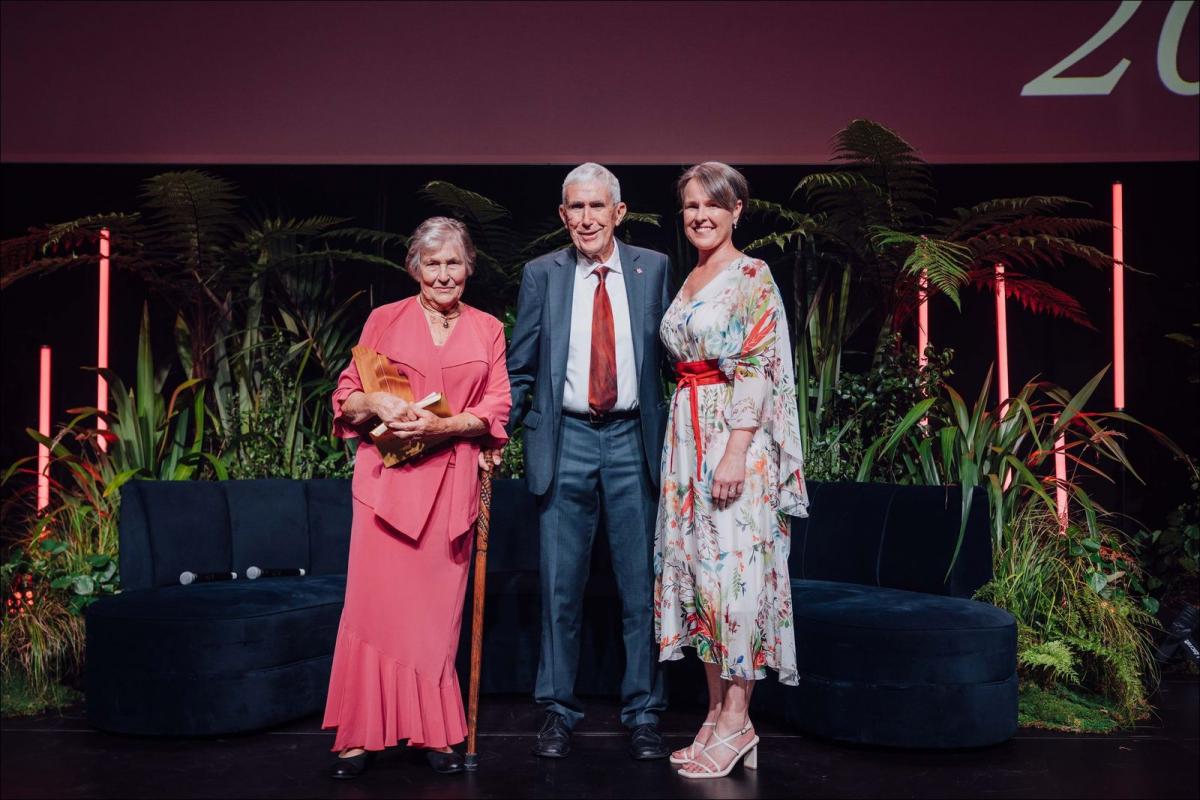
Alan and Hazel Kerr share Senior New Zealander of the Year Award 2026
Dr Alan and Hazel Kerr describe themselves as ‘just ordinary old Kiwis’, despite being named as the 2026 Ryman Healthcare Senior New Zealanders of the Year Te Mātāpuputu o te Tau.
The amazing couple prompted a standing ovation at a star-studded Auckland event which recognised their tireless efforts, with Alan travelling to and from Gaza and the West Bank 40 times to help children over 20 years, and Hazel travelling 20 times.
Click read more to find out more.
 Loading…