




The day fire engine-sized boulders smashed down onto a Queenstown road
As boulders the size of fire engines hurtled down the cliff towards him, Dunedin electrician Clive Kirkland knew it was matter of life or death.
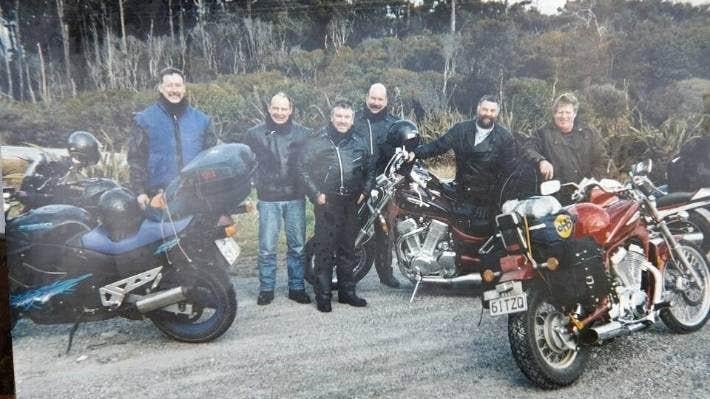
It was September 2000, and he was on the second day of a South Island motorbike tour with five mates.
They had spent the previous night in Queenstown and were heading towards Wānaka when they spotted rocks on the road below the towering Nevis Bluff, on State Highway 6.
They stopped to see what was happening and noticed rocks the size of footballs popping out of the cliff face above them.
“It was like someone would spit a berry fruit ... like they were under pressure. It was so amazing to see.”
Two of their group proceeded through the rocks while the rest decided to turn back.
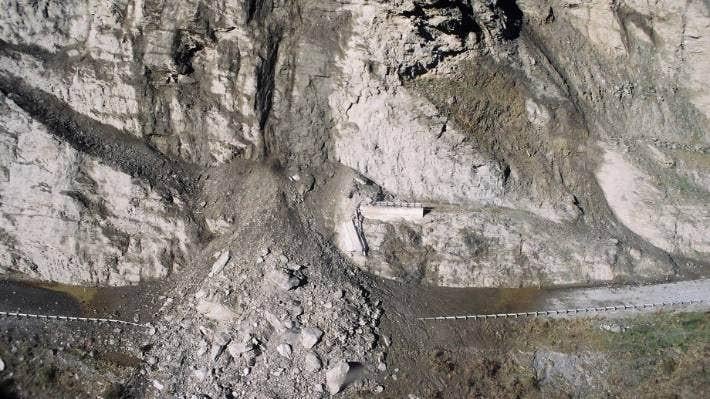
“Then all of a sudden it just opened up, and this big rock slip came pouring down on the road.”
The boom from the collapse was heard across surrounding vineyards and the dust cloud could be seen from 5 kilometres away.
Witnesses described the boulders as being as large as houses. Kirkland said they were the size of fire trucks.
“It was almost time to get off our bikes and run for our lives. It just happened so quick.
“It was life or death.”
When the slip stopped the rocks were piled so high that Kirkland and his friends could not see over them.
Ever since giant boulders fell in 2000, work has been ongoing to stabilise the Nevis Bluff.
“We were sitting there worried about our friends, then one of them came rock climbing over the top of the rocks and waves and says ‘we’re OK’.
“He shouldn’t have gone over there. He was a bit of an adventurer.”
Waka Kotahi estimated about 10,000 cubic metres of rock fell – about a third of a much larger fall in 1975.
After the fall in 2000, it took two weeks for the road between Queenstown and Cromwell to reopen and led to an ongoing monitoring regime, stabilisation work and controlled explosions.
In today’s dollar value, it has so far cost about $23 million to protect a road estimated to be used by nearly 5400 vehicles each day, pre-Covid-19.
A new $1 million project started on Tuesday to remove a massive section of rock from the bluff known as the Yates Feature (named after abseiler Ben Yates, a key member of the team mapping the unstable features on the Nevis Bluff after the 2000 rockfall).
It sits about 150m above the road at the Queenstown end of the bluff and is about 30m high, 20m wide, and weighs more than 4000 tonnes.
Waka Kotahi Central Otago senior network manager Robert Choveaux said movement and fresh cracking had been observed at the site since late last year and the team now wanted to stabilise the rock.
The schist was susceptible to freeze/thaw conditions in winter, rain, and dry, hot and windy conditions.
The goal now was to prevent an uncontrolled collapse.
The team would insert 100 rock bolts into the rock mass to stabilise it, rather than using explosives, which would be significantly disruptive to road users, Choveaux said.
“The majority of the work can be completed with the road remaining open to two lanes with minimal disruption to road users, but there will need to be closures as abseilers and drilling gear is set up and moved around the rock face.”
The work is expected to take 16 weeks to complete, subject to rock and weather conditions.
Kirkland, who has since retired and is now living in Wānaka, said he and his motorbike friends called the road past the Nevis Bluff the “Rock Slide Rumble.”
“Every time I go through, and I’ve been through quite a lot, I think about it.
“It really was life or death,” he said.


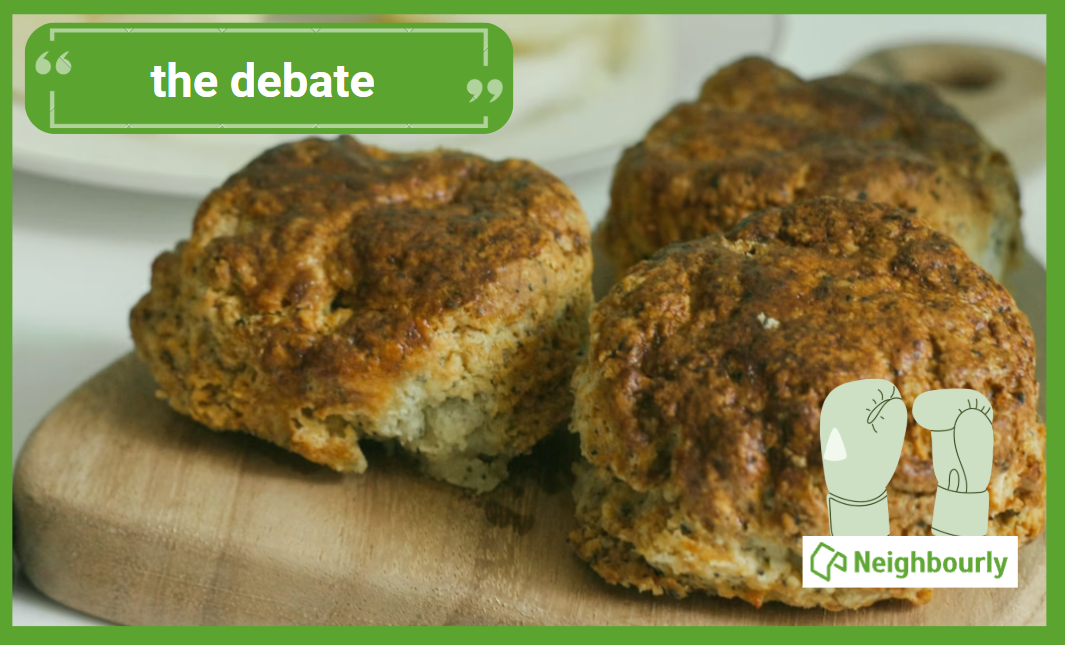
Poll: Does a savoury scone require cheese on top, or folded inside?
Help settle the great kiwi debate ... cheese on top, or folded inside?
-
76.3% Inside!
-
23.7% On top!
Got more greens than you know what to do with? 🥦🌱🥕
Whether it’s a courgette takeover or a feijoa frenzy, don’t let those garden gems go to waste!
Our suggestion to you: Did you know you can grate and freeze excess courgettes to use in chocolate cake later? It sounds a bit dodgy, but it makes the cake incredibly moist ... and hey, it counts as a serving of veg, right? 🍫
What’s your go-to move for a bumper harvest? Drop your best "glut" recipes or preservation hacks in the comments below! 👇


Get decorating with the Resene Sale !
20% off Resene premium paints, wood stains, primers & sealers and 20% off wallpaper and 20% off decorating accessories.
See your Resene Colorshop and bring out the best in your home.

 Loading…